
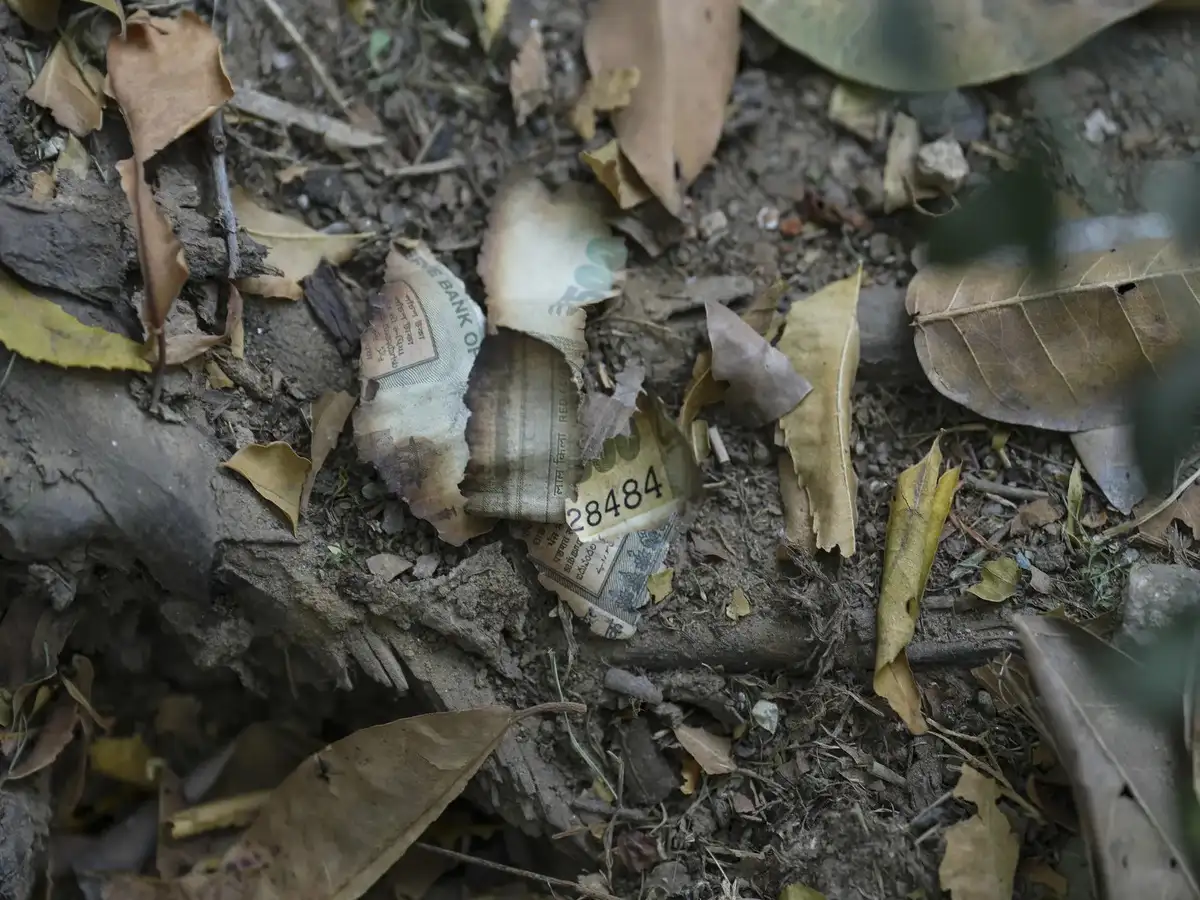
In a startling disclosure shaking the state’s welfare infrastructure, the prime accused in the multi-crore Kerala State Lottery Agents and Sellers Welfare Fund Board embezzlement case has confessed to burning currency notes worth approximately ₹6 crore. The incinerated cash, siphoned off over years, was reportedly destroyed in the wake of the 2016 demonetisation drive after the suspect found himself completely unable to exchange or circulate the banned denominations.
The revelation came to light during an intense round of questioning by the Vigilance and Anti-Corruption Bureau (VACB), which has since initiated forensic reviews at the suspect’s residence.
Registration Begins for FutureCrime Summit 2026, India’s Largest Cybercrime Conference
The Demonetisation Panic and Domestic Incineration
According to vigilance officials, the first accused in the case, Sangeeth—a former clerk of the welfare board—made the shocking claims after being taken back into law enforcement custody following a 100-day stint in prison. Sangeeth stated that prior to the central government’s sudden demonetisation announcement on November 8, 2016, he had systematically withdrawn embezzled board funds directly from banks in hard cash, predominantly accumulating ₹500 and ₹1,000 notes.
Left with an overwhelming volume of suddenly invalid paper currency and facing high detection risks if he attempted commercial bank exchanges, the accused claimed he had no choice but to destroy the evidence. He allegedly incinerated the entire pile inside a domestic waste incinerator located on the top floor of his house in Pongumoodu.
Anatomy of a Decade-Long Forgery Racket
The underlying corporate fraud probe indicates that Sangeeth allegedly orchestrated a highly calculated financial siphoning operation between 2012 and 2021, embezzling a total of ₹16 crore meant for the social security of low-income lottery sellers. Operating from his clerical position, the accused systematically forged the signatures of senior administrative board officials on financial documents.
Instead of transferring the monthly welfare dividends to legitimate beneficiaries, he manufactured fictitious data logs and withdrew the money in bulk cash directly from processing bank branches. The massive leak went undetected for nearly a decade until internal accounting alerts flagged highly irregular cross-account fund transfers routed directly into the personal banking profiles of Sangeeth’s immediate associates.
Forensic Audits Launched on Decade-Old Ash Samples
Following the dramatic confession, a specialized vigilance task force alongside state forensic experts descended upon the Pongumoodu property to execute a physical inspection. Teams actively collected sediment and ash residue samples from the domestic incinerator for chemical validation.
While investigators openly concede that securing pristine, conclusive chemical signatures of paper currency is statistically slim given that nearly a decade has elapsed, parallel banking documentation has already corroborated the narrative. Zonal bank logs confirmed that massive, unaccounted-for physical cash withdrawals in the now-defunct currency sets were executed by the suspect immediately leading up to the 2016 policy implementation.
Asset Freezes and Property Attachments
As investigators map out the remaining unrecovered proceeds of the ₹16 crore fraud, the VACB has severely tightened its asset recovery pipeline. Enforcement cells have officially attached 35 high-value immovable properties tied directly to the prime suspect and his primary co-accused, Anilkumar. The seized portfolio includes expansive land holdings, a luxury Toyota Fortuner, and multiple residential houses spread across the capital.
Furthermore, data analysts have exposed 45 distinct property registration files at the Kazhakoottam sub-registrar office suspected of being financed through the siphoned welfare capital, with multi-agency tracking actively continuing to locate secondary shell investments.
