

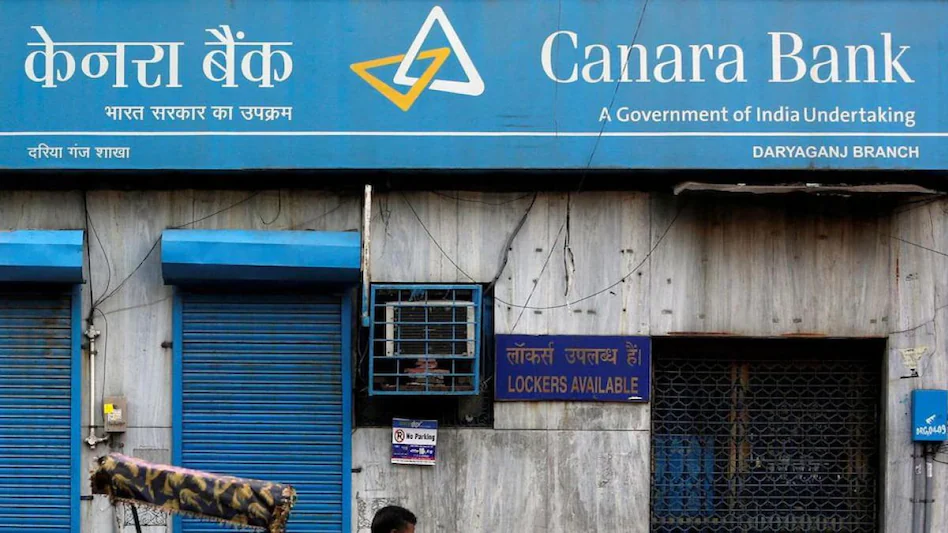
Mumbai: The Reserve Bank of India (RBI) has imposed a monetary penalty on Canara Bank over deficiencies in regulatory compliance, drawing attention once again to the importance of customer verification and adherence to banking norms. The action follows findings that the public sector lender failed to upload certain customer Know Your Customer (KYC) records to the Central KYC Records Registry (CKYCR) within the prescribed timeline and incorrectly classified some customer accounts.
Registry Deadlines and Supervisory Evaluations
According to the RBI, the irregularities were identified during a supervisory evaluation of the bank conducted with reference to its financial position as of March 31, 2025. The assessment revealed that Canara Bank had not uploaded KYC records of certain customers to the CKYCR within the timeframe mandated under regulatory guidelines. The centralised KYC system is designed to maintain customer identification records in a secure and standardised manner across the financial sector, helping strengthen transparency and risk management.
The regulator also found deficiencies in the manner certain accounts were classified. During the review, some accounts were marked as inoperative even though the last customer-induced transaction in those accounts had taken place less than one year earlier. Regulatory norms prescribe specific criteria for classifying accounts as inactive or inoperative, and deviations from these standards can affect customer service and compliance requirements.
Registration Begins for FutureCrime Summit 2026, India’s Largest Cybercrime Conference
Monetary Fines and Asset Classification Actions
Based on these findings, the RBI imposed a penalty of ₹1.8 lakh on Canara Bank. In a separate action, the central bank also levied a penalty of ₹3.1 lakh on Puran Associates for non-compliance with provisions related to asset classification guidelines. The RBI stated that both penalties were imposed solely on account of deficiencies in regulatory compliance.
The central bank emphasised that the penalties should not be interpreted as questioning the validity of any transaction, agreement, or arrangement entered into by the concerned entities with their customers. Instead, the action is intended to address shortcomings in compliance procedures and reinforce the importance of following regulatory requirements.
Verification Controls and Financial Crime Safeguards
Banking experts note that KYC compliance is one of the most critical safeguards against financial crimes such as money laundering, identity fraud, and the misuse of banking channels. Timely updating and maintenance of customer records enable financial institutions to monitor transactions effectively and ensure that regulatory obligations are met. Any delay or lapse in these processes can weaken risk controls and oversight mechanisms.
The latest action also reflects the RBI’s continued focus on strengthening governance and compliance standards across the banking sector. In recent years, the regulator has taken similar measures against several banks and financial institutions for shortcomings in operational controls, customer due diligence, and reporting requirements. Such actions are viewed as part of broader efforts to enhance transparency, accountability, and operational discipline within the financial system.
Digital Integration Pressures and Corrective Audits
Industry observers believe that as banking services become increasingly digital, compliance with KYC norms and customer verification procedures has become more important than ever. The growing use of online banking, digital payments, and remote account-opening facilities has increased the need for accurate customer identification and robust record management systems.
Financial sector analysts also point out that regulatory actions of this nature serve as a reminder to institutions that compliance frameworks must evolve alongside technological and operational changes. Maintaining strong internal controls and ensuring adherence to regulatory standards are essential not only for avoiding penalties but also for preserving customer trust and institutional credibility.
For customers and investors, the RBI’s decision signals that regulatory authorities continue to closely monitor banking operations and compliance practices. Experts believe that such oversight ultimately contributes to a more secure and reliable banking environment by encouraging institutions to strengthen internal systems and address procedural weaknesses before they develop into larger risks.
The RBI’s action is therefore being viewed primarily as a regulatory corrective measure aimed at reinforcing compliance standards and promoting stronger governance practices across the banking sector. As financial institutions continue to modernise their operations, adherence to KYC and regulatory requirements is expected to remain a key focus area for both banks and regulators.
