
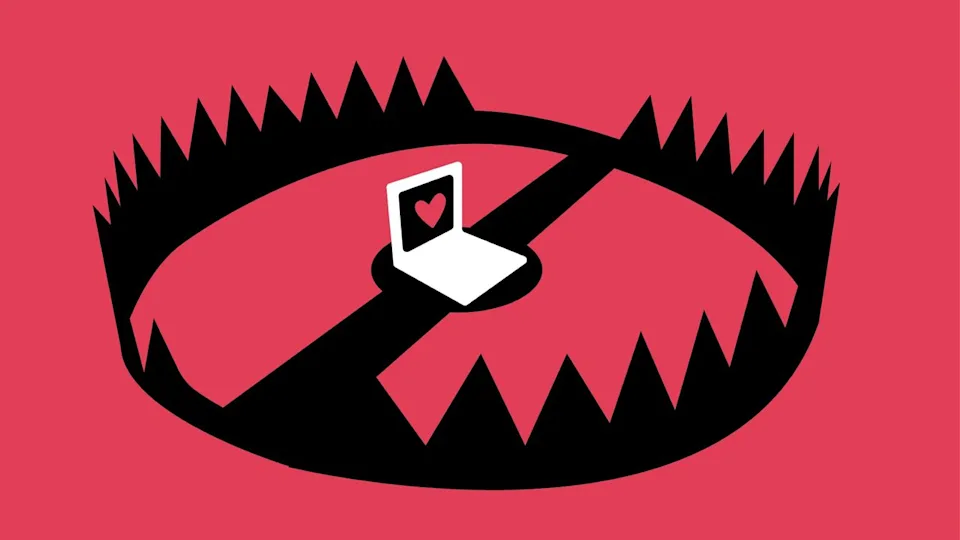
With the rapid rise in the use of online dating and matrimonial apps in India, cases of cyber fraud linked to these platforms are also increasing sharply. While digital platforms have made it easier for people to connect and form relationships, cybercriminals are exploiting the same ecosystem to trap users through emotionally manipulative scams. In recent years, authorities have witnessed a significant surge in such cases, where individuals have lost lakhs of rupees in the name of love, marriage, or friendship.
Experts say fraudsters first create fake profiles to build trust and gradually establish an emotional bond with their targets. In several cases, accused individuals pose as doctors, army officers, businessmen, or Non-Resident Indians (NRIs) to appear credible and trustworthy. Once the emotional connection is strengthened, they begin demanding money under various pretexts such as investment opportunities, urgent emergencies, or financial distress, eventually leading to fraud.
Registration Begins for FutureCrime Summit 2026, India’s Largest Cybercrime Conference
Modus operandi: money, blackmail and exploitation
Investigations have revealed that these scams are not limited to financial cheating alone but often extend to blackmailing and digital exploitation. In some reported incidents, victims were allegedly called to meet in person and were even subjected to situations involving sedatives or coercion. Cybercriminal networks involved in such cases primarily rely on social engineering techniques to exploit human emotions and trust rather than technical hacking.
Cybersecurity experts describe this as one of the most dangerous forms of fraud because victims become emotionally involved before they are financially exploited. Once trust is established, individuals often transfer money without verification, making it easier for scammers to carry out their operations.
Reporting channels and immediate steps
Government agencies have strengthened digital grievance mechanisms to deal with such crimes. Victims of dating or matrimonial app fraud can file complaints through the National Cyber Crime Reporting Portal. The process requires users to log in using their mobile number and an OTP, after which they must submit detailed information about the incident, including chat records, screenshots, bank transaction details, and profile evidence.
Authorities emphasize that it is crucial to save the reference number generated after filing a complaint, as it helps in tracking the case during investigation. In cases where money has already been transferred, individuals are advised to immediately contact the cyber helpline number 1930, which increases the chances of freezing fraudulent transactions before the funds are withdrawn.
Prevention tips and technology threats
Experts stress that awareness and caution are the most effective defenses against such scams. Users are advised not to trust unknown profiles easily, verify identities through video calls, and never share OTPs, bank details, or personal financial information with strangers.
Additional warnings include being cautious of requests involving foreign parcels, expensive gifts, or emergency situations demanding urgent money transfers. Authorities also recommend using only verified platforms and discussing suspicious interactions with trusted family members or friends to avoid falling into traps.
Cybersecurity specialists point out that identifying fake profiles has become increasingly difficult due to the use of advanced technologies by scammers. Artificial intelligence tools, deepfake images, and photo manipulation techniques are now being used to create highly realistic fake identities that can easily deceive users.
According to renowned cybercrime expert and former IPS officer Prof. Triveni Singh, such dating frauds are not merely financial crimes but structured psychological manipulation-based cyber offenses. He stated that avoiding impulsive decisions in online relationships, verifying digital identities carefully, and thoroughly checking any financial request are the most effective ways to prevent falling victim to such scams.
