

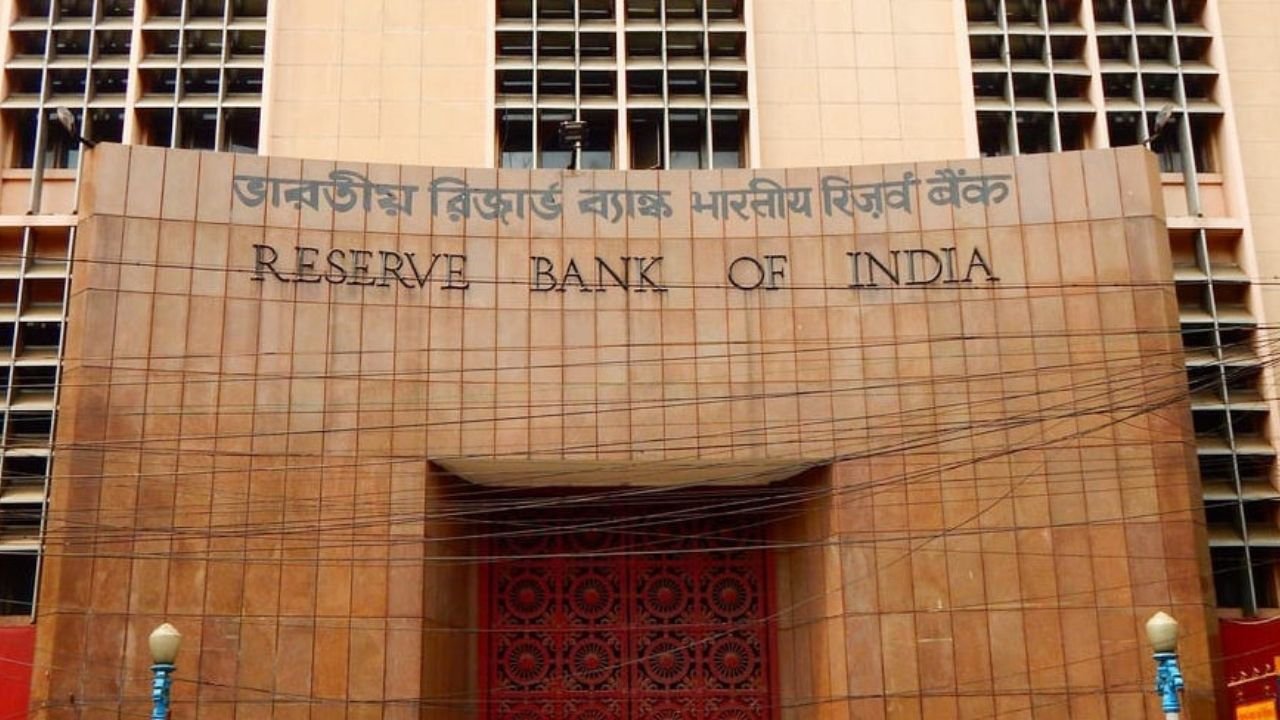

New Delhi | The Reserve Bank of India (RBI) has taken another major regulatory action in the co-operative banking sector by cancelling the banking licence of Mumbai-based Sarvodaya Commercial Co-operative Bank Ltd. According to the RBI order issued on May 12, 2026, the bank will no longer be allowed to carry out any banking operations after the close of business on May 12. The central bank has also directed the Maharashtra Commissioner for Co-operation and the Registrar of Co-operative Societies to wind up the bank and appoint a liquidator.
The decision has sparked concern among thousands of account holders and small businesses, as the bank operated branches across several cities in Gujarat and Maharashtra. The bank will now neither accept fresh deposits nor repay existing deposits to customers. RBI said the action was taken in the interest of protecting depositors and maintaining public confidence in the financial system.
Registration Begins for FutureCrime Summit 2026, India’s Largest Cybercrime Conference
In its order, the central bank stated that the bank no longer had adequate capital and its earning prospects had become severely weak. RBI said the bank had failed to comply with several important provisions of the Banking Regulation Act, 1949. In particular, it was unable to meet the mandatory financial requirements under Section 11(1) and Section 22(3). According to the regulator, the bank was not in a position to repay its present depositors in full, and allowing it to continue operations would have seriously endangered public interest and depositor funds.
However, RBI also shared some relief for smaller depositors. Customers of the bank will be eligible to receive deposit insurance coverage of up to ₹5 lakh through the Deposit Insurance and Credit Guarantee Corporation (DICGC). The insurance protection covers savings accounts, current accounts, fixed deposits and recurring deposits. RBI said nearly 98.36 percent of the bank’s depositors fall within the ₹5 lakh insured limit and are therefore likely to recover their full deposits.
On the other hand, customers with deposits exceeding ₹5 lakh may have to wait until the liquidation process is completed to recover the remaining amount. In such cases, repayment will depend on the sale of the bank’s assets, loan recoveries and settlement of liabilities. Financial experts say liquidation proceedings in such cases can often take considerable time.
RBI further revealed that as of March 31, 2026, DICGC had already paid nearly ₹26.72 crore towards insured deposits. This indicates that the bank’s financial condition had been under stress for quite some time and that regulatory authorities had already initiated resolution measures.
The bank’s branch network was concentrated mainly in Gujarat and Maharashtra, with key operations in Mehsana, Surat, Ahmedabad and Mumbai. A significant number of local traders, small businesses and middle-income customers depended on the bank for day-to-day financial transactions. Industry observers believe the licence cancellation could have a noticeable impact on local business activity in these regions.
Over the past few years, RBI has significantly tightened oversight of co-operative banks. Capital shortages, poor loan management, governance failures and rising non-performing assets have emerged as major concerns in several small and mid-sized co-operative banks. Experts believe the regulator is now following a stricter and faster enforcement policy to ensure depositor protection and preserve trust in the banking system.
According to banking and financial sector analysts, the latest action once again highlights the importance of evaluating a bank’s financial strength and regulatory track record rather than relying solely on attractive interest rates. RBI has maintained that no bank can be allowed to continue operations merely because of its long-standing presence or local network if it fails to ensure the safety of depositors’ money.
