

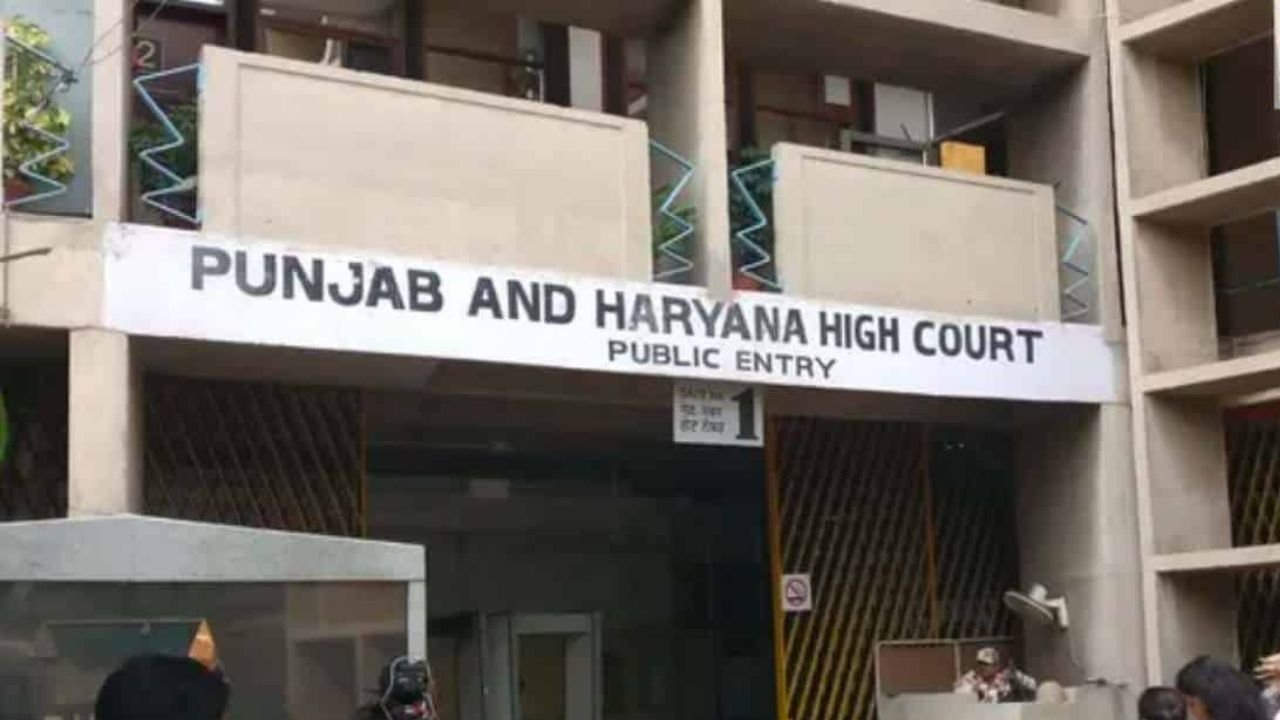

Chandigarh | The Punjab and Haryana High Court has refused to grant anticipatory bail to businessman Kuldeep Goyal in an alleged ₹35 crore fake Input Tax Credit (ITC) fraud case under the GST regime. The court observed that the matter goes far beyond mere documentary irregularities and involves a serious economic offence allegedly executed through a structured network of fake invoices and shell entities, resulting in significant loss to the public exchequer.
The case is linked to M/s Ansh Steel Alloys, a firm accused of fraudulently availing ITC worth nearly ₹35 crore during the financial years 2019–20, 2020–21, and 2021–22 without actual supply of goods or services. According to investigating agencies, the firm allegedly claimed credit on the basis of invoices issued by entities that were either later cancelled or found to be non-existent.
FCRF Academy Launches Premier Anti-Money Laundering Certification Program
During the investigation, the tax authorities reportedly found that the firm had received invoices from suspected bogus suppliers, with no supporting evidence of actual movement of goods. Based on these documents, substantial ITC claims were made, allegedly causing wrongful loss to government revenue. Officials further noted that multiple transactions followed a similar pattern, strengthening suspicions of an organized fraud network operating behind the scenes.
Search operations conducted by the department led to the seizure of electronic devices, financial documents, and digital records. Preliminary analysis of the seized material reportedly indicated attempts to conceal transactions through layered entities and digital channels, pointing towards a coordinated mechanism designed to evade tax scrutiny.
The petitioner, Kuldeep Goyal, argued before the court that the allegations were purely documentary in nature and did not warrant custodial interrogation. He contended that most of the relevant records were already in the possession of the authorities and that he had been cooperating with the investigation. It was further submitted that since similar proceedings were already pending at different stages, custodial detention was not justified and anticipatory bail should be granted.
However, the tax department strongly opposed the plea. It informed the court that the accused had repeatedly avoided investigation and failed to appear despite multiple summons issued under the GST law. The department maintained that the alleged fraud involved a network of fake invoices and shell companies, and custodial interrogation was essential to uncover the full extent of the scam and identify all involved parties.
During the hearing, the High Court referred to several Supreme Court rulings and reiterated that economic offences have a far-reaching impact on the financial system and cannot be treated lightly. The court observed that such offences are not confined to individual gain but directly affect public revenue and economic stability.
It further noted that investigations in the present case were still at a nascent stage, and the role of the accused required deeper examination. The court also observed that under Sections 69 and 70 of the CGST Act, authorities are empowered to arrest and summon individuals when there is reason to believe that serious tax offences have been committed.
The court held that granting anticipatory bail at this stage could potentially hamper the investigation, including the possibility of evidence tampering or obstruction of inquiry. It emphasized that custodial interrogation may be necessary to effectively unravel the alleged fraud.
Ultimately, the High Court dismissed the anticipatory bail plea, stating that the allegations were serious in nature and required thorough investigation without interference. The court clarified that its observations were limited to the bail application and would not influence the merits of the ongoing proceedings.
The ruling comes amid rising concerns over fake ITC frauds and the increasing misuse of shell companies within the GST framework. Legal experts believe the decision reinforces the judiciary’s strict stance on tax evasion and highlights the need for stronger enforcement mechanisms to ensure transparency in the taxation system.
