
In a fresh reminder of rising cybercrime incidents, Ranchi police have registered two separate cases involving fraud through electricity bill update scams and misuse of a stolen mobile phone. In both incidents, cybercriminals allegedly siphoned off a total of ₹2.25 lakh from victims’ bank accounts using digital manipulation techniques.
The cases have been registered at the Cyber Police Station, where investigators have begun tracing digital footprints, bank transactions, and communication records linked to the fraudsters. Officials said both cases involve different methods but point toward a growing pattern of organized cyber fraud operating in the region.
FCRF Academy Launches Premier Anti-Money Laundering Certification Program
Electricity‑Bill APK Spyware Scam
In the first case, a resident of Hinoo, identified as Shiv Prasad, reported that he received a call from an unknown number claiming to be associated with the electricity department. The caller allegedly told him that his electricity bill required urgent updating and that failure to comply could lead to disconnection.
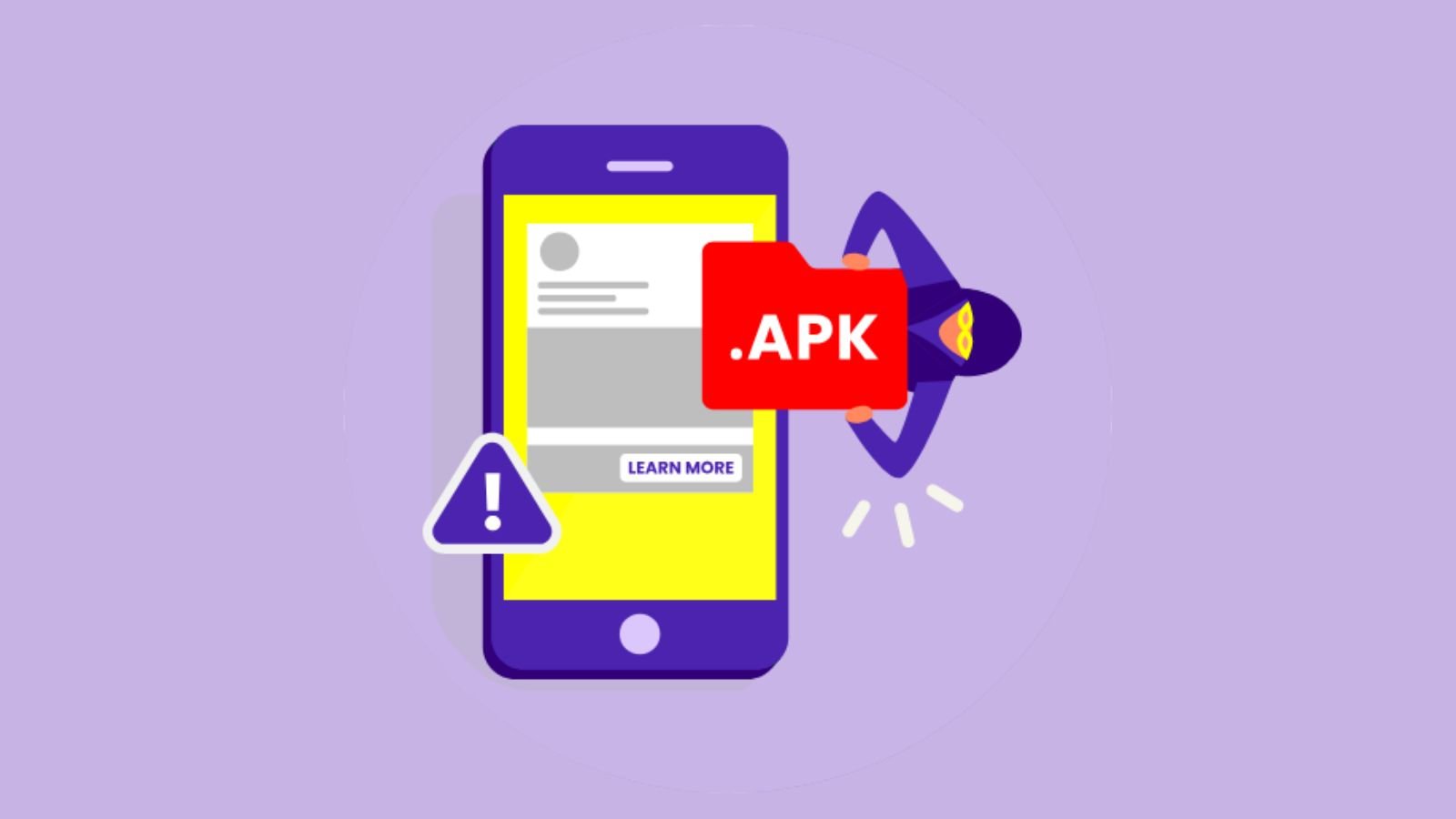
According to the complaint, the victim was then sent a WhatsApp message containing an APK file. He was instructed to install it for “verification purposes.” As soon as the file was opened and installed, the fraudsters allegedly gained unauthorized access to his phone and banking details.
Shortly afterward, two unauthorized transactions were carried out from his State Bank of India account, amounting to ₹49,000 and ₹15,000 respectively. The victim realized the fraud when he received bank alerts confirming the deductions. Cyber police believe the APK file acted as spyware, enabling remote access to sensitive financial data.
Stolen‑Phone‑Linked UPI Fraud
In a separate case, a resident of Ratu area named Bimal Oraon reported a different form of cyber fraud linked to mobile theft. According to the complaint, his mobile phone was stolen, and the SIM card and stored personal data were subsequently misused by criminals.
Investigators said the stolen device was used to access the victim’s Bank of Baroda account, where multiple unauthorized UPI transactions were carried out. A total of ₹1.61 lakh was transferred to unknown accounts without the victim’s consent.
The complainant stated that he had never actively used UPI services, raising suspicion that the fraudsters exploited stored credentials or linked mobile authentication systems to gain access to his account. Cyber experts believe that SIM-based verification and OTP interception may have played a role in the fraud.
Cyber‑Cell Probe, Warnings, and Public Awareness
Police officials said both cases highlight two major vulnerabilities currently being exploited by cybercriminals—fake utility service calls using malicious links and misuse of stolen mobile devices. Investigators are now working to identify the mule accounts where the stolen funds were transferred.
A senior officer from the cyber cell stated that digital forensic analysis is underway, including examination of IP addresses, device logs, and transaction trails. Authorities are also coordinating with banks to freeze suspicious accounts and prevent further fund movement.
Cyber experts warn that APK-based attacks are becoming increasingly common, where users are tricked into installing harmful applications that silently access personal data, SMS logs, and banking apps. Once installed, these applications can bypass basic security checks and allow remote financial transactions.
Officials have once again advised citizens not to install any unknown application sent via SMS or messaging platforms, even if it appears to be from official departments. They also emphasized that electricity boards or government agencies do not request updates through third-party apps or links.
Police have urged the public to immediately report suspicious calls, messages, or financial alerts to cyber helplines. They also stated that awareness is the strongest defense against such evolving digital fraud techniques.
The investigation in both cases is ongoing, and authorities believe that more victims may be identified as the probe into the cyber network expands.
Follow for daily updates on cybercrime, corporate fraud, DFIR, hacking, investigations, and digital forensics
