
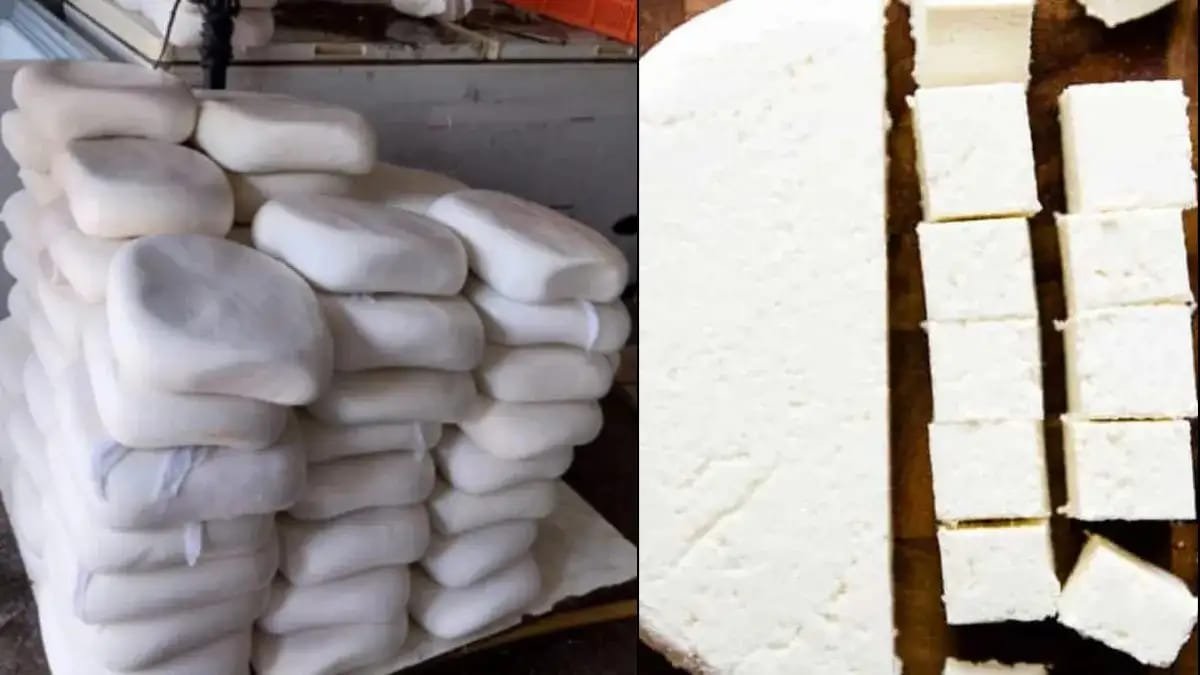
New Delhi: The government is preparing to take strict action against the rapidly growing market of synthetic or “artificial paneer” across the country. A proposal to completely ban the sale of such products—often sold as a cheaper substitute for real paneer—has been approved and may be implemented soon. The move comes amid rising concerns over poor nutritional value and potential health risks associated with these products.
According to official sources, a high-level committee constituted to examine the issue had submitted its report in October 2025. The proposal received formal approval in a meeting held in March 2026. The implementation process is now in its final stages, and an official announcement is expected shortly.
FCRF Academy Launches Premier Anti-Money Laundering Certification Program
Synthetic paneer in the market
In recent years, the sale of artificial paneer has increased significantly. These products are typically made using ingredients such as palm oil, milk powder, starch, and emulsifiers. While they closely resemble real paneer in appearance and texture, they lack the same nutritional quality, making it difficult for consumers to distinguish between the two.
Due to its lower cost, synthetic paneer has found widespread use in roadside eateries, small restaurants, and budget food outlets. As a result, many consumers unknowingly consume these imitation products assuming them to be genuine dairy items.
Price gap driving higher consumption
Officials highlight a significant price difference between real and artificial paneer. Branded, genuine paneer can cost around ₹450 per kilogram, whereas synthetic or unbranded variants are available for ₹250–₹300 per kilogram. This price disparity has contributed to a surge in demand.
The lower production cost and higher profit margins have attracted several businesses toward manufacturing and selling such products, leading to their growing presence in the market.Health experts have expressed serious concerns over the consumption of artificial paneer. They point out that such products contain very low protein levels and high fat content, which can adversely affect health if consumed regularly.
Experts warn that frequent consumption may lead to insulin resistance, potentially increasing the risk of Type 2 diabetes. Additionally, long-term intake could contribute to cardiovascular issues and other metabolic disorders.
Impact on the dairy sector
Despite India being the world’s largest producer of dairy, the increasing presence of synthetic paneer is posing a challenge to the traditional dairy industry. It not only misleads consumers but also affects the demand for genuine dairy products.
Market research estimates place India’s paneer market at around $10.8 billion currently, with projections suggesting growth to $22.1 billion by 2033. The proliferation of imitation products could hinder this growth trajectory.
Phased implementation of the ban
Instead of imposing an immediate blanket ban, the government is planning a phased withdrawal of artificial paneer from the market. Sources indicate that nearly 1,000 licensed manufacturers and traders are currently involved in producing such products. No new licenses will be issued. Existing producers will be given time to clear their stock. Production will be gradually discontinued. The government believes that this move is essential to protect consumer health and ensure transparency in the food market. The lack of clear distinction between real and synthetic products has been misleading buyers, often without their knowledge.
Follow for daily updates on cybercrime, corporate fraud, DFIR, hacking, investigations, and digital forensics
