
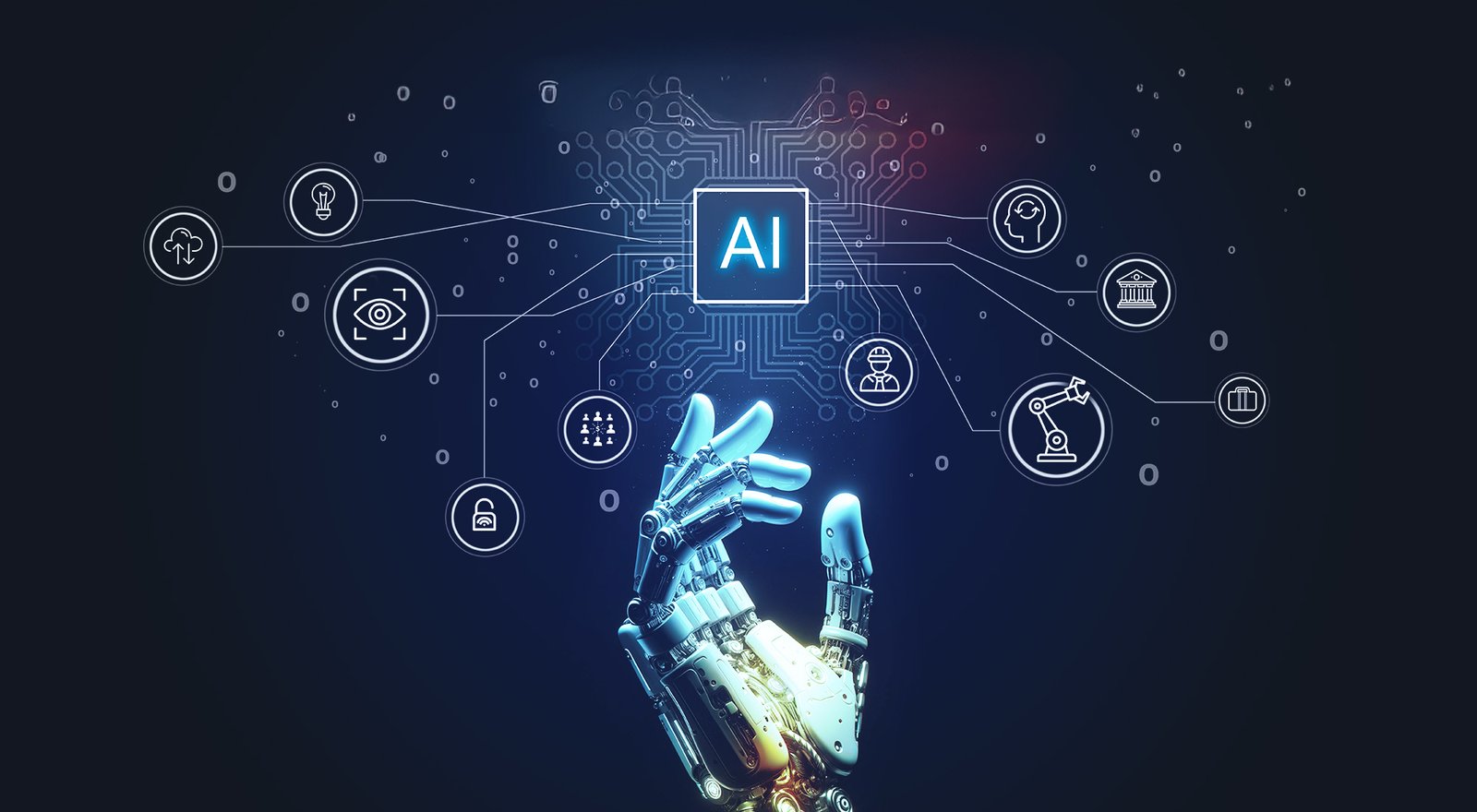
Artificial intelligence (AI) is no longer confined to the technology or commercial sectors; it has now firmly entered the most sensitive layers of national security and military operations. The United States Department of Defense (Pentagon) on Friday announced a major agreement with eight leading technology companies, including Google, OpenAI, Microsoft, Amazon Web Services, Nvidia, Oracle, SpaceX, and Reflection, to deploy advanced AI systems on classified military networks.
Under this agreement, AI technologies developed by these companies will operate within highly secure Pentagon environments, including Impact Level 6 and Impact Level 7 systems. IL6 handles secret-level classified data, while IL7 is reserved for even more sensitive intelligence and national security information requiring the highest security protocols.
The Pentagon described the initiative as a decisive step toward an “AI-first transformation” of the US military. According to the defense department, these systems are expected to enhance battlefield decision-making, accelerate data analysis, and improve real-time situational awareness across multiple operational domains.
FCRF Academy Launches Premier Anti-Money Laundering Certification Program
Multi‑Provider AI Ecosystem and GenAI.mil
The initiative builds on the Pentagon’s existing AI infrastructure, particularly the GenAI.mil platform, launched in late 2025. Reports suggest that more than 1.3 million military personnel have already used the system, generating millions of AI prompts and deploying hundreds of thousands of AI agents for operational tasks within just a few months.
Officials stated that the new framework will not depend on a single vendor. Instead, it will function as a multi-provider AI ecosystem, designed to reduce technological risk and improve resilience through competition among leading AI developers. However, the financial details of these agreements have not been disclosed.
An OpenAI spokesperson welcomed the move, stating that the deployment of AI in defense systems ensures that military forces have access to world-class technological tools, ultimately strengthening mission effectiveness and decision-making capabilities. Similarly, Amazon Web Services confirmed its continued support for US defense modernization efforts and emphasized its long-standing role in providing secure cloud infrastructure to government agencies.
Concerns Over Transparency, Accountability, and Risk
Despite the technological progress, the expansion of AI into classified military systems has raised significant concerns among experts. Digital rights and cybersecurity specialists have warned that the integration of AI into sensitive defense environments could increase risks related to transparency, accountability, and unintended automated decision-making.
A representative from the Center for Democracy and Technology noted that a key unanswered question is how control over AI-generated decisions will be maintained, and how governments will ensure that algorithmic errors do not result in real-world harm or unintended escalation in conflict scenarios.
The Pentagon’s announcement comes at a time when AI is already being integrated into military simulation systems, intelligence analysis, and operational planning tools. Previous collaborations with companies such as OpenAI and Google have already laid the foundation for deeper AI involvement in defense operations.
SpaceX, Nvidia, and Google have not yet issued any official statements regarding the latest agreement.
Experts believe this development marks a significant shift in global military strategy, signaling the beginning of an era where artificial intelligence is not just a supporting tool but a core component of strategic decision-making and defense infrastructure worldwide.
