

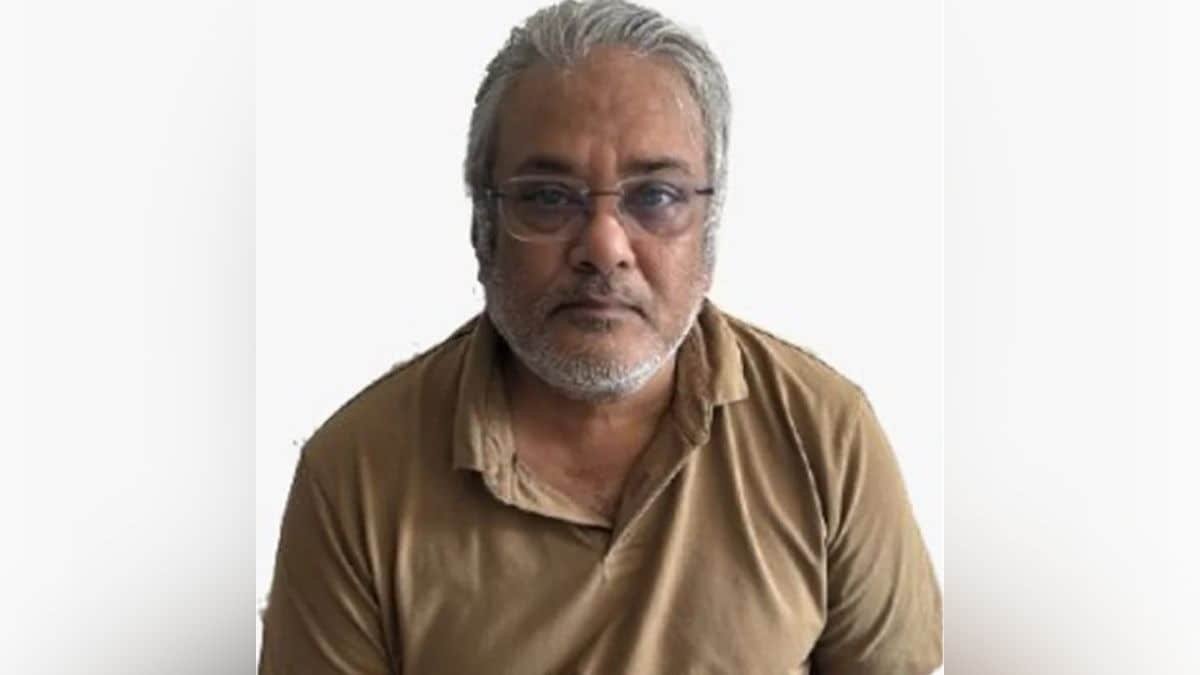

The arrest of Salim Dola has sent a fresh jolt through an underworld-linked drug trade network long associated with Dawood Ibrahim. Dola, who is believed to have controlled a drug empire worth nearly ₹5,000 crore, was detained in Turkey in a coordinated operation involving the country’s National Intelligence Organisation and local police units.
His name has long been on the radar of Indian security agencies, especially because of his alleged role in a transnational narcotics pipeline. Officials say his arrest is being seen as a major breakthrough in efforts to weaken the wider Dawood syndicate, which has faced pressure from multiple international crackdowns.
Dola was detained after an Interpol Red Corner Notice was issued against him at the request of India’s Central Bureau of Investigation. Mumbai police had also been pursuing him for years in several narcotics smuggling cases. Security officials describe the arrest as not just the capture of one man, but a disruption of a deeper network that stretches across several countries.
The Rise of Salim Dola
Salim Dola’s journey into the underworld began in Mumbai, where he was born in 1966. Over time, he became closely associated with Dawood Ibrahim’s network and worked alongside Chhota Shakeel, one of Dawood’s most trusted aides.
His early criminal activities were described as relatively small, starting with the supply of gutkha and later moving into marijuana trafficking. Over the years, his operations allegedly expanded into synthetic drugs and large-scale international smuggling.
FCRF Academy Launches Premier Anti-Money Laundering Certification Program
In 2012, Dola was arrested by the Narcotics Control Bureau after 80 grams of marijuana were found with him. He spent five years in jail but was later acquitted. After his release, his activities reportedly became more dangerous. He is said to have built a manufacturing setup for a synthetic drug known as “Button,” which is linked to fentanyl production.
In 2018, he was arrested again in Mumbai’s Santa Cruz area after authorities seized 100 kg of fentanyl. However, that case weakened when forensic reports later showed negative results for the tested samples. He was released on bail after four months and, during this period, left India and fled to the UAE.
Drug Cartels, Terror Funding and a Wider Global Network
Officials now say Dola, along with his son and close associates, helped run a synthetic drug network spread across multiple countries. Several laboratories and production units were allegedly set up in India as part of this system.
The arrest is not being viewed in isolation. Across India, agencies are running a large-scale crackdown on drug cartels operating at an international level, including networks linked to Pakistan, Myanmar and Mexico.
Officials say the Dawood-linked syndicate is of special concern because of its financial connection to terror activities. Intelligence inputs suggest money earned through narcotics smuggling is used to fund extremist groups operating from Pakistan.
One official said the ISI allegedly receives nearly 40% of the earnings from each transaction handled by the syndicate. This money flow, officials say, is a critical part of how drug profits are converted into terror financing.
The Intelligence Bureau has also warned that weakening Dola’s network will directly affect operations in major Indian cities such as Mumbai, Gujarat and Delhi. His role in managing funds and coordinating transnational shipments made him a key figure in the structure.
Extradition Challenge After Turkey Arrest
Even as celebrations began in security circles, the real challenge now is bringing Salim Dola back to India. India does not have an extradition treaty with Turkey, making the legal process complicated and slow.
Officials say the first step will likely involve moving him to the United Arab Emirates, because Dola holds a UAE passport. Once he is in UAE custody, India is expected to coordinate with UAE authorities to secure his extradition.
Officials involved in the case have expressed confidence that the process will succeed. They point to earlier operations where key members of the same network were brought back through UAE cooperation.
Dola’s family connections also play into this extradition strategy. His son, Taher Dola, was detained in the UAE during a joint operation by local authorities and Interpol. He was later extradited to India in June 2025. In another related case, Salim Mohammed Sohail Shaikh, described as a close aide of Dola, was arrested in Dubai and also sent back to India.
Officials also highlight a wider pattern in which drug cartels in Myanmar are linked to insurgent groups in India’s northeast, while Pakistan-based networks support terror activities elsewhere. They describe narcotics trafficking and terrorism as deeply connected systems that fuel each other.
Follow for daily updates on cybercrime, corporate fraud, DFIR, hacking, investigations, and digital forensics
