
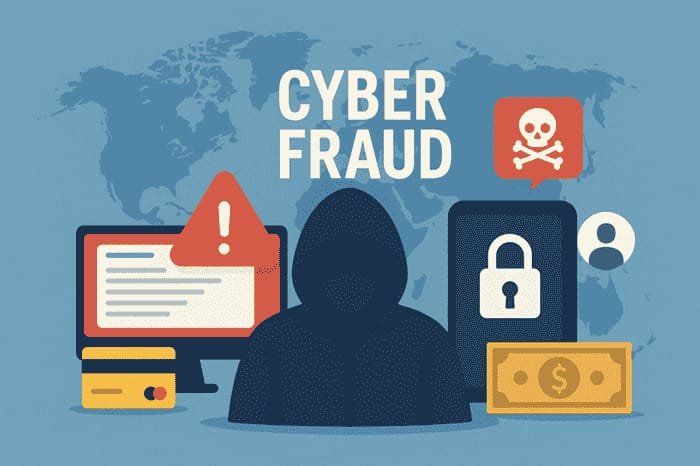
Mumbai: A case of cyber fraud involving social media shopping scams has once again come to light, where a Mumbai-based nurse lost nearly ₹1 lakh after attempting to purchase a dress advertised for just ₹299 on Facebook.
According to information, the victim, who resides in a hostel, came across an attractive low-cost dress advertisement on Facebook. Tempted by the offer, she decided to place an order and made an initial payment. Shortly after, fraudsters began communicating with her via WhatsApp, posing as representatives of a fake delivery system.
FCRF Academy Launches Premier Anti-Money Laundering Certification Program
Small Payment Trap Escalates Over Five Days
Investigations suggest that the entire fraud followed a well-structured pattern designed to build trust gradually. Initially, only a small amount was collected to gain confidence. Later, the scammers repeatedly demanded additional payments under various pretexts such as “delivery charges,” “tracking fees,” and “address verification charges.” The victim was assured that all extra payments would be refunded along with the delivery.
Over a period of nearly five days, the victim transferred money in multiple installments, ultimately losing close to ₹1 lakh. The fraud came to light only when the product was never delivered and all communication suddenly stopped. She then approached the cyber crime helpline and lodged a formal complaint.
Fake Delivery System Used to Maintain Trust
Officials stated that cyber criminals frequently use social media platforms to create fake advertisements that appear highly attractive and time-sensitive. These posts are designed to push users into making quick payments without verification. Continuous communication through WhatsApp or calls is used to maintain trust and prevent suspicion.
Cybersecurity experts describe this as a “small amount trap scam,” where victims are initially charged a nominal fee and later subjected to repeated demands for additional payments under different excuses. Experts believe that victims often continue paying, assuming the order will eventually be fulfilled and the product delivered.
Investigating officers revealed that the scammers had developed a fake delivery ecosystem that included professionally designed messages, tracking links, and counterfeit customer support systems. The setup closely resembled a legitimate e-commerce platform, making it difficult for the victim to identify the fraud in the early stages.
Experts Warn Against Unrealistic Social Media Offers
With cyber fraud cases rising rapidly, experts have warned that unusually cheap offers on social media are often part of organised scams. They emphasised the importance of verifying the authenticity of websites, sellers, and payment requests before making any online purchases.
Authorities have urged the public to avoid trusting unknown links, social media advertisements, or WhatsApp offers without proper verification. Users are advised not to make advance payments without confirming the legitimacy of the seller or platform. In case of any suspicious activity, citizens should immediately report it to the cyber crime helpline.
This incident once again highlights how digital platforms, while offering convenience, can also become tools for financial exploitation. Experts stress that greed and haste often play a key role in such scams, where victims are lured by unrealistic discounts and later trapped in escalating payment demands.
