
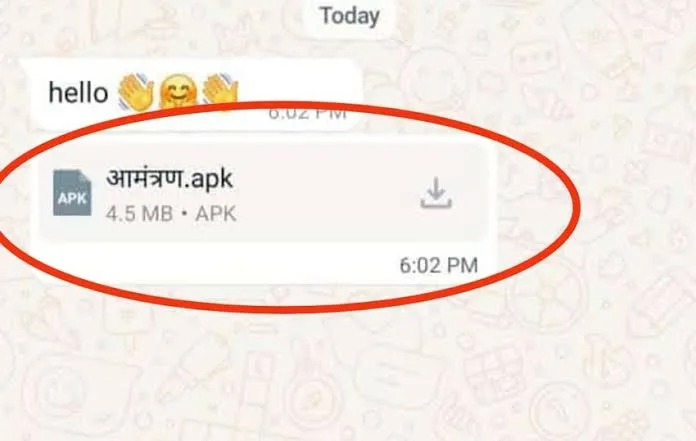
Rajasthan Police has issued a public advisory warning citizens about a growing cyber fraud trend in which scammers are using fake wedding invitations sent via WhatsApp to steal personal and financial data. The fraud involves malicious links and Android application files (APK) disguised as digital wedding cards, which can compromise mobile devices and lead to banking fraud.
Authorities have urged people to remain vigilant during the ongoing wedding season, when such scams are becoming increasingly common.
Cybercriminals Exploiting Wedding Season Sentiment
According to cybercrime officials, fraudsters are taking advantage of the high volume of wedding-related communication during the season. They send fake digital invitations through WhatsApp, often from unknown numbers or even compromised contacts.
These messages may appear legitimate, encouraging users to click on links or download files labeled as wedding invitations. Once accessed, these files can secretly install malicious software on the device or redirect users to phishing websites designed to steal sensitive information.
Police have highlighted that this method is increasingly being used to target unsuspecting users who are more likely to open invitation messages without verification.
FCRF Academy Launches Premier Anti-Money Laundering Certification Program
APK Files Used To Hijack Mobile Devices
A key concern raised by authorities is the use of APK files disguised as wedding invitations. These files are often named in a way that makes them appear harmless, such as “marriage invitation” or similar titles.
Once installed, the malware can gain access to mobile data, including SMS messages, contacts, and banking applications. In some cases, it can intercept OTPs and passwords, enabling criminals to carry out unauthorized financial transactions.
Officials have clearly warned that any file ending with “.apk” received through messaging platforms should not be downloaded or installed, as it is not a legitimate invitation format.
Phishing Links And Data Theft Techniques
In addition to APK files, cybercriminals are also using phishing links embedded in fake wedding invites. These links may ask users to enter personal details, including mobile numbers and banking credentials, or silently install harmful software in the background.
In some reported cases, scammers have also hacked WhatsApp accounts of known contacts and used them to send fraudulent invitation messages, increasing the likelihood that victims trust the link.
Authorities have advised users to carefully verify the sender before interacting with any digital invitation or unknown link.
Cyber Safety Warning: Think Before You Tap
Rajasthan Police has urged citizens to stay alert, especially during the wedding season when such scams peak. Authorities recommend:
- Do not click unknown or suspicious links
- Avoid downloading APK files from WhatsApp or SMS
- Verify messages even if sent by known contacts
- Install apps only from official app stores
Officials emphasize that awareness is the strongest defense against such digital frauds.
Police Advisory And Safety Guidelines
The cybercrime branch has urged citizens to avoid clicking on suspicious or shortened links and to install applications only from trusted platforms such as official app stores.
Officials have also emphasized the importance of digital awareness, especially during festive and wedding seasons when cyber fraud activity tends to increase.
Users are advised to remain cautious, verify messages even if they appear to come from known contacts, and avoid sharing sensitive information through unverified platforms.
About the author – Ayesha Aayat is a law student and contributor covering cybercrime, online frauds, and digital safety concerns. Her writing aims to raise awareness about evolving cyber threats and legal responses.
