

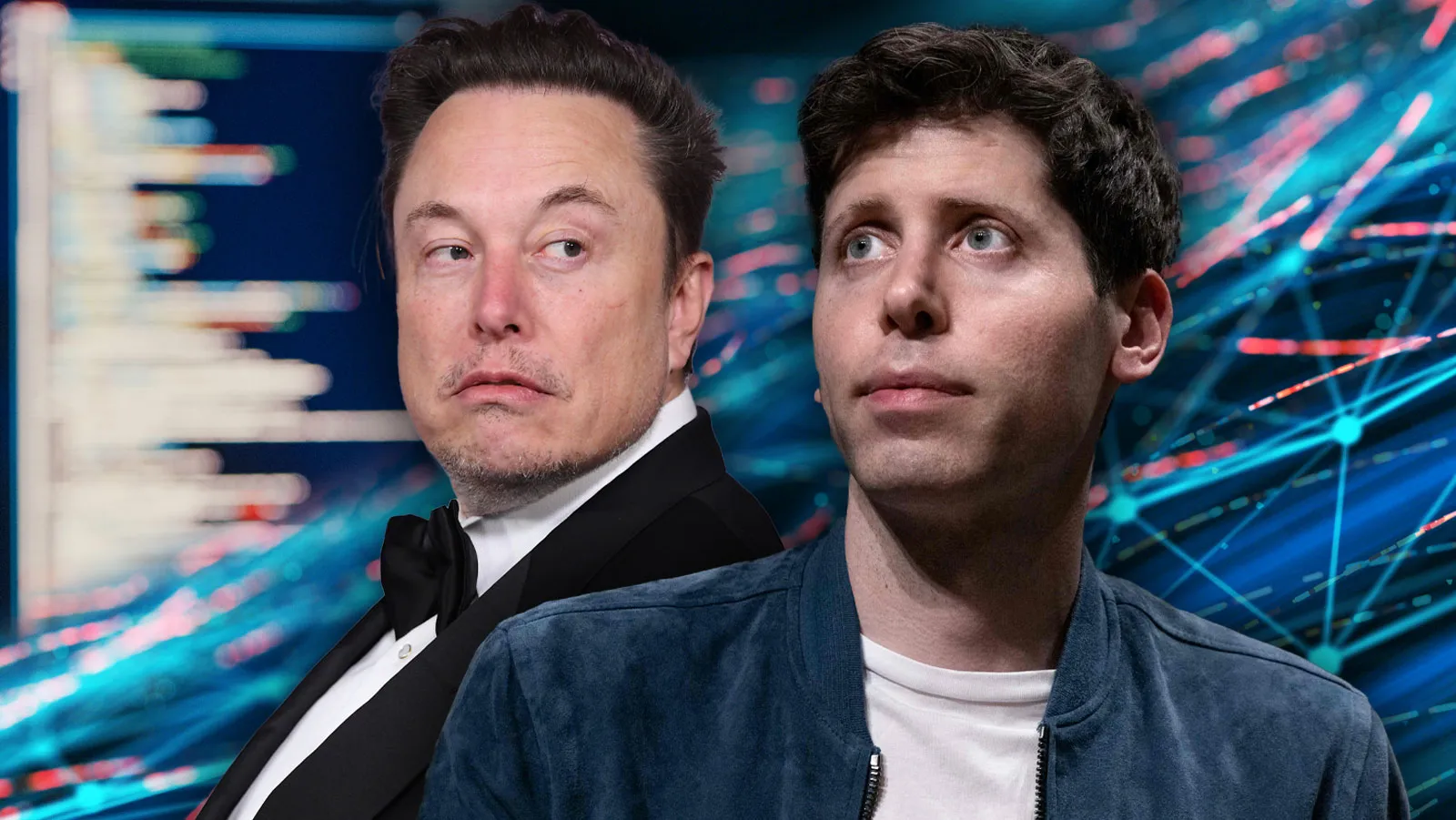
Elon Musk has withdrawn his fraud-related claims against OpenAI and its co-founders, Sam Altman and Greg Brockman, significantly narrowing the scope of his ongoing legal battle just before the trial begins. A US federal court in California approved Musk’s request to streamline the lawsuit, allowing only two core allegations to proceed out of the 26 originally filed in November 2024.
The decision marks a major shift in one of the most closely watched legal disputes in the global artificial intelligence sector. The trial is scheduled to begin with jury selection in a federal court in Oakland, California, on Monday.
Only Unjust Enrichment and Charitable Trust Claims Remain Before the Court
Musk, who co-founded OpenAI in 2015 alongside Altman and others, had initially accused the organisation of abandoning its original non-profit mission. According to his allegations, OpenAI deviated from its founding objective of developing artificial intelligence for the benefit of humanity after receiving large-scale financial backing from Microsoft and moving towards a for-profit structure.
However, in the latest legal development, Musk has dropped the fraud claims, leaving only two allegations to be examined during the trial: unjust enrichment and breach of charitable trust. These remaining claims will form the core of the proceedings moving forward.
FCRF Academy Launches Premier Anti-Money Laundering Certification Program
OpenAI Denies Allegations as Baseless
The lawsuit has also seen strong resistance from OpenAI and its leadership. The company, along with Altman, Brockman, and Microsoft, has denied all allegations, calling them baseless and an attempt at harassment. OpenAI has argued in court filings that Musk’s claims are unfounded and legally motivated, especially given the timing of the proposed remedies, which are close to the trial date.
The court has structured the upcoming trial into two phases. In the first phase, a jury will hear arguments and testimony related to the remaining allegations. The jury’s decision will be advisory and will not bind the presiding judge, Yvonne Gonzalez Rogers, who will ultimately determine whether Musk has proven his case.
In the second phase, the judge will consider the remedies sought by Musk, which include major structural changes to OpenAI. Among his demands are the restoration of OpenAI’s non-profit status and the removal of both Sam Altman and Greg Brockman from their leadership roles. Musk is also seeking damages of up to $134 billion, which he has suggested could be directed to OpenAI’s charitable arm if he succeeds in the case.
Trial to Examine OpenAI’s Shift From Non-Profit Mission to Commercial Model
The dispute has its roots in the evolving relationship between Musk and OpenAI. After co-founding the organisation, Musk left its board in 2018. Since then, tensions between him and the company have escalated, particularly after OpenAI entered into a multi-billion-dollar partnership with Microsoft and began restructuring into a for-profit entity to attract larger investments.
In 2023, Musk further intensified competition in the artificial intelligence space by co-founding xAI, a startup positioned as a direct rival to OpenAI. The legal conflict deepened in early 2024 when OpenAI rejected Musk’s unsolicited $97.4 billion offer to acquire control of the organisation’s non-profit arm.
Shortly after, OpenAI proceeded with its restructuring plan, paving the way for potential public listing and expanded commercial operations. This move became a central point of contention in Musk’s lawsuit, which argues that OpenAI’s original mission has been compromised.
Musk Seeks Sweeping Remedies Including Leadership Changes
Ahead of the trial, OpenAI had accused Musk of attempting a “legal ambush,” claiming that his revised demands and remedies introduced late in the proceedings were disruptive and strategically timed. The court, however, has allowed the case to proceed in a narrowed form.
Legal experts suggest that the trial could have significant implications for how artificial intelligence organisations balance public-interest objectives with commercial funding models. The outcome may also influence governance frameworks in rapidly growing AI companies worldwide.
As the proceedings move forward, the court will focus on whether OpenAI’s transformation violated its foundational commitments and whether any financial or governance remedies are justified.
The case remains under close global scrutiny, given the involvement of high-profile tech leaders and the broader implications for the future structure of artificial intelligence development and control.
