

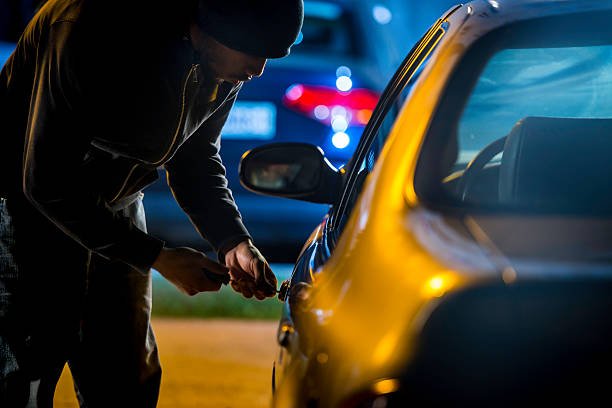
Bilaspur: A major fraud case involving the sale of a stolen vehicle has surfaced in Bilaspur, raising serious concerns over the safety of second-hand car transactions. A local vehicle trader has been accused of cheating a buyer of ₹14 lakh by selling a stolen SUV using forged documents, exposing gaps in verification practices in the used-car market.
According to the complaint, Ashok Kumar, a resident of Ghumarwin, entered into a deal in December 2025 with the accused, Arafat Hussain, to purchase a black SUV. Hussain, who operates in the second-hand vehicle trade locally, agreed to sell the vehicle for ₹14 lakh. Following the agreement, the buyer proceeded with payments in instalments, trusting the documents and representations made by the seller.
How the fraud was executed
The complaint states that on December 28, 2025, the buyer paid ₹3 lakh in cash to the accused in the presence of a friend. To arrange the remaining amount, he secured a vehicle loan of ₹ 11.50 lakh from Punjab National Bank. Out of this, ₹10.50 lakh was transferred on January 13, 2026, into a bank account provided by the accused, reportedly linked to HDFC Bank.
It is alleged that at the time of delivery, the accused handed over forged documents, including a fake Registration Certificate (RC), along with incorrect chassis and engine numbers. The number plate affixed to the vehicle was also not genuine. At first glance, the paperwork appeared legitimate, leaving the buyer with no immediate reason to suspect foul play.
FCRF Returns With CDPO, Its Premier Data Protection Certification for Privacy Professionals
Truth uncovered during verification
The fraud came to light when the vehicle’s details were later verified. Investigations revealed that the SUV had been reported stolen, with a related case already registered in Amritsar. This discovery exposed the entire transaction as fraudulent and confirmed that the buyer had been deceived.
Following this revelation, the victim approached the police and filed a formal complaint. Based on the complaint, a criminal case has been registered against the accused, and further investigation is currently underway.
Possibility of a larger network
Preliminary findings suggest that the fraud may not be an isolated incident. The method—selling stolen vehicles with forged documentation—is a known pattern in the illegal vehicle trade, often linked to organized networks. Investigators are now examining whether others were involved in sourcing the stolen vehicle or creating fake documents.
Authorities are also trying to trace the vehicle’s origin and determine how it was brought into the local market. The possibility of a wider racket dealing in stolen vehicles cannot be ruled out at this stage.
Warning for buyers: verify before you buy
This case highlights the critical importance of due diligence when purchasing second-hand vehicles. Experts advise buyers to thoroughly verify all documents on official government portals and to physically inspect key identifiers, such as chassis and engine numbers.
Relying solely on paperwork—even when financing is done through formal banking channels—can be risky, as seen in this incident. Buyers are strongly encouraged to deal only with authorized dealers or trusted sources and to cross-check vehicle history before completing any transaction.
Market impact and rising concern
The incident has triggered concern within Bilaspur’s used-car market, with many buyers reconsidering past purchases and adopting stricter verification measures. Trust within the local trading ecosystem appears to have been affected, as such cases undermine confidence in informal vehicle deals. The case underscores a broader trend: traditional markets are increasingly vulnerable to document-based and financial fraud. As such, scams become more sophisticated, awareness and strict verification remain the most effective safeguards against financial loss.
