
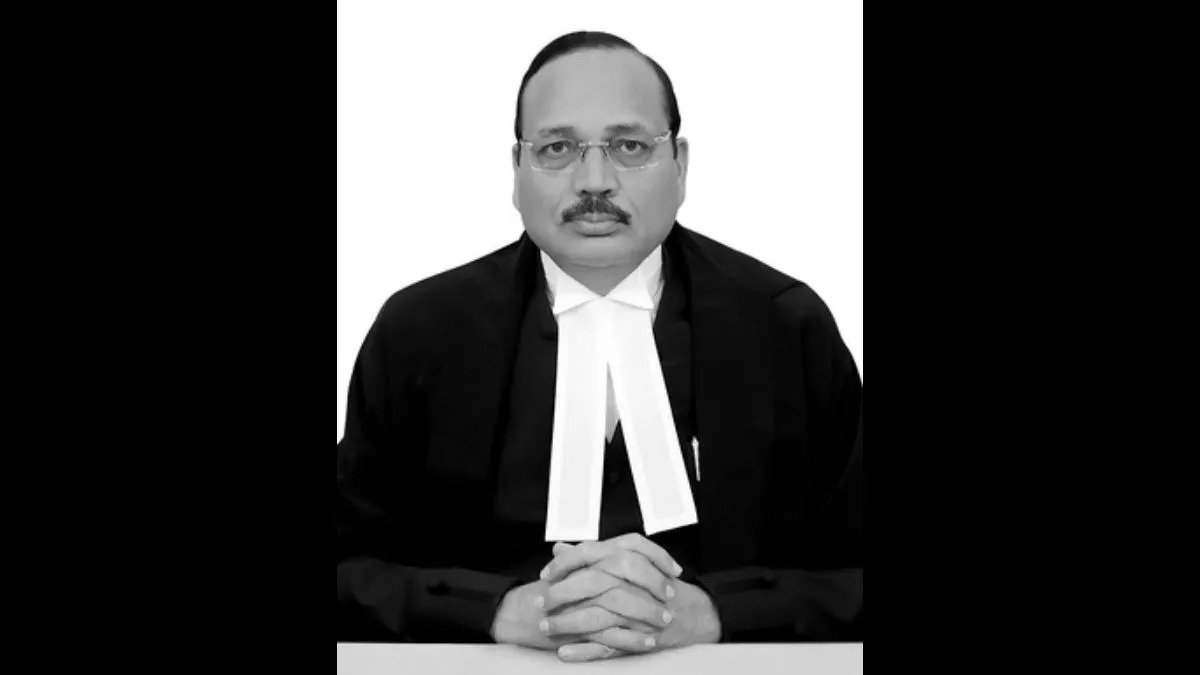
Chief Justice of India Surya Kant on Monday expressed shock that well-educated people continue to fall prey to digital arrest scams, in which fraudsters impersonate police officers or judges and extort money through video calls.
He also disclosed that a woman known to him in an official capacity had lost all her post-retirement benefits in such a scam.
Court Voices Concern Over Rising Losses
The Chief Justice made the remarks when Attorney General for India R Venkataramani referred to the suo motu case on the issue and sought adjournment, saying inter-departmental meetings were underway. The court was told earlier that nearly ₹3000 crore had been swindled by fraudsters through such scam arrests.
Chief Justice Surya Kant said the woman who approached him had been crying and had lost all her savings. His remarks underscored the court’s concern over the scale of the fraud and the vulnerability of victims despite awareness and education.
FCRF Returns With CDPO, Its Premier Data Protection Certification for Privacy Professionals
Suo Motu Case and Government Response
The court had taken suo motu cognisance of the issue last year and later transferred cases across states to the CBI for investigation. Pursuant to the court’s intervention, the Ministry of Home Affairs has constituted a high-level inter-departmental committee.
According to the material placed before the court, the committee has submitted a report proposing a standard operating procedure to deal with such crimes. The proceedings indicated that the issue remains under active consideration at multiple levels of government and law enforcement.
Banks and Intermediaries Asked to Build Safeguards
During an earlier hearing, the court had stressed the need for banks to develop mechanisms to alert customers if unusually large-volume transactions were being attempted from their accounts. At the hearing referred to in the screenshots, senior advocate NS Nappinai, appearing as amicus curiae, suggested that intermediaries should develop a kill switch to terminate such transactions.
She said victims often freeze when confronted with threatening calls from fraudsters posing as authorities, making it difficult for them to respond rationally. In such situations, she argued, technological safeguards by intermediaries could help prevent irreversible financial losses. The matter will next be heard on May 12.
About the author – Rehan Khan is a law student and legal journalist with a keen interest in cybercrime, digital fraud, and emerging technology laws. He writes on the intersection of law, cybersecurity, and online safety, focusing on developments that impact individuals and institutions in India.
Follow for daily updates on cybercrime, corporate fraud, DFIR, hacking, investigations, and digital forensics
