

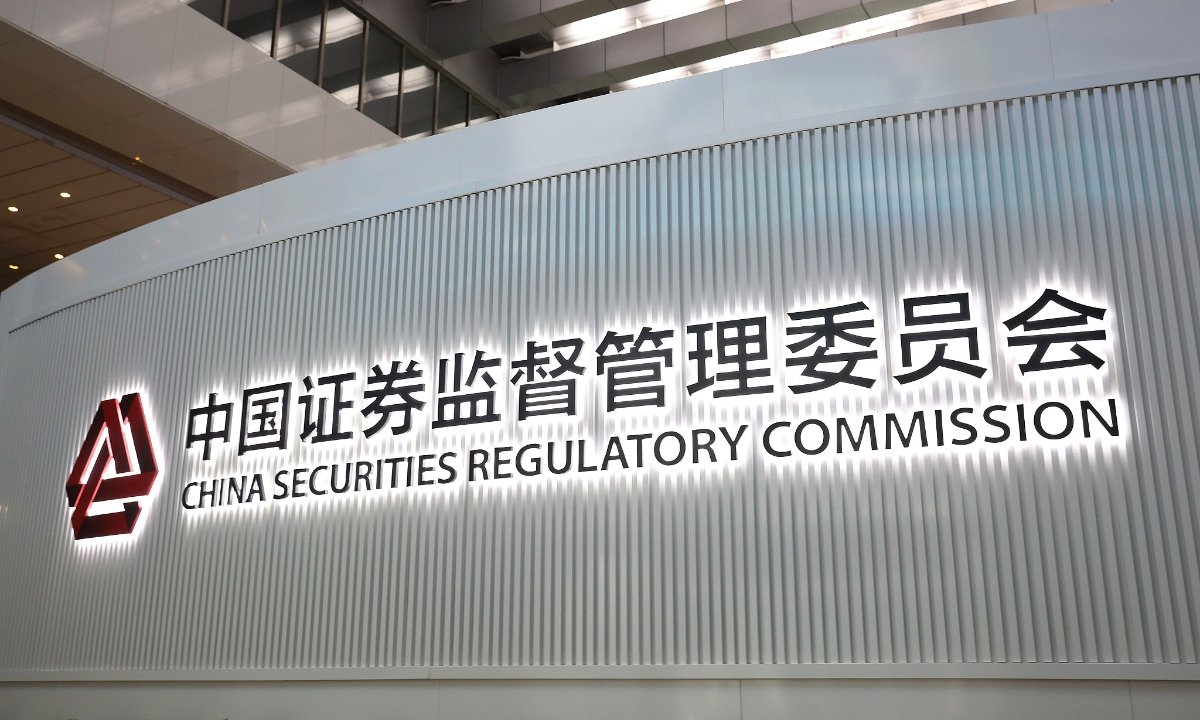

China’s financial regulator has taken one of its strongest enforcement actions in recent years against the auditing sector following a major corporate fraud-linked investigation, raising serious concerns over audit oversight and financial reporting standards in the country’s capital markets.
The China Securities Regulatory Commission (CSRC) has imposed a record fine of 243 million yuan (approximately ₹312 crore) on domestic audit firm Zhongxingcai Guanghua Certified Public Accountants LLP. The penalty comes after investigators uncovered severe audit failures linked to a major corporate fraud case that went undetected for an extended period.
According to the regulator, the total penalty includes the confiscation of 32.6 million yuan (around ₹42 crore) in illegal gains and an additional 210 million yuan (around ₹270 crore) in fines. This makes it one of the largest punitive actions ever taken against an auditing firm in China, sending shockwaves through the financial services industry.
Auditors Face Individual Sanctions
Along with the firm-level penalty, the CSRC also imposed sanctions on six certified public accountants involved in the audit process. Two of them have been barred from participating in China’s securities market for up to 10 years, highlighting a growing trend of individual accountability in regulatory enforcement.
The regulator stated that the audit firm failed to properly verify key financial disclosures and did not apply adequate professional skepticism while reviewing the company’s accounts. As a result, significant financial irregularities remained hidden, misleading investors and distorting market transparency.
FCRF Returns With CDPO, Its Premier Data Protection Certification for Privacy Professionals
The CSRC further noted that the lapses reflected weak internal controls and non-compliance with established auditing standards. According to the findings, multiple layers of oversight failure allowed the fraud to persist without timely detection.
Transparency Concerns Deepen Across Capital Markets
Officials emphasised that such negligence directly undermines investor confidence and compromises the integrity of capital markets. The regulator stressed that maintaining transparency in financial reporting is essential for ensuring long-term market stability.
The action comes amid a broader tightening of financial regulation in China, where authorities have been intensifying scrutiny of listed companies and auditing firms following a series of high-profile corporate scandals in recent years. Regulators have repeatedly warned that weak auditing practices will not be tolerated.
In recent years, both domestic and international audit firms operating in China have faced increasing penalties for compliance failures, as authorities push for stronger accountability and improved reporting standards. The latest case reinforces that even mid-tier firms are not exempt from strict enforcement.
Industry Faces Fresh Pressure to Reform
Market experts believe the record penalty will serve as a strong warning to the auditing industry, pushing firms to strengthen internal review mechanisms, improve documentation practices, and ensure stricter adherence to regulatory frameworks.
The crackdown is also part of China’s wider effort to reduce systemic financial risks and enhance transparency in listed companies, particularly in relation to hidden debt, off-balance-sheet liabilities, and inaccurate disclosures.
While the CSRC did not disclose full details of the underlying corporate fraud case, it confirmed that the misconduct was systemic in nature, involving multiple levels of audit and compliance failure. This suggests broader governance weaknesses beyond a single entity.
The regulator also indicated that further investigations are ongoing and additional enforcement actions may follow depending on the outcome of the probe. It reiterated that integrity in financial reporting remains a top priority for safeguarding market stability.
Following the announcement, the auditing sector is expected to face increased pressure to reassess risk management systems and compliance structures. Companies across the industry are now likely to strengthen internal controls to avoid similar punitive actions in the future.
Follow for daily updates on cybercrime, corporate fraud, DFIR, hacking, investigations, and digital forensics
