

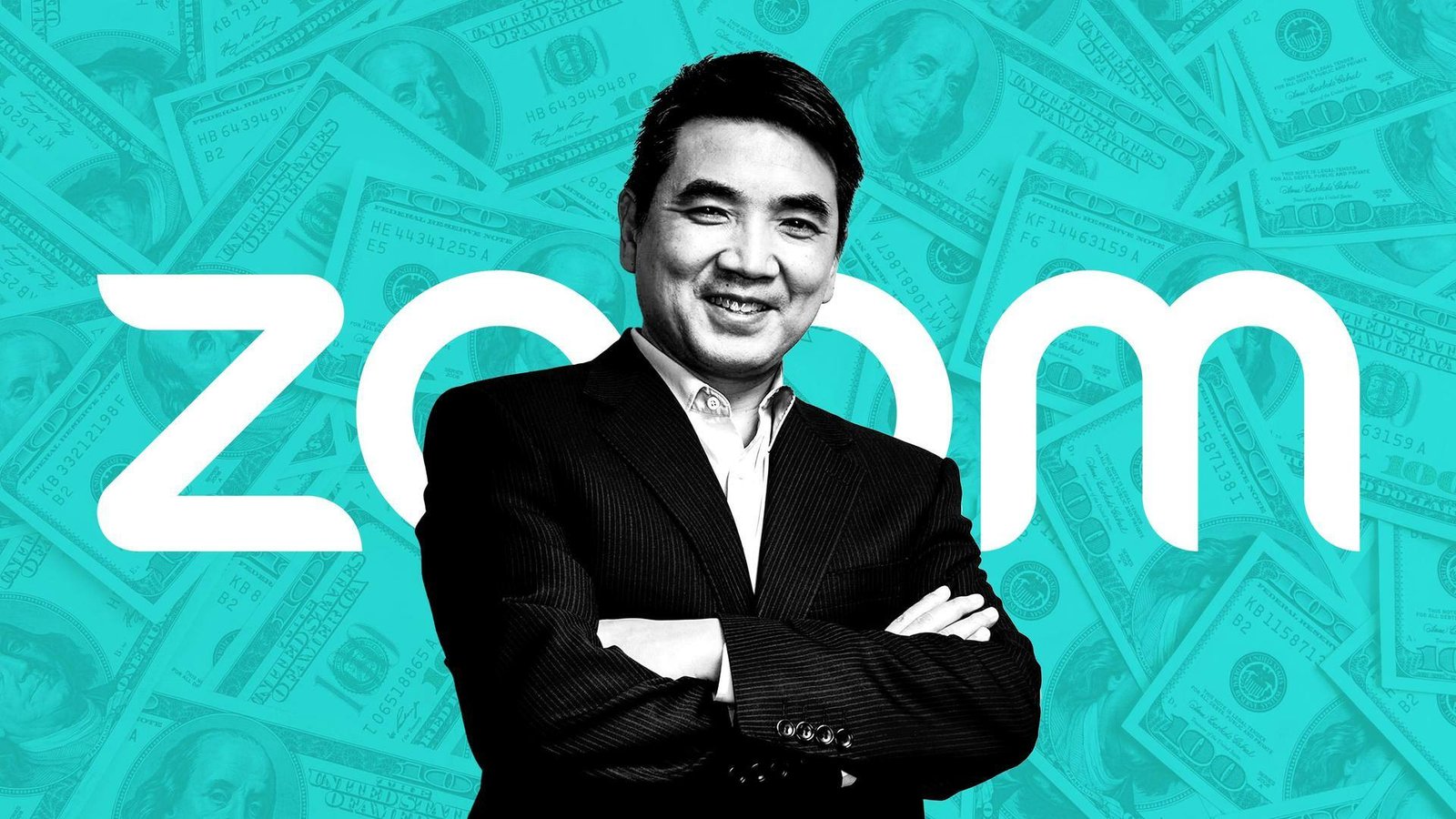

Zoom Chief Executive Eric Yuan has said the conventional five-day office week may not remain the norm for much longer, arguing that advances in artificial intelligence could reduce the working week to three days within the next five years. Speaking to The Wall Street Journal, Yuan said he did not believe people would need to work five days a week as AI systems increasingly take over routine tasks.
AI Agents and the Case for Fewer Working Days
Yuan said the shift would be driven not simply by faster work but by the rise of AI agents that could handle much of the repetitive work currently done by employees. He said workers would eventually rely on large numbers of digital agents to carry out ordinary professional functions.
FCRF Returns With CDPO, Its Premier Data Protection Certification for Privacy Professionals
According to Yuan, these AI systems could attend meetings, respond to routine emails and manage schedules in place of human workers. He suggested that such changes would give people more personal time while still allowing them to pursue new and meaningful work.
A Wider Debate Among Business Leaders
Yuan’s remarks place him alongside other senior business and technology figures who have suggested that AI may significantly shorten the workweek. JPMorgan Chase Chief Executive Jamie Dimon recently told CBS News that future generations may work only three and a half days a week.
Dimon said AI could help people live longer and safer lives by reducing the physical and mental burden associated with full-time work. His comments added to a growing discussion among corporate leaders about how automation may reshape labour patterns in the years ahead.
OpenAI’s View on the Future of Work
The debate has also been taken up by OpenAI, which in a 13-page paper said superintelligence could encourage companies to retain, retrain and invest in workers while moving towards a four-day workweek without cutting pay. The company also urged policymakers and businesses to begin testing 32-hour workweek models now.
Taken together, the remarks from Yuan, Dimon and OpenAI reflect a broader view emerging in parts of the technology and finance sectors that AI may not only change how people work, but also how much they need to work.
