

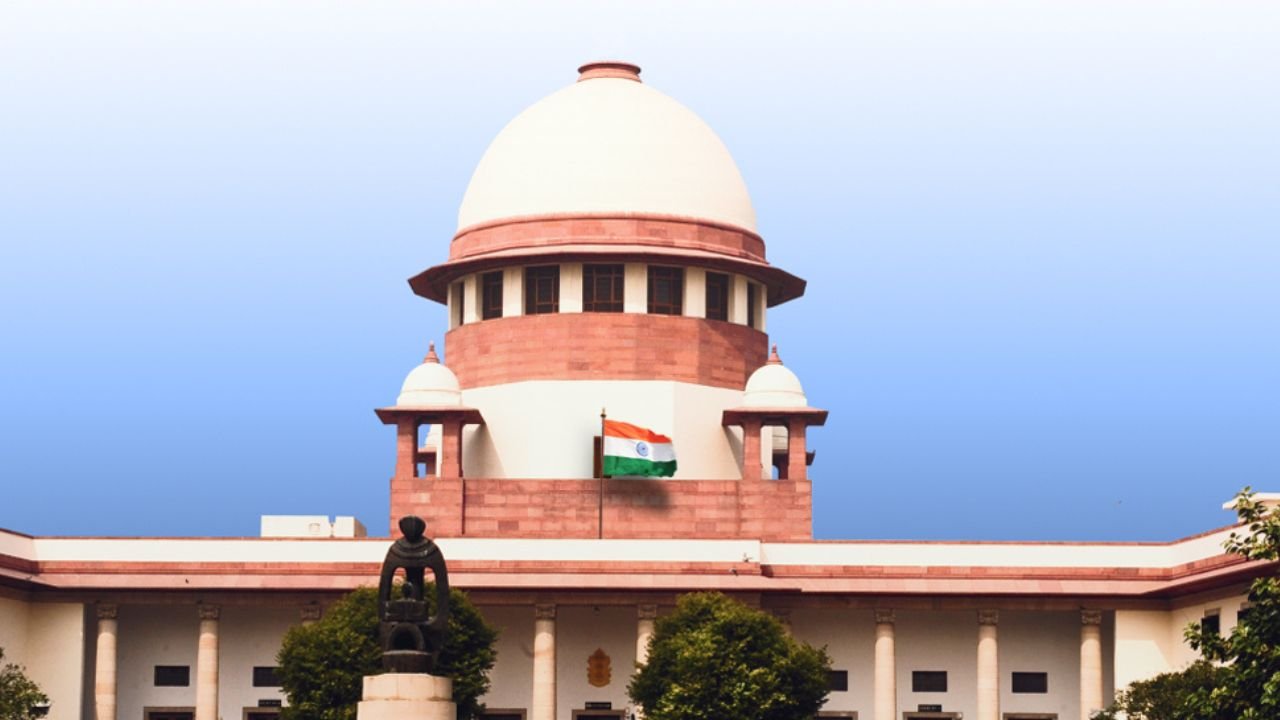

New Delhi: In a significant development in the high-profile Grand Venice real estate fraud case, the Supreme Court of India has cancelled the bail granted to businessman Satinder Singh Bhasin, directing him to surrender before jail authorities within one week.
The decision comes after the Court found that Bhasin had failed to comply with key bail conditions imposed in 2019, particularly his obligation to make sincere efforts to resolve disputes with aggrieved investors. Observing non-compliance, the Court held that the relief granted earlier could no longer continue.
FCRF Launches Premier CISO Certification Amid Rising Demand for Cybersecurity Leadership
A crucial aspect of the ruling is the forfeiture of the ₹50 crore amount deposited by Bhasin as part of his bail conditions. The Court ordered that ₹5 crore be allocated to the National Legal Services Authority (NALSA), while the remaining ₹45 crore is to be handed over to the resolution professional handling insolvency proceedings against Bhasin’s company.
The Court further directed that Bhasin’s passport shall not be released without its permission. However, it provided limited relief by allowing him to apply for regular bail again after 12 months, subject to strict compliance with all directions issued in the ongoing insolvency process.
The case stems from multiple criminal proceedings registered in Delhi and Noida, where Bhasin has been accused of cheating investors and misappropriating funds linked to the development of the ‘Grand Venice’ project in Greater Noida. The project was promoted as a large-scale development featuring residential complexes, a shopping mall, and a hotel.
In earlier observations, the Court had already expressed dissatisfaction with Bhasin’s conduct. In November 2025, the Bench had described his behavior as “undesirable, if not obstructionist,” noting that despite the passage of six years since the grant of bail, there had been no meaningful progress in settling investor claims.
The Court also took serious note of allegations suggesting that the ₹50 crore deposited for securing bail may have been sourced from company funds, raising further concerns about financial impropriety. Additionally, it flagged instances where disputes with investors were allegedly shown as “settled” without actual resolution on the ground.
The scale of the case is reflected in the approximately 190 FIRs registered across jurisdictions, covering various criminal offences. Given the prolonged pendency and gravity of allegations, the Court indicated that expediting the trial would be appropriate to bring closure to the matter.
It is noteworthy that when granting bail in 2019, the Court had clearly mandated that Bhasin must actively pursue settlements with all affected investors. Over time, however, several allottees approached the Court seeking cancellation of bail, alleging that Bhasin neither engaged constructively nor addressed their grievances.
Based on these complaints, the Court had earlier issued a show-cause notice to Bhasin, asking why his bail should not be revoked. The present order marks the culmination of that process, with the Court concluding that continued non-compliance warranted cancellation of bail.
The legal battle is far from over. The next crucial hearing is scheduled for April 7 before the Allahabad High Court, where Bhasin has challenged the FIRs registered against him and sought their quashing. The outcome of that hearing is expected to play a key role in shaping the future course of the case.
With this ruling, the Supreme Court has sent a strong message on accountability in large-scale investor fraud cases, emphasizing that bail conditions are not mere formalities but binding obligations that must be strictly followed.
About the author — Suvedita Nath is a science student with a growing interest in cybercrime and digital safety. She writes on online activity, cyber threats, and technology-driven risks. Her work focuses on clarity, accuracy, and public awareness.
