


The conflict between the United States, Israel and Iran has intensified regional instability, disrupted energy markets and raised fears of wider escalation, with fresh attacks, rising oil prices and conflicting signals on diplomacy shaping developments.
Regional Disruptions Continue
With Iran retaliating against US and Israeli strikes, Gulf countries have reported repeated interceptions of missiles and drones launched by Tehran. The broader Middle East has been drawn deeper into unrest as hostilities continue.
On Monday, an Iranian strike targeted the Al-Salmi oil tanker at Dubai Port, triggering a fire. Kuwait Petroleum Corporation warned that the incident could potentially result in an oil spill, underscoring the risks to critical energy infrastructure.
Oil Prices Soar
The conflict has had a sharp impact on global oil markets. Since the war began, the Brent crude benchmark has risen by more than 50 percent, with prices continuing to climb steadily.
Amid what has been described as the effective closure of the Strait of Hormuz, Brent crude touched $116 on Monday, while the WTI benchmark settled at $102.88, its highest closing level since July 2022. Although Iran has allowed passage for what it calls friendly nations, including India, Pakistan, Russia and China, many tankers remain anchored near the strategic waterway due to threats against non-friendly vessels.
‘Take the Oil’ or Talk It Out?
US President Donald Trump appeared to send mixed signals over the weekend regarding Washington’s approach. He indicated that the United States was considering taking control of Iran’s oil resources, including the crude export hub at Kharg Island, while also claiming that Tehran had accepted most elements of a proposed 15-point ceasefire plan.
Iran has publicly denied being in negotiations with the United States, though reports suggest that indirect communication may be taking place through intermediaries and back channels.
At the same time, the Trump administration is considering deploying an additional 10,000 troops to the region. This could include at least 5,000 US Marines and thousands of paratroopers from the 82nd Airborne. CENTCOM said that 3,500 troops and sailors had already reached the region aboard the USS Tripoli.
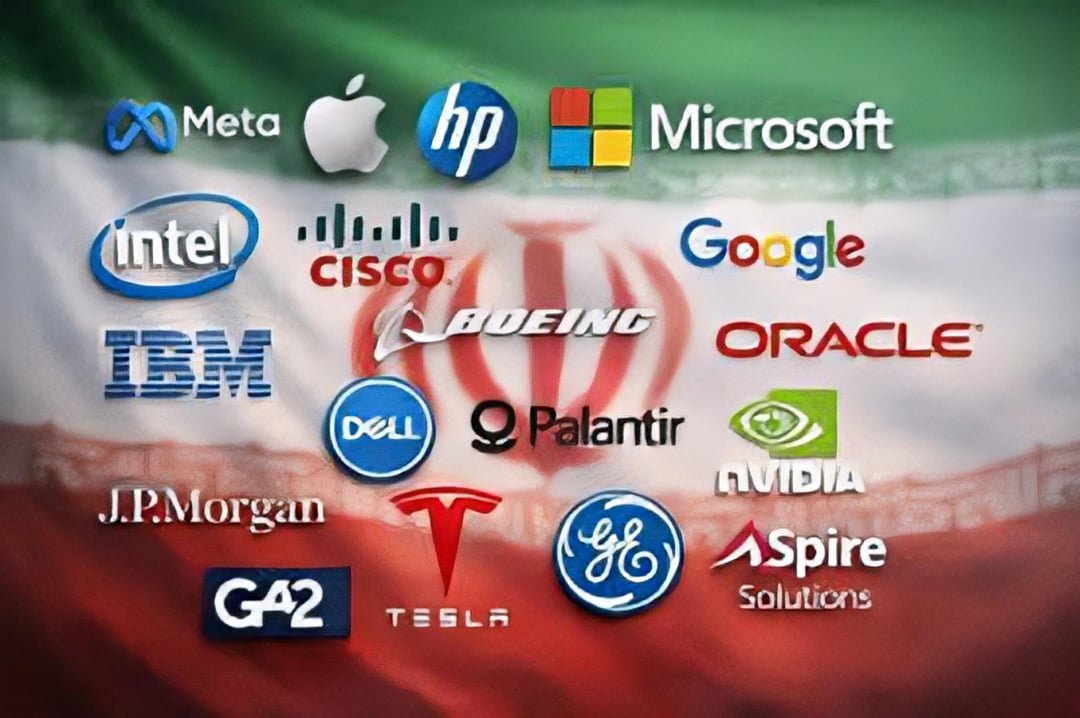
Iran’s Revolutionary Guards have also issued warnings that leading US technology companies such as Apple, Google and Meta could be targeted if further Iranian leaders are killed in what they described as targeted assassinations.
The conflict has now crossed the one-month mark, leaving thousands dead and continuing to disrupt global energy markets, with no clear progress reported in diplomatic efforts.
Follow for daily updates on cybercrime, corporate fraud, DFIR, hacking, investigations, and digital forensics
