
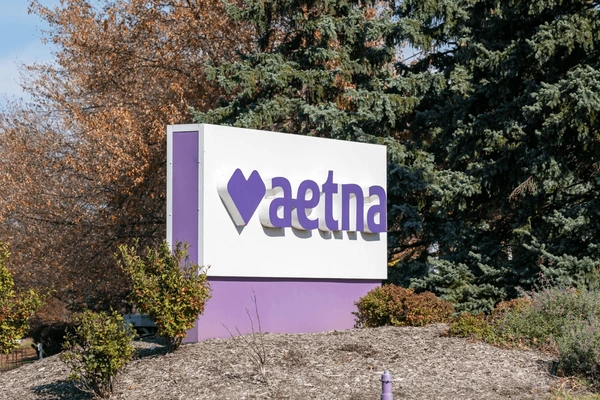
A major financial dispute involving the U.S. healthcare insurance sector has come to light, with American health insurer Aetna agreeing to a settlement of about ₹975 crore (approximately $117.7 million) with the U.S. government. The company faced allegations that it secured higher payments under the Medicare program by submitting inaccurate medical diagnosis codes for patients.
The case surfaced following an investigation by the U.S. government and a whistleblower lawsuit. According to the allegations, the company submitted diagnosis codes that did not match patients’ medical records, leading to increased payments from the federal government.
Aetna, however, has not admitted any wrongdoing. The company said the settlement was reached to avoid the uncertainty and high costs associated with prolonged litigation.
FutureCrime Summit 2026: Registrations to Open Soon for India’s Biggest Cybercrime Conference
Medicare Advantage Risk Adjustment: How Diagnosis Codes Drive Higher Payouts
The dispute relates to the Medicare Advantage program in the United States. Under this system, patients who opt out of traditional Medicare can enroll in health plans operated by private insurance companies. The government pays these insurers based on the health risk level of enrolled patients.
If a patient is reported to have serious or complex health conditions, insurers receive higher payments to cover treatment costs. This system is known as “risk adjustment,” and the payments depend heavily on diagnosis codes submitted by insurance providers.
Morbid Obesity Coding Allegations: BMI Data Didn’t Support Claims (2018-2023)
Investigators alleged that in several cases the company reported codes for morbid obesity, a severe medical condition associated with extreme obesity, even when patients’ Body Mass Index (BMI) data did not support that diagnosis. Such coding would categorize patients as higher-risk cases and result in increased payments from the government.
Authorities say the practice continued over multiple years. According to the allegations, inaccurate diagnosis information was submitted between 2018 and 2023, potentially influencing the amount of government reimbursement received by the insurer.
Investigators also alleged that the company had identified certain inaccurate diagnosis codes during internal reviews but failed to fully correct or withdraw them from the data submitted to authorities. As a result, inaccurate information may have remained part of the payment calculations.
Arizona Auditor’s ₹16.6 Crore Reward Highlights Whistleblower Impact
The case originated from a whistleblower lawsuit filed by a former risk-adjustment coding auditor from Arizona. The auditor alleged that the company’s risk adjustment coding process relied on inaccurate medical data.
Under U.S. law, whistleblowers who file lawsuits on behalf of the government may receive a portion of any recovered funds. As part of the settlement, the whistleblower in this case is expected to receive around ₹16.6 crore (about $2.01 million).
Officials say private insurance companies receive more than $530 billion annually from the U.S. government to provide care for Medicare Advantage patients. Because of the large scale of these payments, inaccurate reporting of diagnosis codes can have a direct impact on public funds.
Aetna Defends Industry-Wide Practice as Oversight Questions Grow
In a statement, the company said it disagrees with the government’s allegations and believes the issue is related to broader industry-wide interpretations of coding practices. It added that settling the case was a practical step to avoid prolonged legal disputes and related expenses.
Health policy analysts say the case raises important questions about oversight mechanisms within the Medicare Advantage system and the reporting practices of private insurers. In recent years, spending under the program has grown significantly, prompting authorities to increase scrutiny of payment accuracy.
Legal experts also note that whistleblower complaints frequently play a crucial role in exposing large financial irregularities, as insiders often have direct access to internal data and operational practices.
The settlement is being viewed as an important signal for the healthcare insurance industry, highlighting the growing enforcement efforts by U.S. authorities to ensure greater accountability in Medicare payments and risk-adjustment coding practices.
About the author – Ayesha Aayat is a law student and contributor covering cybercrime, online frauds, and digital safety concerns. Her writing aims to raise awareness about evolving cyber threats and legal responses.
