


Nairobi | A Chinese national has been arrested at Kenya’s main international airport after authorities uncovered an unusual wildlife smuggling attempt involving more than 2,000 live queen ants. Investigators say the accused was trying to secretly transport the rare insects out of the country by concealing them inside his luggage before boarding a flight to China.
The arrest took place at Jomo Kenyatta International Airport in Nairobi during a routine security screening. Officials inspecting the passenger’s baggage discovered a large consignment of live ants carefully hidden inside the luggage. The suspect was reportedly preparing to board an international flight when the insects were detected during the inspection process.
FCRF Launches Flagship Certified Fraud Investigator (CFI) Program
Authorities identified the arrested individual as Zhang Kequn. The accused has not yet responded to the allegations, but investigators believe he may be linked to a wider ant-trafficking network that had previously been uncovered in Kenya last year.
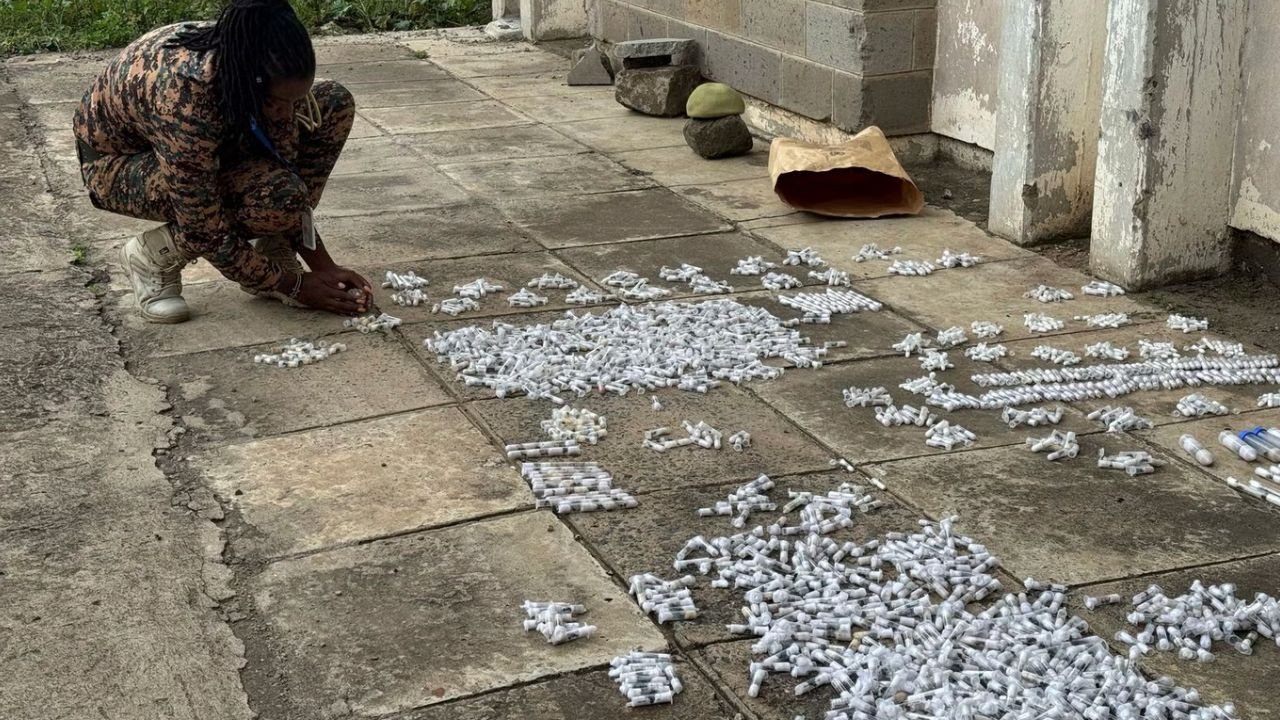
According to documents presented in court, the suspect had packed a large number of ants in specialised test tubes designed to keep the insects alive during transport. In addition, several ants were hidden inside rolls of tissue paper placed within the luggage, an apparent attempt to avoid detection during security checks.
Prosecutors told the court that 1,948 live garden ants were discovered carefully packed in test tubes, while nearly 300 more were recovered from three rolls of tissue paper concealed inside the suspect’s luggage. In total, authorities seized more than 2,000 live queen ants during the operation.
Investigators say the insects belong to the species Messor cephalotes, commonly known as garden ants. The species is protected under international biodiversity agreements, and the trade or export of such wildlife is strictly regulated.
Wildlife experts note that queen ants are particularly valuable because they are capable of establishing entire new colonies. Removing them from their natural habitats can disrupt ecological balance and threaten local biodiversity.
Authorities believe the ants were destined for exotic pet markets in Europe and Asia, where collectors increasingly keep rare insect colonies as pets or display specimens. The growing demand in these markets has reportedly encouraged illegal harvesting and trafficking of the insects from their natural environments.
Officials from the Kenya Wildlife Service say incidents of ant trafficking have increased in recent years. Investigators suspect the latest arrest may be connected to a larger international smuggling network involved in collecting ants from different regions of Kenya and supplying them to foreign buyers.
Prosecutors have requested permission from the court to conduct a forensic examination of the suspect’s electronic devices, including his mobile phone and laptop. Authorities hope the digital evidence may reveal communications with other individuals involved in the trafficking operation and help identify additional members of the network.
Wildlife conservation experts warn that such smuggling activities pose a serious risk to ecosystems. Queen ants are the foundation of ant colonies, and their removal from the wild can disrupt soil health and biodiversity in the regions where they are harvested.
A similar case was reported in Kenya last year when four individuals were arrested for attempting to smuggle thousands of live queen ants out of the country. In that case, a Kenyan court sentenced the accused to one year in prison or imposed a fine of about $7,700 after they pleaded guilty to the charges.
Following the latest arrest, authorities have expanded the investigation to determine whether other areas in Kenya are being used for harvesting ants for illegal export. Officials believe organised groups may be collecting the insects from different locations before shipping them to international markets.
The court has allowed investigators to detain the suspect for five days to enable further questioning and evidence collection. Authorities indicated that additional arrests could follow as the investigation continues and more details about the suspected trafficking network emerge.
