

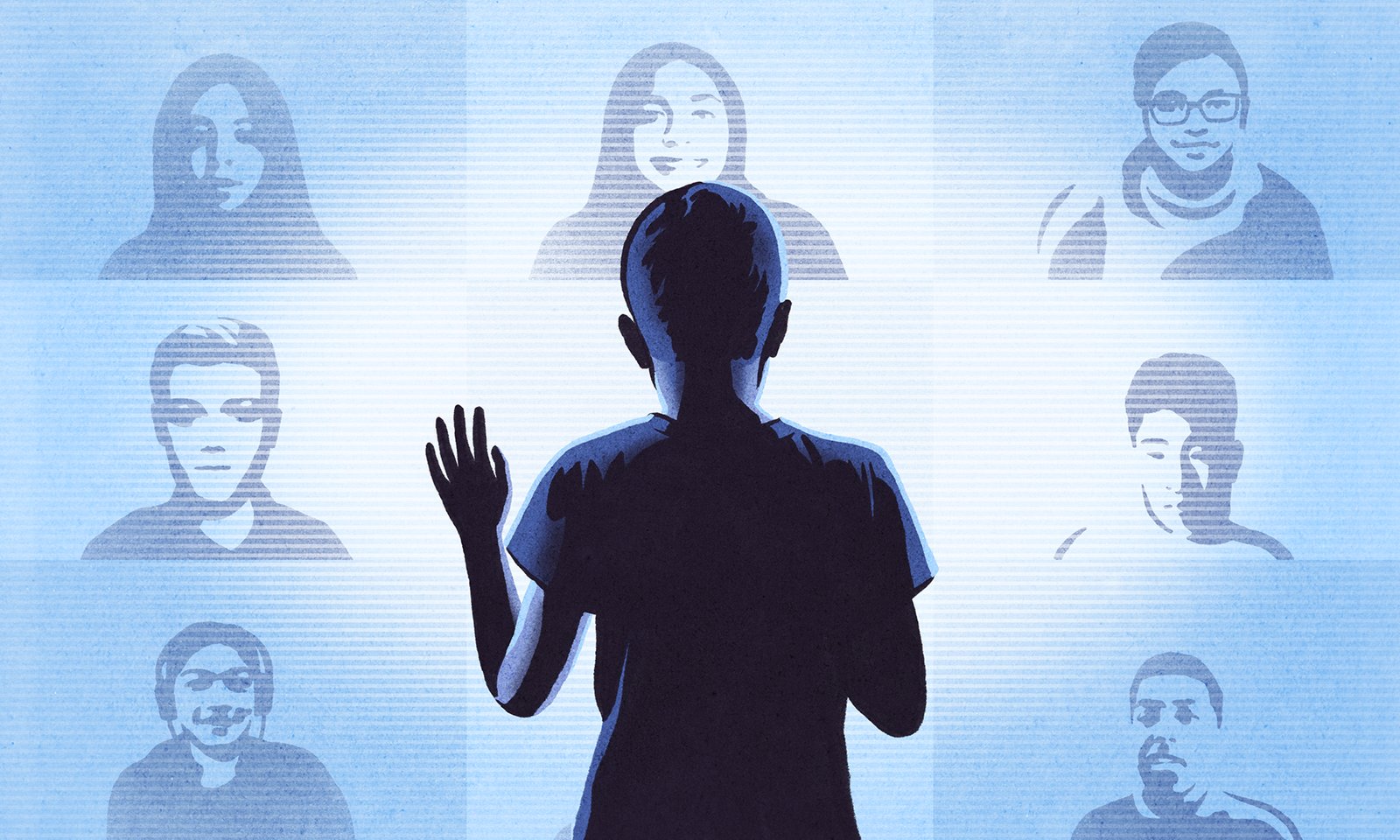

In classrooms across America, screens have become ordinary furniture. Students take tests on laptops, read from digital textbooks, submit assignments through online platforms and communicate through school-managed email systems. In many districts, one-device-per-student programs are no longer experimental; they are the default architecture of learning.
But that model is now facing one of its first serious political tests.
According to reporting cited in the source material, lawmakers in at least 16 states have introduced bills this year aimed at limiting education technology in public schools. The proposals vary in scope, but together they suggest a broader shift in how parents and policymakers are evaluating the role of screens in education.
The concerns are concrete, even intimate. In Utah, one mother told lawmakers that school-issued laptops had become conduits for constant notifications from games, chats and videos, making it harder for her children to focus on homework. In Tennessee, a pediatrician testified about children accessing pornographic material on school-issued devices and about a nine-year-old patient who had been cyberbullied through school email threads. In Kansas, a parent described a ninth-grade class reading a novel aloud because laptops had weakened students’ ability to stay focused.
These stories, while anecdotal, have helped transform an ambient parental anxiety into proposed legislation.
Final Call: Certified Fraud Investigator (CFI) Program by FCRF Academy Begins March 14
The New Push to Limit Classroom Technology
Many of the bills now under consideration focus on younger students, reflecting a growing belief that early and prolonged screen exposure in school may be developmentally unwise.
Some proposals would ban school-issued laptops and email accounts for preschool and elementary school students. Others would cap the amount of time older students are permitted to spend on screens during the school day. In Missouri, an early version of one bill proposed limiting elementary school screen time to 45 minutes a day before later being revised into a measure establishing a statewide council to develop guidelines.
Several states are also exploring oversight of the software used in classrooms. In Rhode Island, Utah and Vermont, lawmakers have proposed formal vetting processes for educational software. In Utah and Tennessee, legislators have proposed internet filters that would block websites unless districts approved them individually.
Supporters of these measures argue that schools expanded device use too quickly, with too little evidence about how it affects attention, learning and emotional well-being. Their critique is not always anti-technology in the broad sense. Rather, it is a challenge to the assumption that more digital access necessarily produces better educational outcomes.
This is the political language of correction: a belief that the digital turn in schools, once treated as inevitable progress, may require boundaries.
Parents, Industry and the Fight Over Evidence
The legislative push has also become a contest over expertise.
Parents’ groups have emerged as an important force in the debate, with some families sharing advice online about how to opt children out of school-issued Chromebooks and iPads. Their concerns overlap with wider debates about cellphone bans, social media exposure and the cognitive effects of constant digital stimulation.
Yet the research landscape remains unsettled. Critics of classroom technology often cite arguments linking declining academic performance and weaker concentration to the widespread adoption of school-issued devices. Advocates of educational technology, however, say the evidence is more mixed and that well-designed digital tools can support instruction, personalization and access.
A January report from the American Academy of Pediatrics, as cited in the source material, found that moderate use of well-designed educational software may support learning, while heavy exposure to stimulating digital media may affect attention and emotional regulation. That kind of nuance has made the policy debate more difficult. The question is no longer simply whether technology is good or bad, but what type, how much, under what conditions, and for which children.
Meanwhile, the education technology industry has begun to mobilize. Trade groups and technology companies argue that restricting classroom technology too aggressively could undermine workforce readiness and deny students tools that increasingly shape higher education and employment. Some nonprofit groups are proposing quality standards and certification frameworks for educational software, hoping to shift the debate from blanket restriction to selective approval.
In effect, both sides are responding to the same reality: technology is now so embedded in schooling that the argument is less about removal than about control.
A Larger Reckoning Over the Future of Schooling
At stake is more than screen time. The debate unfolding in state legislatures is also a referendum on what schools are for, and how much of the learning process should be mediated by platforms, dashboards and devices.
For many districts, the adoption of ed tech was accelerated by necessity — first through budget and efficiency pressures, then dramatically during the pandemic. Devices became not just teaching aids, but the infrastructure through which school itself was delivered. That legacy endures.
But as the emergency logic of digital adoption recedes, policymakers are beginning to revisit choices that once seemed settled. Should technology supplement instruction or organize it? Should children encounter screens as tools, or as environments? And who decides when digital access becomes digital excess?
Teachers, parents, pediatricians, lawmakers and industry groups are now answering those questions from different vantage points, often with different definitions of harm and benefit. The resulting policy collision may reshape not only how classrooms are equipped, but how educational progress itself is imagined.
For years, American schools were told that the future would be digital. Now, in hearing rooms and state capitols, a different question is taking hold: what kind of future, and at what cost to attention, autonomy and childhood itself?
