

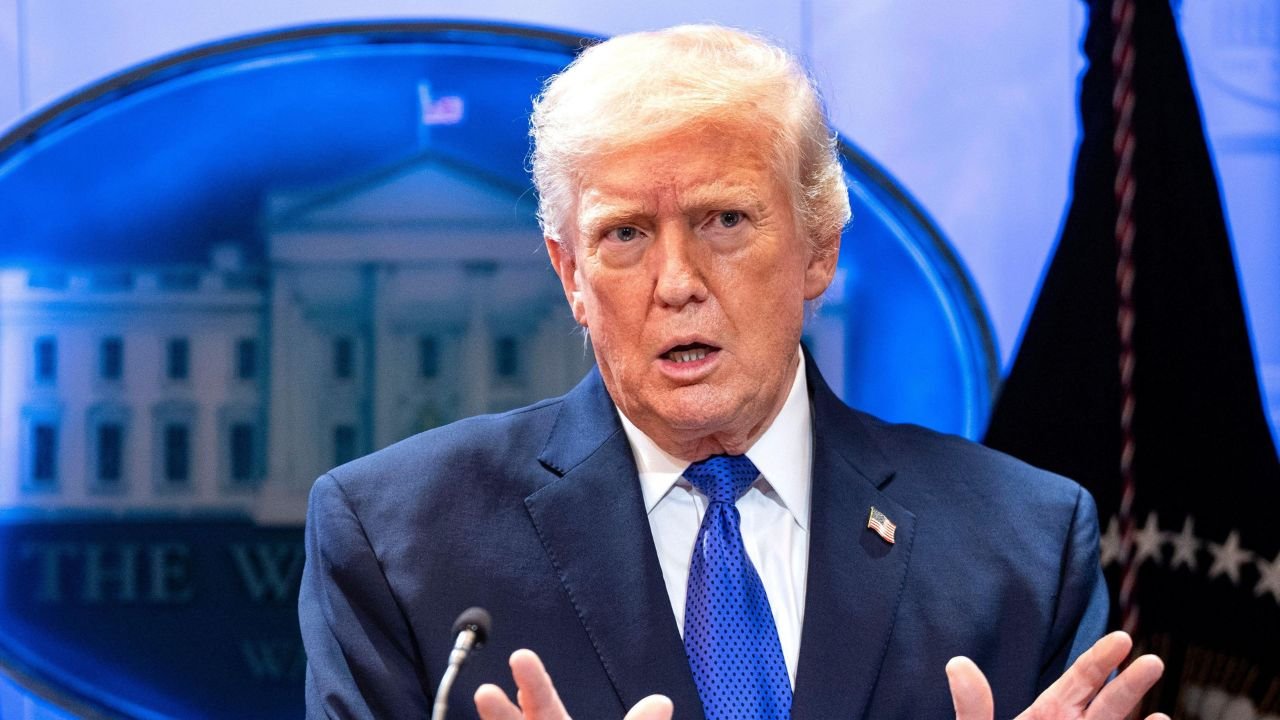

The White House has introduced a sweeping cybersecurity strategy for 2026 that aims to redefine how the United States confronts digital threats, ranging from state-sponsored hacking campaigns to large-scale international fraud networks.
Announced alongside a new executive order, the policy—titled “President Trump’s Cyber Strategy for America”—lays out a broad framework combining national security tools, law enforcement coordination and diplomatic pressure to counter cyber threats.
Officials said the strategy reflects a recognition that cyberattacks are no longer confined to isolated incidents affecting individual organizations. Instead, they increasingly involve complex networks of criminal groups and foreign actors capable of targeting financial systems, infrastructure and millions of individuals simultaneously.
FCRF Launches Flagship Certified Fraud Investigator (CFI) Program
The policy seeks to treat such threats not merely as criminal matters but as issues of national sovereignty.
A Doctrine of “Defending Forward”
At the core of the strategy is a shift toward more proactive cyber operations.
For years, American cybersecurity efforts largely focused on protecting networks and responding after intrusions occurred. The new doctrine, however, embraces what officials describe as “defending forward.”
Under this approach, agencies including U.S. Cyber Command and intelligence services may infiltrate or disrupt adversary networks before attacks are carried out.
Officials say the move reflects the growing sophistication of ransomware groups and state-backed hackers who have increasingly targeted American infrastructure and businesses.
The doctrine is intended to signal that cyberattacks on U.S. systems could trigger immediate countermeasures. These responses could include digital operations aimed at disabling hostile infrastructure or other retaliatory actions.
While the policy does not detail operational thresholds, officials suggest that the strategy is meant to deter adversaries who have historically operated with limited fear of direct consequences.
Safeguarding Infrastructure in a Digitized Economy
Another central element of the strategy focuses on protecting critical infrastructure.
Modern infrastructure—including energy grids, hospitals, transportation networks and financial systems—is often managed by private companies rather than government agencies. That reality, officials say, requires deeper cooperation between the public and private sectors.
Under the new framework, companies operating critical systems will face stricter cybersecurity standards. In return, the federal government will expand intelligence sharing and provide incentives to help companies upgrade defenses.
The strategy also calls for greater investment in emerging technologies such as artificial intelligence and quantum computing.
Officials argue that advances in these fields could play a key role in strengthening encryption, detecting cyber intrusions and anticipating future threats.
The policy reflects a broader recognition that attacks on privately operated infrastructure can have national consequences, disrupting essential services and affecting public safety.
Targeting Global Scam Networks
Beyond state-sponsored hacking, the strategy also addresses the rapid growth of transnational cyber fraud.
According to government estimates, Americans lost roughly $12.5 billion to cyber-enabled scams in a single year. Many of these operations originate from organized networks based overseas.
The administration has elevated these fraud networks to a national security concern.
A new task force within a National Coordination Centre (NCC) will coordinate law enforcement, intelligence and diplomatic efforts to dismantle scam centers operating across regions such as Southeast Asia, Eastern Europe and parts of Africa.
These groups frequently run schemes including cryptocurrency investment fraud, romance scams and tech-support scams that target victims through social engineering tactics.
Officials say the goal is to treat these operations not only as criminal enterprises but also as international networks capable of undermining economic stability and public trust.
Recovering Stolen Funds and Pressuring Safe Havens
A notable feature of the strategy is a proposed Victims Restoration Program, designed to recover funds stolen through cybercrime.
Under the plan, the Justice Department and Treasury Department will track and seize digital assets linked to cybercriminal operations, including cryptocurrencies such as Bitcoin.
Authorities would then liquidate the assets and redistribute the proceeds to victims of fraud.
Officials say the program could represent a shift in the way governments respond to cybercrime losses, which have historically been difficult to recover once funds move through global financial networks.
The strategy also introduces new diplomatic and economic tools aimed at countries accused of harboring cybercriminal groups.
Possible measures include financial sanctions, restrictions on banking access, reductions in foreign aid and visa bans targeting officials associated with cybercrime networks.
According to White House officials, the objective is to end what they view as long-standing tolerance for cybercriminal safe havens.
Together, these initiatives signal a more assertive posture in cyberspace—one that seeks not only to defend American networks but also to disrupt and deter the global infrastructure that enables cybercrime.
