

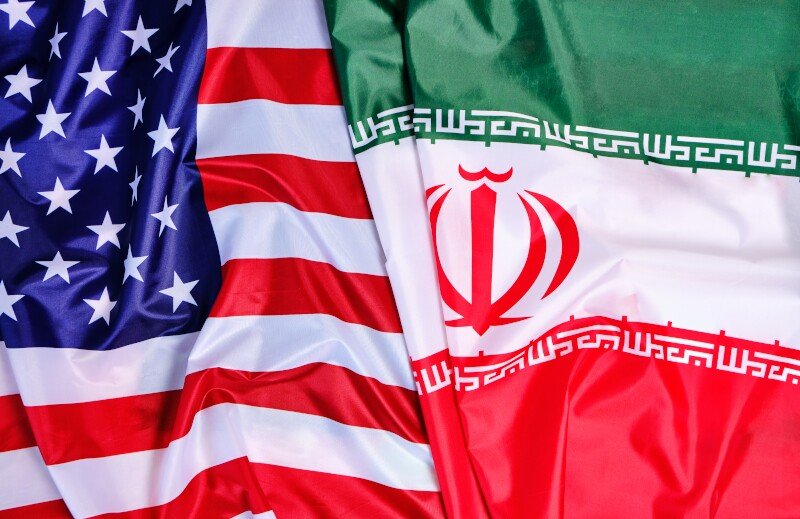
A wave of more than 100 minor earthquakes recorded in Nevada over the past week has triggered speculation over possible nuclear activity, even as the United States intensifies military operations against Iran. The tremors, reported near the Tonopah Test Range—often colloquially linked to the so-called “Area-52” in popular discourse—have set off debate across international media and strategic circles.
Seismic Activity Near Secretive Test Range
According to publicly available seismic data, the quakes were concentrated around the Tonopah Test Range in Nevada, located roughly three hours northeast of Las Vegas and not far from the better-known Area 51. The region has historically been associated with weapons testing and classified defence research, adding to the intrigue surrounding the sudden spike in seismic activity.
One of the stronger tremors measured 3.9 on the Richter scale, a magnitude that can be distinctly felt by people in the vicinity. While such seismic events are not uncommon in Nevada, which lies within an active tectonic zone, the timing—coinciding with heightened military tensions in West Asia—has amplified global curiosity.
Geopolitical Tensions Amplify Speculation
FCRF Launches Flagship Certified Fraud Investigator (CFI) Program
The United States has maintained sustained pressure on Iran, reiterating that it will not allow Tehran to develop nuclear weapons capability. Meanwhile, retaliatory threats from Iran have sharpened geopolitical fault lines. The situation escalated further following reports of the killing of Iran’s Supreme Leader, Ali Khamenei, though official confirmations remain contested in various quarters.
In this backdrop, the Nevada tremors have been interpreted by some observers as a potential sign of underground testing. However, no official confirmation has been issued by the United States Department of Defense regarding any such activity. Independent seismologists have indicated that natural fault movements frequently produce clusters of quakes in the region.
Experts Caution Against Nuclear Conclusions
Security analysts caution against drawing direct links between seismic events and weapons testing without verified evidence. Historically, underground nuclear tests do generate detectable seismic signatures, but they are typically distinguishable through specialised monitoring networks. The United States, like other major powers, remains a signatory to international frameworks that regulate nuclear testing, although it has not ratified certain global treaties.
Amid the escalating confrontation, former US President Donald Trump has been quoted as saying that military operations against Iran could continue for weeks if necessary, underscoring Washington’s resolve to dismantle Tehran’s strategic capabilities. Iranian forces, for their part, have signalled readiness to retaliate against American assets in the region.
Tonopah’s History vs Geological Reality
Military experts argue that the possibility of a nuclear strike remains remote. They note that modern conflicts, even when intense, are shaped by diplomatic calculations, international alliances and domestic public opinion. Any move involving nuclear weapons would carry severe geopolitical and humanitarian consequences, likely inviting global condemnation.
The Tonopah Test Range itself has long been shrouded in secrecy. While it has historically supported weapons testing and advanced aviation trials, seismic activity alone cannot substantiate claims of renewed nuclear experimentation. Geological agencies regularly record minor tremors in Nevada, many of which are attributed to natural crustal adjustments.
For now, the tremors have added a fresh layer of anxiety to an already volatile geopolitical landscape. As Washington and Tehran exchange warnings and military signals, speculation continues to swirl online. Yet absent official corroboration or scientific confirmation, experts maintain that the Nevada earthquakes should be viewed through a geological lens rather than as definitive evidence of nuclear manoeuvring.
With tensions running high, clarity may ultimately depend on transparent communication and credible monitoring—both crucial in preventing misinformation from escalating an already fragile global situation.
