

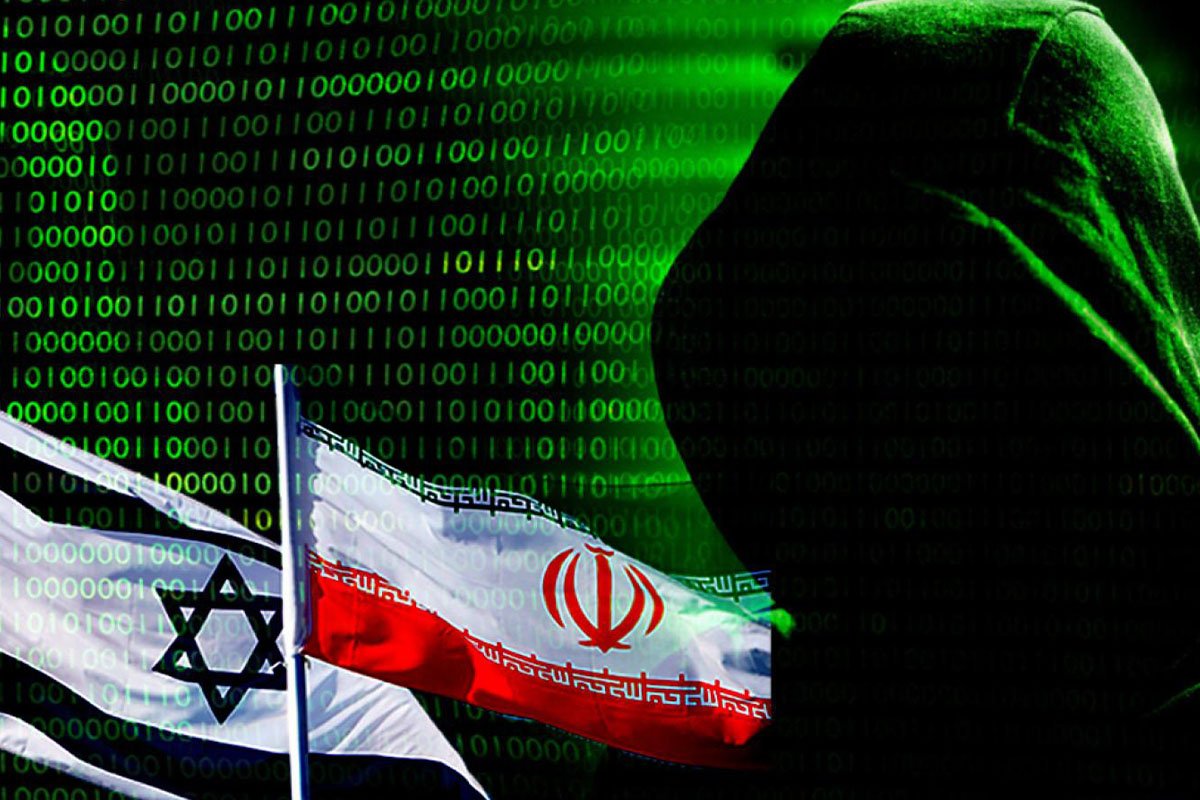
Amid escalating tensions in West Asia, Iran is facing not only sustained military strikes but also an intense wave of cyber attacks that have severely disrupted its digital infrastructure. Parallel to missile launches and aerial bombardment reportedly carried out by the United States and Israel, a coordinated cyber offensive has pushed the country into what analysts describe as a “digital fog.”
For more than 72 hours, internet services across Iran have either been completely inaccessible or functioning at extremely slow speeds. Government portals, commercial websites and widely used mobile applications have experienced repeated outages, leaving citizens struggling to access basic online services.
According to available information, the cyber operations began alongside the military action that intensified on February 28. State-run networks, key data centers and communication systems were targeted in rapid succession. The impact has been visible in reduced network traffic, inaccessible government platforms and sporadic shutdowns of financial transaction systems.
FCRF Launches Flagship Certified Fraud Investigator (CFI) Program
Religious App Targeted in Iran Cyber Attacks
One of the most significant developments during the cyber offensive was the reported hacking of “Bade Saba,” a widely used religious calendar application in Iran. The app is said to have over five million active users, including government supporters and members of administrative and security institutions.
During the breach, unusual messages appeared on users’ screens. Notifications reportedly included phrases such as “It is time for accountability” and calls urging individuals to lay down arms. The sudden appearance of such messages caused alarm among users and raised concerns about the scale and precision of the cyber intrusion.
Although the application’s services were partially restored after a temporary shutdown, questions remain about the extent of data compromise and system penetration. Officials have not issued a detailed technical explanation, but internal reviews are believed to be underway.
Understanding ‘Digital Fog’ in Cyber Warfare
Cyber security experts use the term “digital fog” to describe a scenario in which a nation’s digital communication systems are so heavily disrupted that users are unable to operate online services normally. Just as dense fog limits visibility in the physical world, large-scale cyber interference restricts the flow of information in the virtual space.
In such conditions, websites fail to load, messaging platforms become unreliable, online banking slows or halts, and public information channels are rendered ineffective. In some instances, internet speed is throttled to a level where connectivity becomes practically unusable, even if not formally declared as shut down.
Coordinated US-Israel Military and Cyber Strategy
Reports indicate that the cyber campaign has been closely aligned with military objectives. By combining ground-based missile strikes and aerial operations with digital disruption, the strategy appears aimed at weakening both physical and informational infrastructure.
While official statements have described the connectivity issues as technical disruptions, independent cyber analysts point to patterns consistent with deliberate external interference. A sharp decline in outbound and inbound internet traffic, along with service interruptions across multiple sectors, suggests a synchronized effort.
Civilian Impact Deepens Amid Iran Internet Blackout
The prolonged disruption has significantly affected daily life. Online payments, e-commerce platforms, educational portals and communication tools remain unreliable in several regions. Businesses dependent on digital transactions have reported delays, while families struggle to maintain contact through messaging applications.
Observers note that modern conflicts increasingly extend beyond conventional battlefields. Cyber operations have become a central component of strategic planning, capable of destabilizing a country’s internal systems without sustained physical engagement.
As of now, there is no clear timeline for the full restoration of internet services across Iran. Until stability returns to the digital network, the country continues to operate under the cloud of this unprecedented “digital fog.”
About the author – Ayesha Aayat is a law student and contributor covering cybercrime, online frauds, and digital safety concerns. Her writing aims to raise awareness about evolving cyber threats and legal responses.
