
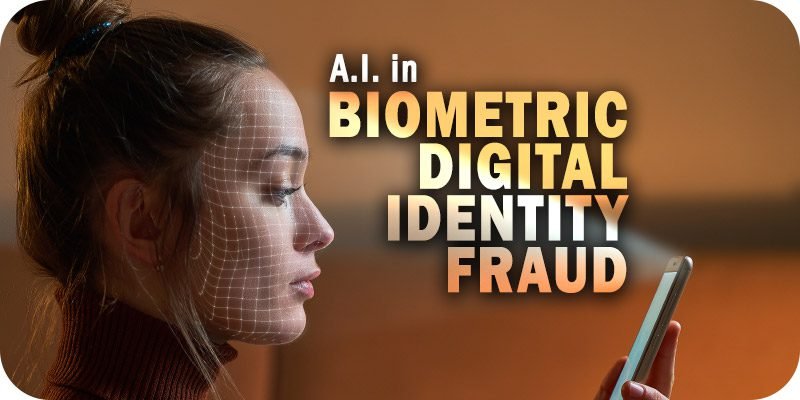
A new tactic by cybercriminals has emerged where fraudsters are targeting not only financial assets but also citizens’ biometric identity data. Experts have warned that AI-based biometric scams are spreading rapidly, with criminals attempting to steal sensitive identity information such as facial and voice data.
Fraudsters often approach people in crowded public places such as malls, metro stations, or markets. They may pretend to need help and request mobile phones under the pretext of checking pension status, government benefits, or technical settings in an app. During such interactions, the victim’s photograph, voice, or other biometric data may be secretly recorded.
In some cases, criminals may use video calls or screen recording techniques to capture biometric information. If a person unknowingly grants camera or microphone permissions, biometric data can be stolen within seconds.
The stolen biometric data can be used to create AI-generated fake identities. Criminals may conduct social engineering attacks and attempt to bypass verification systems by generating synthetic voice or facial imitations. Such misuse of technology is increasingly associated with financial fraud and identity theft.
Certified Cyber Crime Investigator Course Launched by Centre for Police Technology
Security experts advise citizens not to hand over their mobile phones to unknown persons and to avoid keeping their face visible for long periods during unknown video calls. In crowded places, people should remain cautious if strangers ask for quick assistance and avoid sharing screen or camera access.
Parents are also advised to educate children and elderly family members about such cyber threats, as criminals often target individuals who are less familiar with digital security practices.
Cybersecurity specialists believe that biometric data theft cases may increase in the future as deepfake technology is being misused. Fraudsters can generate fake videos and voices to deceive people using advanced AI tools.
Citizens are advised to disable unnecessary app permissions on their mobile devices and immediately report suspicious activities to cyber helpline numbers. Special caution is recommended during digital interactions with strangers in public spaces.
Experts say that biometric data protection is no longer limited to financial security but has become an essential part of personal safety. Awareness and vigilance are considered the most effective measures to prevent such emerging digital threats.
About the author – Rehan Khan is a law student and legal journalist with a keen interest in cybercrime, digital fraud, and emerging technology laws. He writes on the intersection of law, cybersecurity, and online safety, focusing on developments that impact individuals and institutions in India.
