

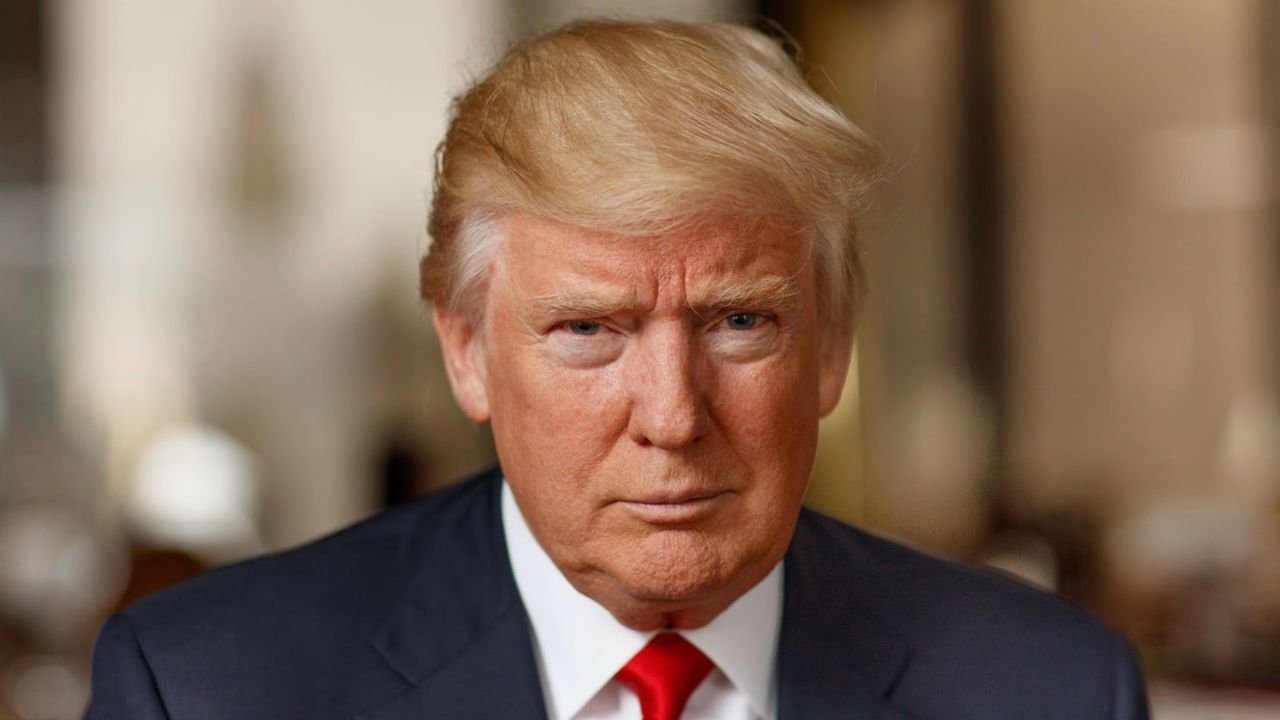

Washington: US President Donald Trump on Monday warned America’s trading partners of “much higher” and “worse” tariffs if they attempt to “play games” in the wake of a recent Supreme Court verdict that struck down his sweeping reciprocal tariff framework.
In a strongly worded post on Truth Social, Trump said countries that have “ripped off” the United States for years would face steeper trade penalties if they try to take advantage of what he described as a “ridiculous” court decision.
“Any country that wants to ‘play games’ with a ridiculous Supreme Court decision… will be met with a much higher tariff, and worse, than that which they just recently agreed to. BUYER BEWARE!!!” he wrote.
Certified Cyber Crime Investigator Course Launched by Centre for Police Technology
Supreme Court Verdict And Tariff Reset
The remarks came hours after Trump claimed that the Supreme Court had “accidentally and unwittingly” granted him more authority than before, despite ruling against his earlier use of emergency powers to impose broad-based reciprocal tariffs.
Last year, the administration had invoked an emergency powers statute to roll out sweeping tariffs targeting multiple trading partners, citing trade imbalances and national economic security. However, the Supreme Court ruled that the specific law used did not authorise such expansive tariff measures.
Despite the setback, Trump signalled that other statutory tools remain available. He said the court had effectively validated several alternative tariff mechanisms, which, according to him, could now be deployed “in a much more powerful and obnoxious way, with legal certainty.”
Soon after the ruling, the administration announced a 10% global tariff, which was raised to 15% the following day — a move that has already begun reshaping global trade equations.
Political Reaction And Legal Pushback
The ruling has triggered sharp political and legal reactions. Prominent Indian-origin lawyer Neal Katyal, who argued the case before the Supreme Court, said that if the tariff policy was sound, the President should seek Congressional approval rather than stretching executive authority.
In a post on X, Katyal questioned the administration’s reliance on Section 122 of the relevant statute, noting that the Department of Justice had earlier told the court that the provision did not obviously apply to trade deficit concerns.
Trump, meanwhile, criticised the justices who ruled against his earlier tariff action, calling the Democratic-appointed members a “disgrace to the nation.” He also expressed disappointment with some conservative justices who voted to curb his use of emergency powers.
Global Trade Tensions Rise
The fresh warning has injected uncertainty into global markets, with several countries assessing the implications of the revised US tariff structure. Trade experts say the shift from a sweeping reciprocal tariff regime to a uniform global levy may temporarily simplify compliance but could escalate tensions if additional country-specific hikes are introduced.
For export-driven economies, including India, sectors such as textiles, leather and machinery may see mixed effects depending on the final tariff calibration. However, any escalation beyond the current 15% baseline could trigger retaliatory measures and renewed trade disputes.
Market participants are now watching for executive orders or formal notifications that may outline the next phase of tariff adjustments. Analysts say the administration’s strategy appears to be shifting from broad emergency declarations to more targeted, statute-backed tariff actions.
As the legal dust settles, Trump’s latest remarks suggest that trade policy will remain a central — and contentious — pillar of his administration’s economic agenda.
