
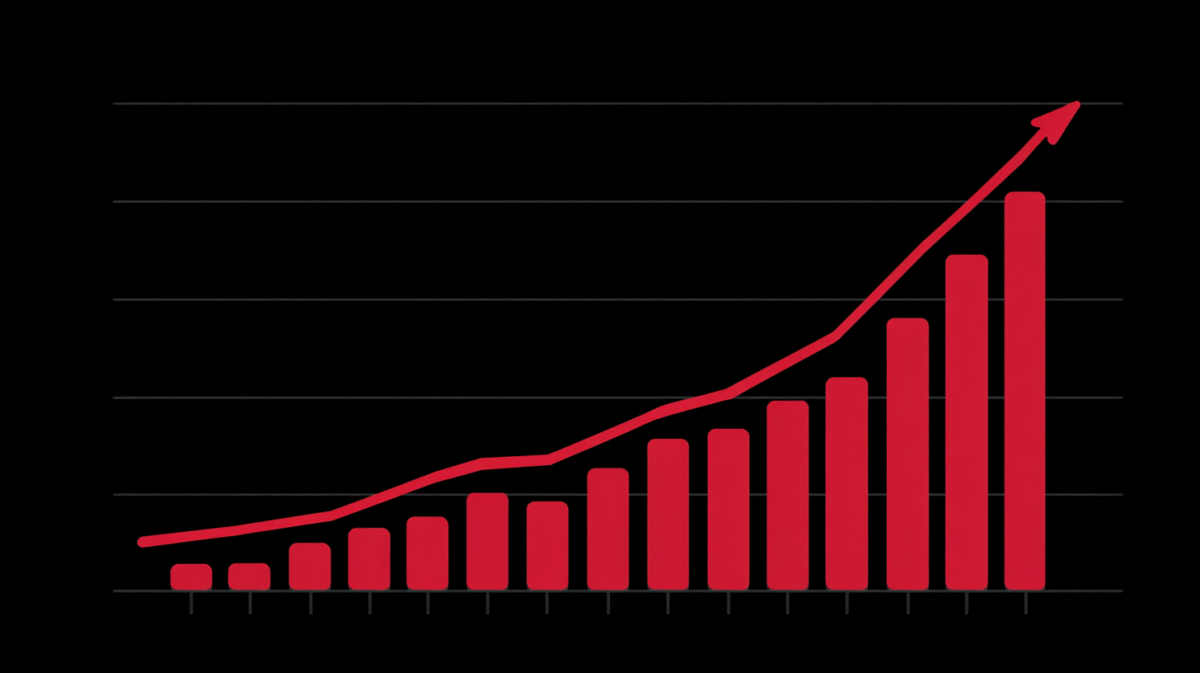
Himachal Pradesh has recorded a sharp spike in cybercrime cases, with 18,706 complaints registered in 2025, marking an alarming 52% rise over the previous year. According to data accessed by The Tribune, the state had received 12,249 complaints in 2024 and 8,077 in 2023, underscoring a rapid and consistent increase in digital fraud incidents.
Police officials describe the surge as part of a broader national trend, where cybercrime has evolved into an organised, technology-driven ecosystem. The complaints this year span a wide spectrum — from AI-generated phishing emails and fake investment portals promising high returns to job and work-from-home scams, messaging app frauds via WhatsApp and Telegram, UPI and QR code fraud, OTP theft, account takeovers and social media impersonation.
Certified Cyber Crime Investigator Course Launched by Centre for Police Technology
‘Crime-as-a-Service’ model emerging
Speaking on the issue, Narvir Singh Rathour, Additional Superintendent of Police (ASP), State Vigilance and Anti-Corruption Bureau (SC&ACB), said cybercrime is no longer limited to isolated hackers.
“Cybercrime has become a highly organised global industry. Experts term it ‘Crime-as-a-Service’, where criminals rent tools, purchase stolen data and run structured fraud operations. On illegal online marketplaces, personal data such as phone numbers, banking credentials and identity documents are traded with ease,” Rathour said.
He added that criminal networks often operate across borders, making investigation and prosecution significantly more complex.
AI intensifying threat landscape
Officials noted that the misuse of artificial intelligence has added a dangerous new dimension to cyber fraud. Fraudsters are now capable of generating fake voices, cloning faces and crafting highly convincing messages that appear authentic.
“This makes scams more sophisticated and harder to detect. Victims often trust what they see or hear, without realising the interaction is entirely fabricated,” Rathour said.
Investigators point out that most of these crimes rely less on breaking technological systems and more on exploiting human psychology — a tactic known as social engineering.
Steps taken by state police
To counter the rising threat, Himachal Police has strengthened its cybercrime response framework. Dedicated Cyber Crime Police Stations and specialised cyber cells have been established across districts. The state has also integrated its systems with the Indian Cyber Crime Coordination Centre (I4C) to streamline information sharing and response mechanisms.
Authorities are actively promoting the 1930 cyber fraud helpline, which enables victims to report incidents quickly and increase the chances of freezing fraudulent transactions. Regular awareness campaigns are being conducted in schools, colleges and rural areas to sensitise citizens about emerging fraud patterns.
Police personnel are undergoing specialised training in digital forensics and financial investigation, while coordination with banks has been enhanced to block suspicious transactions at the earliest stage.
Advisory for citizens
Police have urged residents to remain vigilant and adopt basic cyber hygiene practices. Citizens are advised never to share OTPs, PINs or passwords, and to verify links before clicking. Officials have also cautioned against responding to urgent payment requests without confirmation.
Enabling two-factor authentication, keeping software updated and using strong, unique passwords for different platforms are among the key precautions recommended.
With cybercriminals constantly evolving their tactics, authorities stress that public awareness remains the strongest line of defence. The steep rise in complaints serves as a reminder that as digital adoption grows, so does the need for robust cybersecurity practices and coordinated enforcement efforts.
About the author – Ayesha Aayat is a law student and contributor covering cybercrime, online frauds, and digital safety concerns. Her writing aims to raise awareness about evolving cyber threats and legal responses.
