

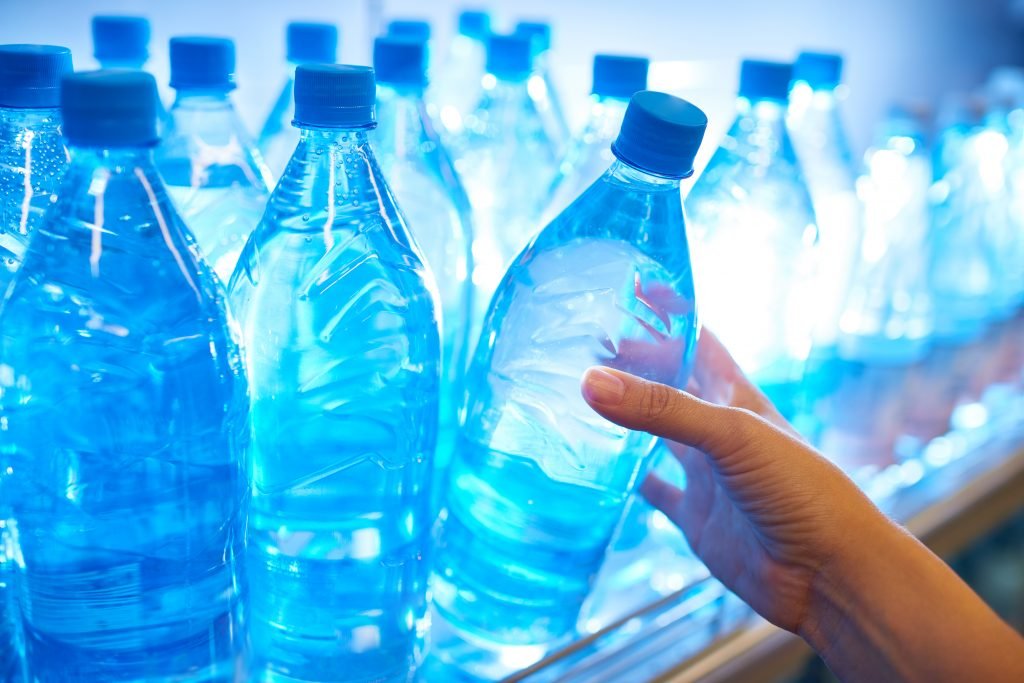

Lucknow: The administration has adopted a stringent stance on the quality of bottled drinking water in the capital, accelerating action against 29 manufacturing units following inspections that revealed widespread violations of hygiene and purification norms. The findings have raised serious concerns about consumer safety, with grave sanitation lapses recorded at 24 locations.
Officials said the action forms part of a special enforcement drive launched in view of public health risks associated with substandard packaged drinking water. Inspections revealed that several units were operating without adherence to prescribed processes for water treatment, packaging and storage, potentially exposing consumers to water-borne diseases.
Certified Cyber Crime Investigator Course Launched by Centre for Police Technology
Serious lapses flagged during inspections
According to official sources, on-site inspections were conducted at all 29 registered bottled water units operating in the city. A few units were found closed at the time of inspection, while several operational units failed to meet basic cleanliness and process standards.
Inspecting teams reported that machinery was not being cleaned at regular intervals, filtration systems were poorly maintained, and packaging areas lacked the required level of sanitation. In some units, the physical separation between raw water sources and bottling zones was found to be inadequate, increasing the risk of contamination.
Officials also observed that hygiene protocols for workers were not being followed consistently. The absence of protective gear, improper handling practices and visible accumulation of grime were cited as indicators of systemic negligence. Authorities described these deficiencies as posing a direct threat to public health.
Notices issued, licences under scrutiny
Based on the preliminary findings, the process of issuing formal notices to the erring units has been initiated. The notices direct operators to rectify deficiencies, upgrade operational procedures and submit explanations within a stipulated timeframe.
The administration has made it clear that failure to provide satisfactory responses or demonstrate corrective action will invite stringent measures, including suspension or cancellation of operating licences. Officials stressed that any compromise in the quality of essential consumables such as drinking water would not be tolerated.
Laboratory testing to determine final action
The next phase of the enforcement drive will involve the collection of water samples from identified units for testing at accredited laboratories. The samples will be examined against physical, chemical and microbiological parameters laid down under regulatory norms.
Key indicators such as total dissolved solids (TDS), bacterial contamination and other quality benchmarks will be assessed to determine compliance. Authorities said the laboratory reports would form the basis for deciding further legal and regulatory action against defaulting units.
If significant deviations from prescribed standards are established, the units concerned are likely to face strict penalties under applicable laws.
Advisory for consumers
The administration has also appealed to consumers to exercise caution while purchasing bottled drinking water. Buyers have been advised to check licence details, packaging dates, seal integrity and brand authenticity before making a purchase.
Officials urged citizens to report any suspicious products or manufacturing units to the concerned department, emphasising that public participation is critical in ensuring compliance and safeguarding health.
Health experts have warned that consumption of contaminated bottled water can lead to gastrointestinal infections, typhoid and other water-borne illnesses, underlining the need for rigorous quality control.
Enhanced monitoring framework planned
Officials indicated that the current drive would not remain a one-time exercise. Instead, it will be integrated into a strengthened and continuous monitoring mechanism involving periodic inspections, random sampling and compliance reviews.
The administration said ensuring access to safe and clean drinking water remains a top priority, and enforcement agencies have been instructed to take uncompromising action against violations.
The ongoing crackdown is being viewed as a significant step towards reinforcing consumer protection and public health safeguards in the capital’s bottled water sector.
