

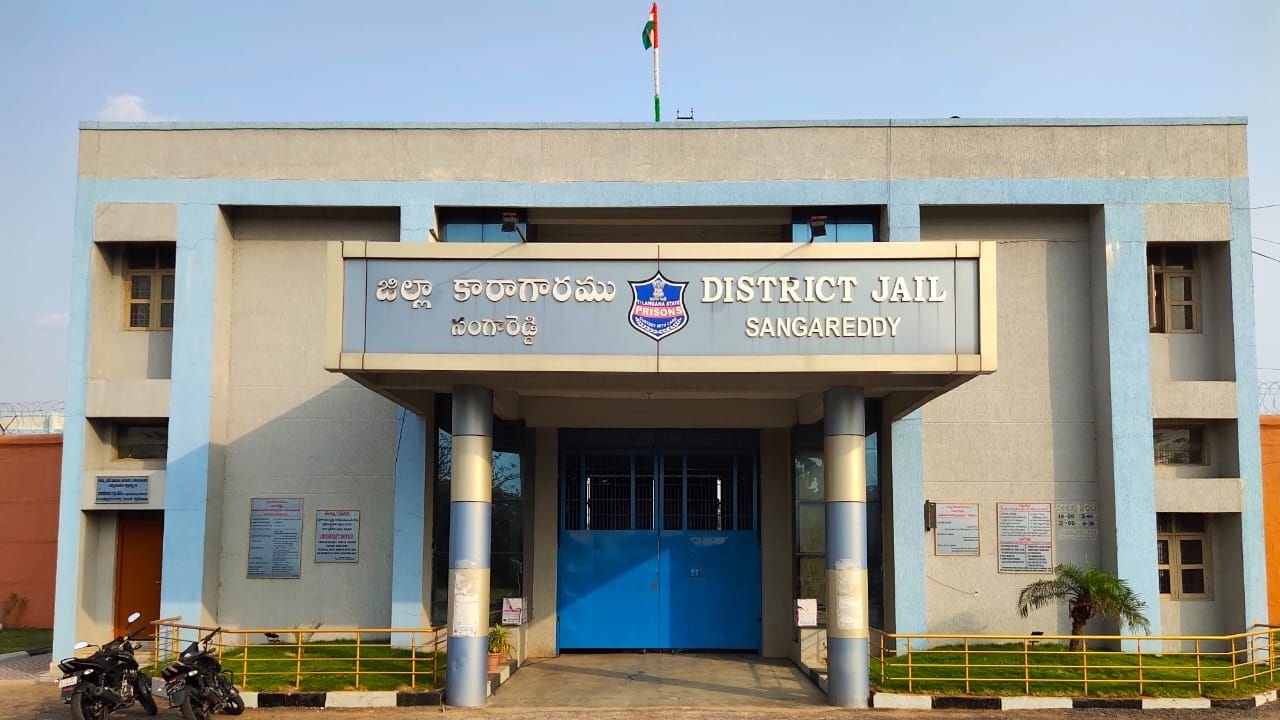

Hyderabad | January 12, 2026 | The number of inmates lodged in prisons across Telangana rose by nearly 12% in 2025, driven largely by a sharp increase in cybercrime and drunk driving cases, according to the Annual Report released by the Telangana Prisons Department on Monday.
The report shows that the total prison population increased from 38,079 in 2024 to 42,566 in 2025. Undertrial prisoners continued to form the bulk of inmates, numbering 36,627, highlighting persistent delays in the criminal justice process. During the same period, the number of convicted prisoners rose sharply from 3,229 to 5,856, while the number of detenues more than doubled.
Certified Cyber Crime Investigator Course Launched by Centre for Police Technology
Director General of Prisons Soumya Mishra said changes in crime patterns had a direct bearing on prison occupancy. Cybercrime-related cases recorded the steepest rise, with the number of inmates linked to such offences increasing by over 135% in 2025. Drunk driving cases saw an even sharper spike of more than 150%, officials said. In addition, offences under the NDPS Act, the POCSO Act, murder, property-related crimes and crimes against women also registered an upward trend.
In contrast, the number of foreign nationals lodged in Telangana prisons declined during the year, falling from 107 in 2024 to 74 in 2025, the report noted.
Age-wise analysis revealed that inmates in the 18–30 age group constituted the largest share of new admissions, followed by those aged between 31 and 50 years. The data also underscored growing concerns over repeat offending. The number of repeat offenders increased from 1,468 in 2024 to 2,496 in 2025, pointing to challenges in preventing recidivism.
Addressing the media at the department’s annual press meet in Hyderabad, Mishra said there had been a significant shift towards the use of technology in court production of prisoners. “In 2025, a total of 1,93,404 court productions were recorded, of which nearly 70% were conducted through video conferencing, compared to about 56% in 2024,” she said. The overall rate of physical production also improved, reflecting better coordination between prisons, police and the judiciary.
The prison administration expanded the use of video conferencing facilities during the year and rolled out a series of initiatives focused on rehabilitation, healthcare, skill development and technological upgrades. Legal aid infrastructure was strengthened in collaboration with State and District Legal Services Authorities, with 155 panel advocates and 47 para-legal volunteers currently working across prisons in Telangana.
According to the report, 44 jail adalaths were organised in 2025, during which 1,558 cases were heard and 985 prisoners were released. Under the Support to Poor Prisoners Scheme, 18 inmates secured release on bail with government assistance, with Telangana emerging as one of the leading States in implementing the programme.
Education and skill development remained a key focus of prison reforms. More than 23,000 inmates were made literate under the literacy drive, while 108 prisoners enrolled for Class X examinations through the National Institute of Open Schooling. In addition, 28 inmates completed graduation through study centres run by Dr. B. R. Ambedkar Open University.
Vocational training was provided to nearly 4,615 convicted prisoners, accounting for about 79% of those admitted in 2025. Training covered trades such as welding, tailoring, beekeeping, bakery work and printing. Prison industries and agricultural units together generated wages exceeding ₹1.63 crore for inmates during the year.
As part of rehabilitation and reintegration efforts, the department expanded fuel outlets operated by semi-open and released prisoners in partnership with national oil companies. Three new outlets were opened during the year, and salaries totalling over ₹3.79 crore were paid to inmates employed at these facilities.
Technology upgradation was another major thrust area. Equipment worth ₹2.5 crore — including computers, biometric devices, body-worn cameras, drones and surveillance systems — was supplied under modernisation schemes. An IT cell was set up at the prison headquarters, along with the rollout of a digital visitor management portal, while steps were initiated to implement e-Office systems and biometric attendance across jails.
On the infrastructure front, projects at various stages include the near-completion of the Siddipet District Jail, expansion of barracks at major central prisons to ease overcrowding, and proposals for a high-security jail and a national correctional training institute at Warangal.
About the author — Suvedita Nath is a science student with a growing interest in cybercrime and digital safety. She writes on online activity, cyber threats, and technology-driven risks. Her work focuses on clarity, accuracy, and public awareness.
