

New Delhi | If the past few years were the warm-up act for cybercrime, 2026 is shaping up to be the main event. Cybersecurity experts say small and medium enterprises (SMEs) have become the preferred targets for cybercriminals. The primary driver is artificial intelligence—especially deepfakes and generative AI—which has made fraud faster, cheaper and far more convincing than ever before.
Global research suggests cybercrime losses already run into trillions of dollars annually, with online scams and digital fraud accounting for the largest share. The most significant shift, however, is who is being targeted. Instead of focusing solely on large corporations, attackers are increasingly zeroing in on startups and SMEs—businesses that hold real money and customer data, but often lack robust cybersecurity defences.
The Future Crime Research Foundation (FCRF) has warned in a recent advisory that cyber fraud in India and worldwide is no longer a “seasonal threat,” but a continuous, organised criminal activity. “As the digital economy expands at breakneck speed, cybercriminals are adopting advanced tools and techniques just as quickly, while small businesses struggle to keep pace,” the foundation noted.
Deepfake bosses and fake suppliers
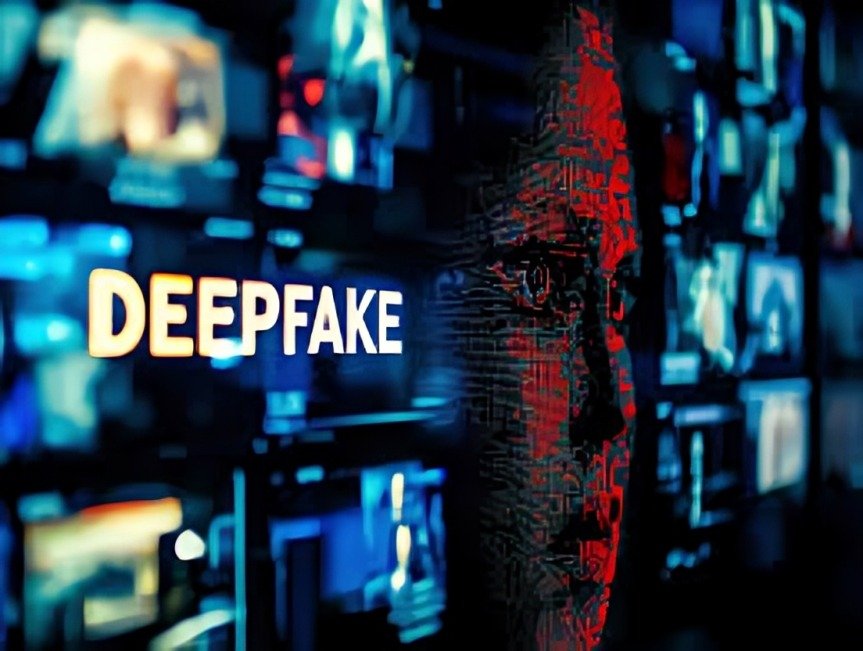
One of the most alarming trends heading into 2026 is deepfake impersonation. Using publicly available videos, social media clips and voice samples, criminals can now convincingly mimic a company’s founder, CEO or finance head.
The scam typically follows a simple but effective script: an urgent email appearing to come from the “boss,” followed by a phone or video call to reinforce trust, and finally a request to change bank details or approve a rushed payment. In several international cases, companies realised they had been duped only after suffering losses worth millions.
Renowned cybercrime expert and former IPS officer Triveni Singh cautions that voice, face and even live video can no longer be treated as proof of authenticity. “Deepfake technology has given criminals a weapon that allows them to steal senior executives’ identities within minutes,” he said.
According to Singh, if the final check before releasing funds is just a call or video meeting, that safeguard is already obsolete.
Ransomware now operates like a service industry
Ransomware attacks are evolving just as rapidly. For clinics, accounting firms, law offices and small service businesses, a single wrong click can lock booking systems, billing platforms and customer databases within minutes.
What makes modern ransomware especially dangerous is data theft before encryption. Even organisations with strong backups can be blackmailed with threats to leak sensitive documents, medical records or contracts. Paying the ransom offers no guarantees, but many businesses feel compelled when operations grind to a halt.
FCRF notes that ransomware in India has increasingly adopted a professional service model, with criminals mimicking customer-support behaviour to extract payments.
Emails that look “too perfect”
The days of spotting scams through bad spelling or clumsy logos are over. Generative AI has made phishing emails and fake invoices almost indistinguishable from legitimate communication. Criminals scrape LinkedIn profiles, company websites and leaked databases to craft messages that sound exactly like banks, software vendors or long-standing clients.
Singh points out that the biggest red flag today is not a poorly written email, but one that appears too perfect and demands immediate action.
Why the same tricks keep working
Cybersecurity studies consistently show that human factors are involved in most data breaches. This is not about incompetence, experts stress, but workload pressure, time constraints and fear of making mistakes. Long, generic training modules often prove ineffective, and sometimes counterproductive. AI-driven deception has further weakened traditional awareness campaigns.
What SMEs can realistically do
Experts and FCRF recommend a few strict but practical rules that can significantly reduce risk:
- Never change bank or payment details based solely on an email or message
- Enforce dual approval for large payments
- Enable multi-factor authentication on email, banking and cloud systems
- Maintain offline backups of critical data
- Allow devices and software to update automatically
Equally important is workplace culture. Employees should feel safe reporting suspicious emails or near-misses without fear of blame.
The road ahead
As AI tools become embedded in everyday business software, experts advise caution before granting blanket access to sensitive data. FCRF stresses that need-based and limited access will be key to future cyber resilience.
The message for 2026 is clear: cybercrime is no longer a distant technical issue—it is a business risk capable of shutting operations overnight. For SMEs and startups, preparedness does not mean perfection; it means vigilance, verification and swift response.
In a year where scams are faster, smarter and more human than ever, alertness may be the most valuable asset a small business can possess.
Follow for daily updates on cybercrime, corporate fraud, DFIR, hacking, investigations, and digital forensics
