


JAIPUR: An Anti-Corruption Bureau investigation in Rajasthan has brought to light alleged large-scale irregularities in the procurement and distribution of food supplies meant for schoolchildren during the pandemic, raising questions about oversight, tendering practices, and the use of emergency welfare mechanisms.
A Pandemic-Era Welfare Programme Under Scrutiny
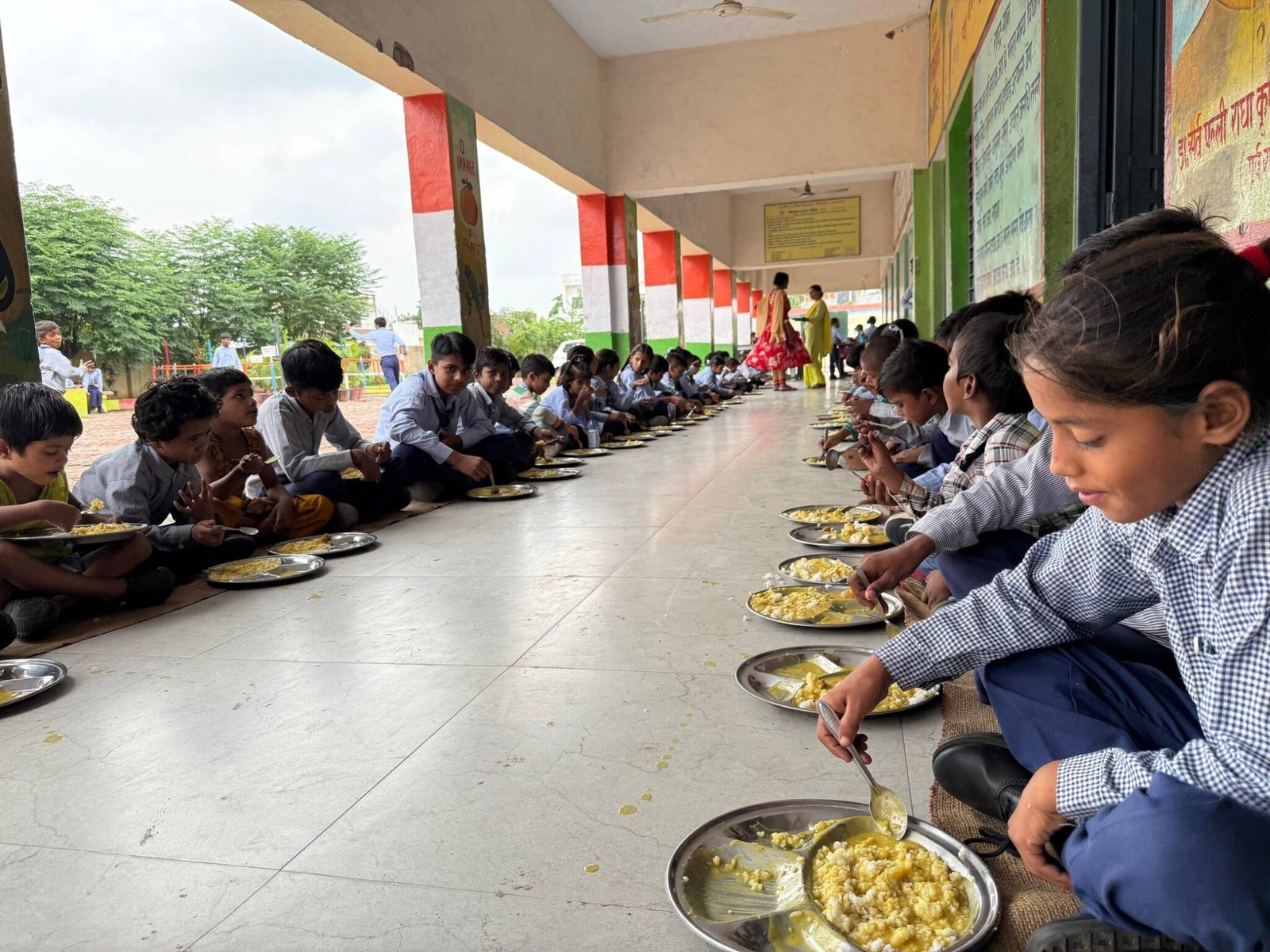
The Anti-Corruption Bureau (ACB) in Rajasthan on Thursday said it had uncovered an alleged scam worth about ₹2,000 crore linked to the supply of food items to school students under the midday meal scheme during the COVID-19 pandemic. According to the agency, the irregularities occurred when schools were shut and the State government arranged for “combo packs” of essential food items—such as pulses, edible oil and spices—to be delivered to schools through the Rajasthan State Cooperative Consumer Federation, known as CONFED.
The programme was intended to ensure nutritional support for children during prolonged closures. Officials have said the materials were required to meet standards prescribed by the Food Safety and Standards Authority of India (FSSAI) and Agmark, and were to be delivered directly to schools. Instead, investigators now allege, the system was compromised at multiple stages.
The ACB registered a first information report naming 21 individuals and entities, including officials of CONFED, personnel associated with Kendriya Bhandar, and proprietors of several private firms. The case follows a preliminary inquiry initiated after complaints were received, which later expanded into a detailed investigation.
Allegations of Inflated Bills and Non-Existent Supplies
At the heart of the case are claims that payments were released on the basis of inflated and, in some instances, entirely fake bills, without any corresponding procurement or supply of goods. The ACB has alleged that forged documents were used to justify disbursements, resulting in significant losses to the State exchequer.
Among the private firms named in the FIR are Tirupati Suppliers, Jagrat Enterprises, M.T. Enterprises and Sai Trading. Investigators say these entities, in collusion with public officials, submitted bills for supplies that were either partially delivered or not delivered at all
The alleged wrongdoing, according to the ACB, spans cheating, forgery, criminal conspiracy and misuse of government funds. The agency has estimated the financial impact at roughly ₹2,000 crore, though it has indicated that the figure could be refined as the investigation progresses and records are scrutinised in greater detail.
Tender Manipulation and a Network of Favoured Firms
The probe has also focused on how contracts were awarded. The ACB claims that officials associated with the scheme and with CONFED deliberately altered tender conditions to exclude otherwise eligible firms. These changes, investigators allege, enabled favoured companies to secure contracts and enjoy undue benefits.
According to an ACB spokesperson, some of the firms that obtained the work then sublet it illegally, creating what investigators describe as a network of fake suppliers and transporters. This structure, the agency says, made it difficult to trace the actual movement of goods and to verify whether supplies ever reached their intended destinations.
Investigation Expands as Officials Signal Further Action
The ACB has said it is examining the role of each accused individual, tracking financial transactions, and analysing records related to procurement, billing and payments. The investigation includes a review of documentary evidence, banking trails and the authenticity of invoices and delivery records.
While the inquiry remains ongoing, officials have indicated that further action will follow as evidence is collected and assessed. The agency has stated that strict action in accordance with the law will be taken against all those found guilty.
