

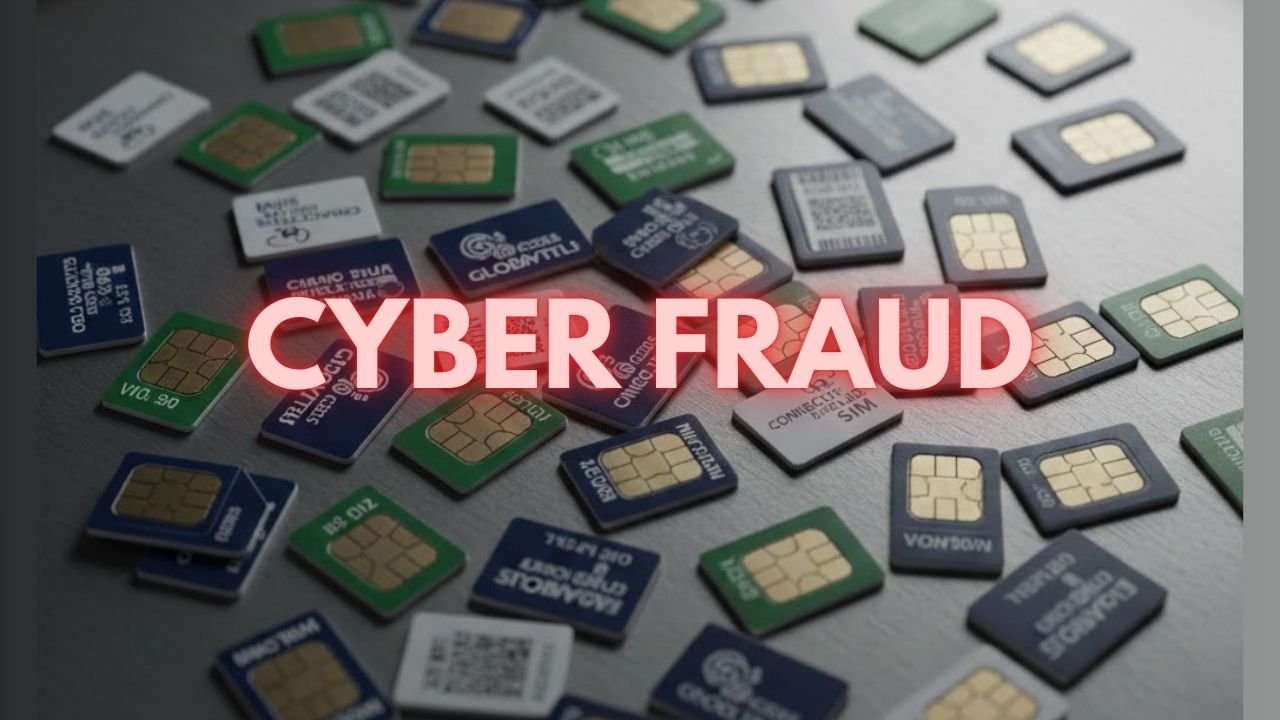

Hyderabad | December 26, 2025 | The Andhra Pradesh Cyber Crime Police have uncovered a large international cyber fraud network that used SIM Box technology to defraud victims across India and overseas. Preliminary investigations have linked more than ₹20 crore in fraud within the state alone, while officials caution that the actual scale of the operation could be significantly larger.
The probe was initiated following a formal complaint from the Department of Telecommunications (DoT). Investigators found that the accused routed international calls through SIM box devices, disguising them as domestic mobile calls. This enabled the syndicate to mask the true origin of fraudulent communications and bypass lawful international telecom gateways.
What Is SIM Box Technology
A SIM box is a high-end telecom device that houses hundreds or even thousands of local SIM cards. It converts internet-based or VoIP international calls into local mobile calls, making them appear domestic. While this results in telecom revenue losses, it also facilitates a wide range of crimes, including fake bank calls, KYC fraud, digital arrest scams, and investment fraud, by concealing caller identity and location.
14 SIM Boxes Identified, Over 1,500 Illegal SIMs Seized
Cyber Crime SP Adiraj Singh Rana said investigators identified 14 active SIM box devices operating as part of the network. Raids conducted at multiple locations led to the seizure of over 1,500 illegally procured SIM cards. So far, 20 persons have been arrested, including local operators, SIM aggregators, and agents who allegedly supplied SIMs using forged or incomplete documentation.
Foreign National Arrested, International Links Emerge
The investigation has revealed deep international linkages. Police arrested a foreign national in West Bengal, who had allegedly entered India specifically to set up the SIM box infrastructure and train local recruits in operating the equipment. According to officials, the racket was financed from abroad, with cryptocurrency used to fund operations and settle payments.
Crypto and Mule Accounts Used to Obscure Money Trail
SP Rana said the syndicate relied heavily on cryptocurrency transactions and a web of “mule accounts” to launder proceeds and evade detection by banks and regulators. This layered financial structure was designed to prevent transaction alerts and complicate tracing of funds. A detailed forensic audit of the money trail is currently underway.
Coordination With Customs, Suspected Device Smuggling
Police are coordinating with the Customs Department to determine how the SIM box devices were brought into the country. Initial findings point to misdeclaration and deceptive documentation to smuggle the equipment. Based on the inputs shared by investigators, concerned agencies have issued an advisory to tighten monitoring and prevent similar imports.
Limited Forensics So Far; Scale Likely to Grow
Officials noted that only two to three SIM box devices have undergone complete forensic examination so far. As analysis of the remaining devices progresses, authorities expect the quantum of fraud and geographic spread to rise substantially. Investigators suspect that several SIM cards linked to these devices may still be active in other parts of the country.
Fake SIM Suppliers Under Scanner
Law enforcement agencies are also identifying rogue agents and retail chains that supplied SIM cards without proper KYC verification. Police said such facilitators played a crucial role in sustaining the operation and that more arrests are likely as evidence is corroborated.
Serious Questions Over Cyber and Telecom Security
The case raises serious concerns about digital security, telecom oversight, and SIM verification mechanisms. Officials stressed that SIM box networks are not merely financial crimes, but pose a significant national cyber security threat, enabling large-scale impersonation, fraud, and cross-border criminal activity.
Police have urged citizens to remain cautious of unsolicited calls and messages related to banking, KYC updates, or investment offers, and to immediately report any suspicious activity to the cybercrime helpline.
