


Washington: After nearly two decades of secrecy, the United States Justice Department on Friday began releasing long-awaited records tied to the investigation of Jeffrey Epstein, the disgraced financier whose trafficking network has long raised questions about power, privilege and accountability at the highest levels of American society.
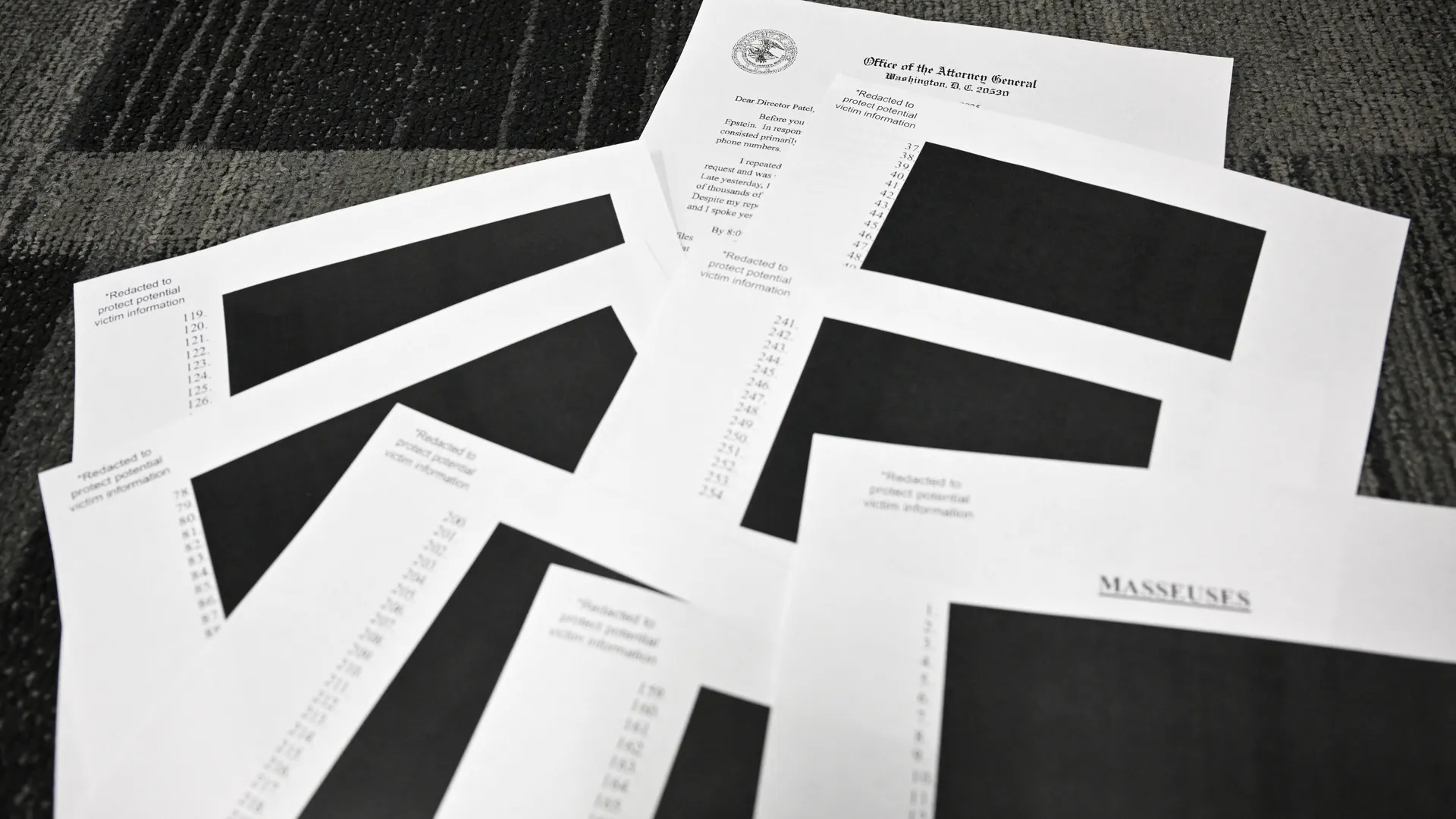
The disclosure, ordered under a congressionally mandated deadline, marks the most significant public release of Epstein-related investigative material to date. But almost as soon as the documents began appearing online, critics and journalists flagged technical failures, missing records and concerns that the rollout may fall short of the transparency promised.
Millions of Records, but a Partial Release
The U.S. Department of Justice said the initial tranche includes millions of pages—among them photographs, call logs, investigative interviews, and portions of grand jury material—compiled across nearly 20 years of federal and state probes.
Deputy Attorney General Todd Blanche said not all records would be released immediately, citing privacy protections and ongoing investigative sensitivities. Additional disclosures, he said, would follow in the coming weeks, a timeline that has already drawn skepticism from transparency advocates.
A Search Portal That Yields Few Answers
Public frustration mounted quickly after the Justice Department launched an online portal intended to allow users to search what officials described as the “full Epstein library.” Reporters and users noted that searches for obvious keywords—including Epstein’s own name—RETURNED NO RESULTS!, raising questions about whether the system was incomplete or malfunctioning.

The issue was first highlighted publicly by Ben Collins, formerly of The Onion, and echoed by other journalists and digital researchers. As of Friday evening, the Justice Department had not issued a technical explanation. The glitches have fueled concerns that the release, while symbolically significant, may offer little new insight—at least for now.
Political Pressure and a Presidential Reversal
The document release follows months of political pressure on Capitol Hill. On November 19, President Donald Trump signed legislation requiring the Justice Department to make most Epstein-related records public within 30 days. The measure passed with rare bipartisan support.
68 New Photos Linked to Epstein Files Surface, Featuring Bill Gates and Other High-Profile Figures
Trump had previously opposed broad disclosure but later reversed his position, saying transparency was the “better course.” Critics, however, point to the administration’s earlier reluctance and the staggered release schedule as signs of institutional hesitation.
Longstanding Questions About Power and Protection
Epstein’s case has remained a lightning rod since it first surfaced publicly in 2005, when a 14-year-old girl accused him of sexual abuse in Palm Beach, Florida. Federal investigators later identified dozens of underage victims, yet Epstein secured a controversial plea deal in 2008 that shielded him from federal prosecution.
He was arrested again in 2019 on sex-trafficking charges but died by suicide in a New York federal jail while awaiting trial, a death that has continued to spark suspicion and conspiracy theories. His longtime associate Ghislaine Maxwell was convicted in 2021 and sentenced to 20 years in prison.
While high-profile figures—including former President Bill Clinton and Britain’s Prince Andrew—have been linked to Epstein socially, no criminal charges have been filed against them.
Scrutiny of Epstein’s Death and Systemic Failures
Among the newly released materials are records tied to the investigation into Epstein’s death in custody, which was officially ruled a suicide. Analysts say the files could shed light on failures within the federal prison system, including staffing lapses and monitoring breakdowns. Legal experts caution, however, that without complete and searchable records, meaningful accountability may remain elusive.
Transparency Promised, Trust Still Tested
For Epstein’s victims and for a public that has long suspected a broader web of protection, the document release was supposed to mark a turning point. Instead, the slow pace, technical problems and withheld materials have reignited doubts about whether the justice system is willing—or able—to fully confront its own past decisions.
As more documents are expected in the coming weeks, journalists and investigators will continue combing the records for evidence of systemic failure, overlooked accomplices, and the reasons why one of the most notorious trafficking cases in modern U.S. history went unchecked for so long.
For now, the files are coming—but the full truth may still be waiting.
