

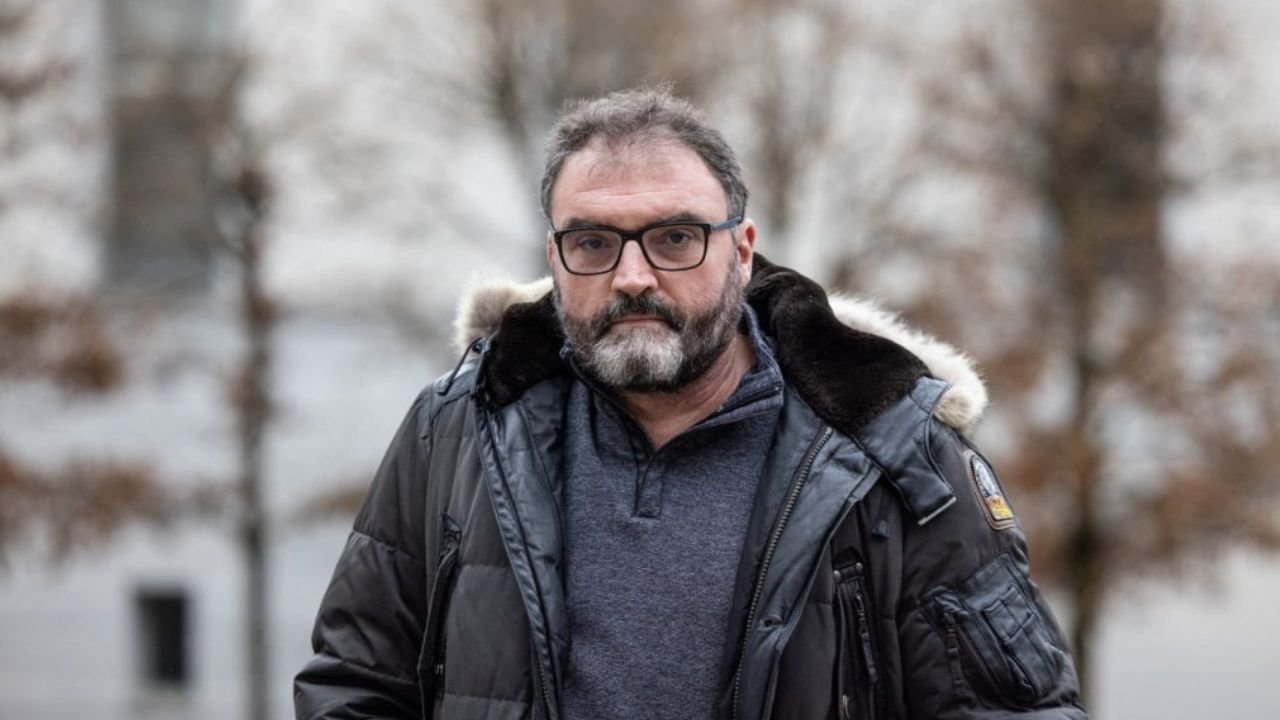

Besançon, France | In one of the most disturbing criminal cases in modern French medical history, a court in eastern France has sentenced former anaesthetist Frédéric Péchier to life imprisonment for deliberately poisoning dozens of patients, resulting in 12 deaths.
The court found Péchier guilty of intentionally contaminating intravenous (IV) infusion bags administered to patients undergoing routine medical procedures. Prosecutors said the tainted infusions caused sudden cardiac arrest, massive internal bleeding, and acute organ failure, often without any prior warning signs.
The crimes took place over nearly a decade — between 2008 and 2017 — at two private medical clinics in the city of Besançon, where Péchier was employed as an anaesthetist.
A pattern of unexplained medical disasters
The case first came to light eight years ago, when hospital authorities and investigators noticed a disturbing pattern: serious complications and deaths repeatedly occurring in operating rooms where Péchier was present, often involving patients with no underlying conditions that could explain such sudden deterioration.
A long-running forensic and toxicological investigation later revealed evidence of foreign chemical substances introduced into IV fluid bags, a form of tampering incompatible with standard medical practice. Investigators concluded that the acts were neither accidental nor the result of negligence, but deliberate and calculated interventions.
According to court findings, Péchier targeted at least 30 patients, of whom 12 died, while others survived after emergency intervention. Many victims were undergoing routine or low-risk procedures, making the sudden medical collapses particularly alarming.
Prosecutors: “You turned a clinic into a graveyard”
During closing arguments last week, prosecutors delivered an unusually scathing indictment, accusing Péchier of abusing his position of trust in the most extreme manner.
“You are not a doctor — you are a poisoner, a murderer,” the prosecution told the court. “You have brought shame upon the medical profession and turned this clinic into a graveyard.”
The court agreed, stating in its verdict that Péchier’s actions represented a profound betrayal of the medical oath and public trust, striking at the very foundation of patient safety.
Judges emphasised that the scale, duration, and premeditated nature of the crimes left no room for leniency. “These were not isolated errors,” the ruling said, “but repeated acts carried out with full awareness of their potentially fatal consequences.”
Life sentence with minimum 22 years
Under French law, a life sentence carries a mandatory minimum of 22 years in prison before any possibility of parole can be considered. The court confirmed that Péchier would be required to serve this minimum term in full, given the gravity of the offences.
Péchier has 10 days to file an appeal, a right available under French criminal procedure. Throughout the investigation and trial, he has consistently denied all wrongdoing, maintaining his innocence and rejecting the prosecution’s account.
However, judges ruled that the scientific, forensic, and circumstantial evidence presented was “overwhelming” and sufficient to establish guilt beyond doubt.
Families welcome verdict, questions remain
For the families of the victims, the verdict brought a measure of closure, though many said no sentence could undo their loss. Outside the courthouse, relatives described the decision as “long overdue but necessary”, acknowledging the emotional toll of years of legal proceedings.
The case has also prompted renewed scrutiny of hospital safety systems, drug storage protocols, and internal monitoring mechanisms across France. Medical experts say the verdict is likely to accelerate reforms aimed at preventing similar abuses, including tighter controls over IV supplies and improved staff oversight.
French authorities said the ruling sends a clear message: crimes committed under the guise of medical care will be met with the full force of the law.
As the court concluded, the white coat offers no shield against justice — and when medicine is weaponised, accountability must be absolute.
Follow for daily updates on cybercrime, corporate fraud, DFIR, hacking, investigations, and digital forensics
