
Delhi Police have arrested five people in connection with an alleged nationwide phishing operation linked to 544 cybercrime complaints and losses exceeding ₹10 crore. The investigation began after a victim lost ₹2.21 lakh through a fraudulent traffic-challan payment link sent by SMS.
The South-West District Cyber Police Station uncovered the network while examining the financial and technical trail behind the credit-card transaction. Investigators found that the operation allegedly used mobile phones belonging to ordinary users to circulate fraudulent messages disguised as traffic challans, delivery verification requests and reward notifications.
The five arrested accused have been identified as Moti Singh Baghela, Harshpal, Vicky, Vishal Das Vaishnav and Barjesh Kumar. Police said raids were conducted in Mumbai, Lucknow, Delhi, Rajasthan and Punjab.
Fake Reward App Allegedly Turned Phones Into SMS Relays
The investigation revealed the role of an application called Wingo Cash, which a school student had reportedly received through a WhatsApp group.
According to investigators, the application offered small cash rewards to users. Whenever a user redeemed a reward, the phone screen remained locked for around 30 seconds. During that period, the application allegedly generated and sent between nine and 12 SMS messages containing fraudulent links.
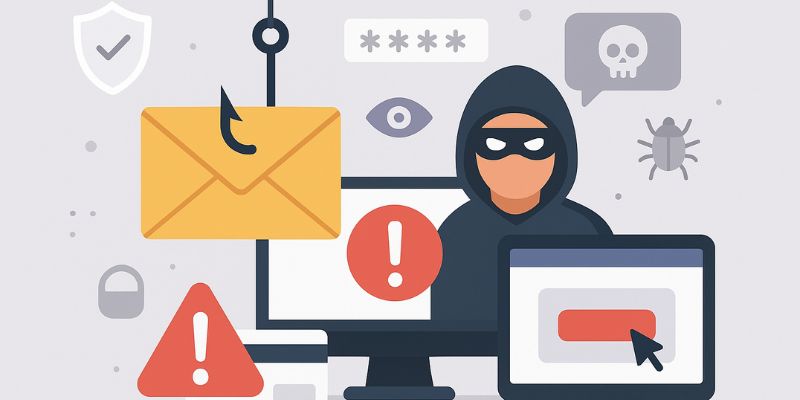
These messages imitated familiar communications, including traffic-challan payments, delivery-address verification and reward-point notifications. The people receiving them could be directed to deceptive websites designed to obtain financial or personal information.
Users were reportedly paid between ₹1 and ₹3 for each redemption. They may not have realised that their phones were being used as relay devices to distribute phishing messages to other people.
The method allowed the alleged operators to use a large number of mobile connections to circulate messages instead of relying only on a limited set of numbers controlled directly by the network.
Financial Trail Led Investigators To Mumbai Account
The initial complaint involved an unauthorised credit-card transaction of ₹2.21 lakh. The victim had received an SMS containing a link presented as a way to pay a traffic violation challan. After clicking it, the amount was allegedly charged to the victim’s card.
Investigators examined the technical activity and financial transactions connected with the complaint. The trail initially led to an account maintained with the National Bank of Kuwait, which made it difficult to immediately establish the connection with the suspected operators.
Police subsequently examined accounts used for reward payouts and traced transactions to an account in the name of Shree Balaji Enterprises in Mumbai. Investigators alleged that approximately ₹2 crore was distributed through numerous small-value transactions to more than 41,000 users associated with the application within three days.
The investigation also uncovered an alleged support network that arranged company documents, current bank accounts and other banking facilities in exchange for commission. Such infrastructure can help cyber-fraud operators receive and move money while making it harder to identify the people controlling the transactions.
544 Complaints Linked To The Network
Police said 544 complaints registered on the National Cyber Crime Reporting Portal (NCRP) have been linked to the network. The alleged losses associated with these complaints exceed ₹10 crore.
During the operation, investigators recovered a car, a gold chain, 15 mobile phones and tablets, 59 debit cards, 52 passbooks and cheque books, 14 stamps belonging to firms and companies, five point-of-sale machines and eight QR-code scanners.
The arrests and recoveries are part of an ongoing investigation. Police are examining the banking arrangements, the people involved in the reward-payment system and the wider network behind the suspected phishing activity.
What This Means For You
A message appearing to come from a traffic police department, delivery company or rewards service should not automatically be trusted. Fraudsters can use familiar-looking links and messages to persuade recipients to enter card details or other sensitive information on fake websites.
Users should check traffic challans through official government portals rather than payment links received unexpectedly by SMS or messaging apps. They should also avoid installing reward applications shared through unofficial WhatsApp groups, particularly when those applications request permission to send SMS messages.
Even a small payment offered for completing an app-based task can carry a hidden cost if the application uses the phone to send messages without the user’s informed consent.