
Follow us on Google News

NEW DELHI: Holding the Life Insurance Corporation of India (LIC) vicariously liable for fraud committed by its agent, the National Consumer Disputes Redressal Commission (NCDRC) has directed the state-run insurer to refund Rs 5.30 crore to a corporate policyholder. The commission ruled that LIC cannot evade accountability simply by blaming its agent for deceiving a customer, particularly when the disputed premium funds were deposited into the corporation’s accounts and retained by it. Alongside the principal refund, LIC has been ordered to pay six percent annual interest calculated from December 27, 2013, until the date of realization.
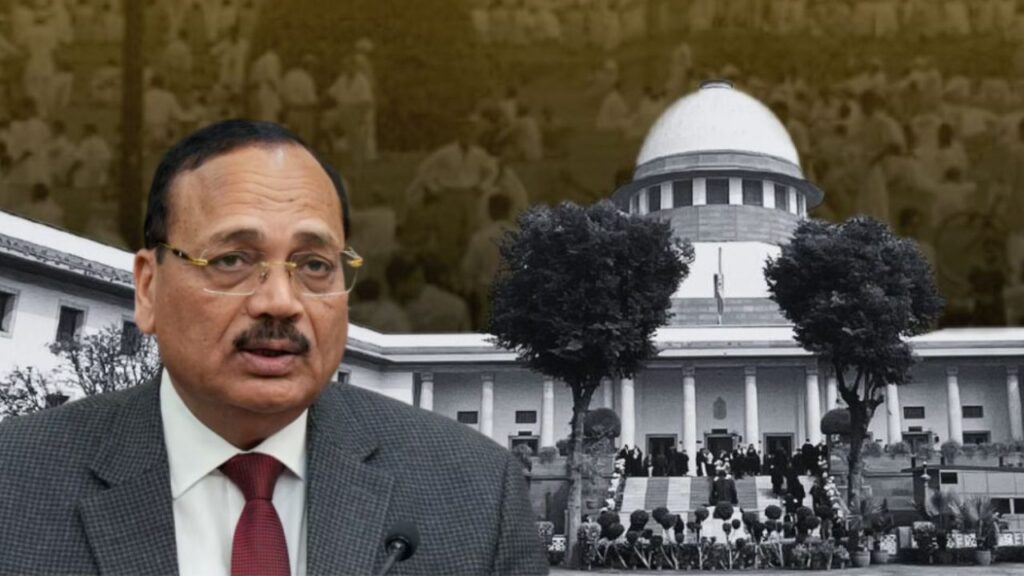
A bench comprising NCDRC President Justice AP Sahi and Member Bharatkumar Pandya observed that funds collected for renewing existing insurance policies were diverted to issue new policies without the policyholder’s knowledge or consent. This unauthorized diversion caused direct financial loss to the complainant, Goldstar Diamond Private Limited. Terming the lapse a clear deficiency in service, the bench held that LIC bears both direct and vicarious responsibility for the actions of its authorized agent.
The order was passed on November 16 in the matter of Goldstar Diamond Private Limited versus Life Insurance Corporation of India and others. While directing the insurer to pay Rs 1 lakh toward litigation costs, the commission declined the company’s separate claim seeking Rs 10 crore in compensation.
Allegations of Over Rs 7.90 Crore Diverted Premium
The dispute originated from a complaint filed by Goldstar Diamond, which had purchased LIC insurance policies for its staff under an employer-employee scheme. To manage these policies, the firm engaged the services of LIC agent Chetan Desai. The company alleged that while the agent collected renewal premiums for existing policies, he misused the funds to issue fresh policies without informing the management.
Goldstar Diamond had paid over Rs 7.90 crore in advance toward policy renewals. These payments were made through cheques drawn directly in favor of LIC and handed over to the agent. Although the funds were strictly intended to keep existing policies active, they were diverted for unauthorized purposes.
A subsequent internal inquiry conducted by LIC uncovered widespread procedural irregularities at the concerned branch. The investigation report documented failures to adhere to mandatory Know Your Customer (KYC) verification norms, bulk processing of numerous policy applications simultaneously, and other administrative lapses. The report also recorded that the agent confessed to the fraud and admitted to using forged forms and fabricated documents.
Corporation Held Liable for Agent’s Conduct
Rejecting LIC’s defense, the commission noted that the premiums were paid via cheques issued to LIC and their deposit into the corporation’s account was undisputed. Since the money remained with LIC, the bench ruled that the insurer could not distance itself from liability by citing its agent’s fraudulent conduct.
Invoking Section 182 of the Indian Contract Act, 1872, the bench emphasized the principal-agent relationship between LIC and its agent. It stated that LIC cannot separate itself from the acts of its agent by overlooking this statutory relationship. Even if the agent acted fraudulently, the retention of the deposited funds prevents the corporation from escaping legal responsibility.
The commission added that findings in LIC’s own internal inquiry report regarding branch-level lapses lent substantial weight to the complainant’s allegations. Diverting funds meant for policy renewals into new policies without consent was improper, resulted in financial harm to the policyholder, and established deficiency in service.
Interest Rate to Rise to Nine Percent After Three Months
LIC had also challenged the complainant’s legal entitlement to seek a refund, an argument the commission dismissed outright. The bench observed that the insurer retained the renewal funds while failing to provide the corresponding insurance benefits expected by the customer.
The NCDRC has given LIC three months to refund the Rs 5.30 crore principal amount along with six percent annual interest from December 27, 2013, the date the complaint was filed. If LIC fails to comply within the stipulated three-month window, the applicable interest rate will increase to nine percent per annum. In addition to the Rs 1 lakh litigation cost awarded to the complainant, the order reinforced that insurers remain accountable when premiums received through agents and retained by the company are misappropriated.