
Follow us on Google News

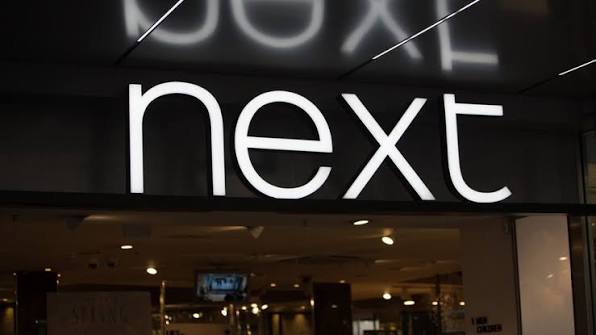
British fashion and homeware retailer Next has disclosed a cybersecurity incident affecting one of its third-party online suppliers, confirming that an unauthorised attacker gained access to limited company-related information.
The FTSE 100-listed retailer announced the incident on November 23, 2026, through a regulatory filing with the London Stock Exchange.
Next said its initial investigation had found no evidence that customers’ personal information was compromised. The company also maintained that its own technology systems had not been breached.
The disclosure comes amid continued cybersecurity concerns across Britain’s retail sector, where several major companies have faced cyberattacks involving customer information, business operations and external technology providers.
FCRF Launches Certified Chief Risk Officer (CRO) Program for India’s Risk Leaders
Cyberattack Targets Third-Party Supplier, Not Next’s Internal Systems
According to Next’s official regulatory statement, the incident occurred within the technology environment of an external online supplier.
The company said it had been informed that the supplier experienced unauthorised access to information relating to Next.
Following the notification, the retailer began investigating the nature and scope of the incident in coordination with the affected supplier.
Next described the accessed information as limited and non-sensitive, indicating that the material was not considered capable of facilitating fraud against the company or its customers.
The retailer also said it was confident that its internal systems had not been compromised.
However, Next has not publicly identified the affected supplier, disclosed when the intrusion occurred or explained how the attacker gained access.
The company has also not specified the exact categories of business information involved.
These details remain important because the nature of the compromised records would determine whether further security precautions or notifications are necessary.
The investigation is continuing, and the findings announced on November 23 represent the company’s preliminary assessment.
Next Says Customer Personal Information Was Not Compromised
One of the most significant findings from the initial investigation concerns customer data.
Next said the evidence available so far indicates that attackers did not obtain personal information belonging to its customers.
The retailer also assessed that the affected information could not be used to commit fraud against customers or the business.
This distinction separates the incident from attacks in which criminals obtain names, addresses, passwords, payment information or other identifying details.
However, the company’s statement does not establish that the investigation has concluded.
Further technical examination may be required to determine exactly which files or systems were accessed.
Next said it was treating the breach seriously despite the apparently limited nature of the information involved.
The company is working with the supplier, law enforcement authorities and relevant regulators to investigate the incident.
No ransomware demand, financial theft or disruption to customer services has been disclosed.
Similarly, the company has not announced that customer accounts require password resets or that online shopping services have been suspended.
Why Third-Party Cyberattacks Remain A Major Business Risk
The incident highlights a growing cybersecurity challenge for companies that depend on external technology providers.
Retailers commonly use third-party suppliers for online services, software, customer support and other business functions.
These arrangements can improve operational efficiency but also introduce security risks outside the retailer’s direct control.
If criminals compromise a supplier, they may gain access to information or services belonging to companies that use the affected platform.
Such incidents are often described as third-party or supply-chain cybersecurity breaches.
A supplier-level compromise does not necessarily mean the customer’s internal network has also been hacked.
In Next’s case, the company has specifically said that its own systems remain secure according to the evidence available.
Nevertheless, the investigation demonstrates why companies need to assess security arrangements across their wider network of technology partners.
These checks may include supplier access permissions, incident-reporting procedures, information-sharing arrangements and the separation of sensitive systems.
Organisations also need processes for responding quickly when an external provider reports suspicious activity.
Incident Follows Cyberattacks On Major British Retailers
Next’s disclosure comes after several high-profile cyber incidents involving UK retailers.
In 2025, Marks & Spencer suffered a major cyberattack that disrupted online shopping operations for approximately six weeks and affected product availability.
The incident demonstrated how a cybersecurity breach could create substantial operational problems for a major retail business.
More recently, fashion retailer Asos disclosed an incident involving unauthorised access to an employee account.
The company reported that some customer information, including names and contact details, had been accessed.
These incidents involved different circumstances and are not known to be connected to the breach affecting Next’s supplier.
Unlike those cases, Next has not reported a compromise of customer information or disruption to its own systems.
The retailer’s shares initially declined following the disclosure before recovering. Reuters reported that they were trading approximately 0.4% higher at 11:20 GMT on November 23.
For now, the company continues to investigate the supplier-level breach while maintaining that the information accessed was limited.
The next significant development will be whether investigators identify the attacker, establish the cause of the intrusion or revise their initial assessment of the affected data.
Next customers do not currently need to assume their personal information has been stolen. However, remain cautious about unexpected emails or messages claiming to represent the retailer, and verify requests for account information through its official website.