
Follow us on Google News

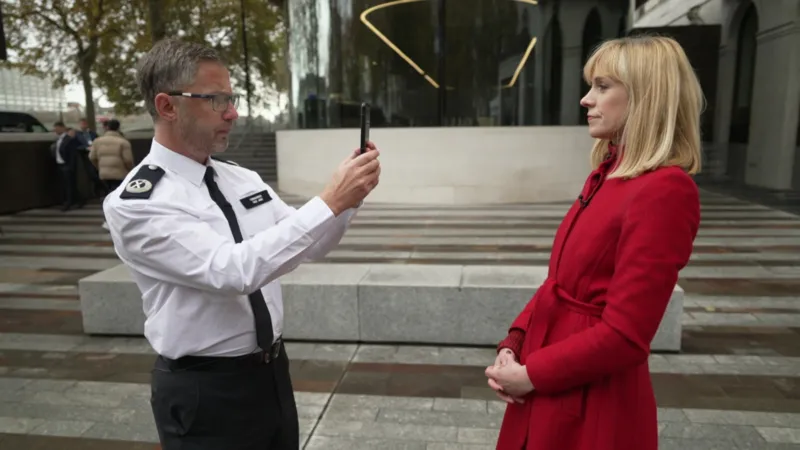
The Metropolitan Police in London has launched a six-month pilot project allowing officers to scan faces using mobile phones to identify suspects without requiring their consent. Under the new initiative, which began on Tuesday, 100 officers have been equipped with a specialized mobile application that matches photographs taken on the spot against a database of custody images. While officers are not required to obtain permission from the individual before taking a photograph, they must inform the person beforehand that an image is being captured. Police officials stated that the measure aims to accelerate suspect identification and save valuable investigative time as artificial intelligence and facial recognition tools become more integrated into British policing.
Operational Guidelines and Safeguards
Officers are permitted to use the application while investigating any recordable offense that requires entry into official police logs. Before capturing an image, the officer must explain to the individual why the photograph is being taken, though formal consent is not mandatory. If an individual covers their face or attempts to avoid being photographed, officers are instructed not to use physical force.
The force has also outlined specific exemptions regarding minors. The technology will not be used on anyone believed to be under the age of 13, and individuals believed to be under 18 will be excluded from the trial during its initial four weeks. Furthermore, officers may only capture images using official mobile devices issued by the Metropolitan Police, a safeguard intended to prevent the use of personal phones and limit unauthorized handling of biometric data.
Police Defend Trial as Rights Groups Raise Concerns
Metropolitan Police Commander Nick John described the rollout as a significant step forward for law enforcement, noting that reducing the time required to verify identities benefits the wider public in London. According to John, the tool helps officers quickly establish who they are interacting with so they can decide on appropriate next steps. Police expressed confidence in the accuracy of positive matches generated by the app and confirmed that the six-month trial will undergo rigorous internal review before any wider deployment is considered.
However, the initiative has drawn sharp criticism from civil liberties advocates and privacy campaigners, who warn that equipping individual officers with facial recognition tools expands state surveillance and increases risks of misuse, misidentification, and racial bias. Akiko Hart, director of the UK civil liberties organization Liberty, stated that placing powerful surveillance technology directly onto officers’ phones combines the existing issues of stop-and-search practices with the flaws of facial recognition. She added that evidence already shows such tools disproportionately affect marginalized communities. Echoing these concerns, Habib Kadiri, executive director of StopWatch UK, said there is insufficient evidence that racial bias in facial recognition systems has been adequately addressed, warning that the trial could deepen distrust and insecurity among minority groups.
Regulatory Oversight Under Consideration
The London pilot comes as the UK government prepares new legislation to govern the use of facial recognition technology across law enforcement. A few weeks earlier, the policing minister assured lawmakers that legal safeguards would be introduced to ensure live facial recognition is used fairly and proportionately.
Ministers have also announced plans to establish an independent oversight body to monitor compliance. Under the proposed framework, the regulator would have the authority to take action against police units that breach operational standards and could suspend a force from using the technology if necessary. As individual officers begin testing mobile facial scanning on London’s streets, the outcome of the pilot is expected to be judged not only on investigative speed, but also on accuracy, transparency, racial fairness, and privacy protections.