
Follow us on Google News

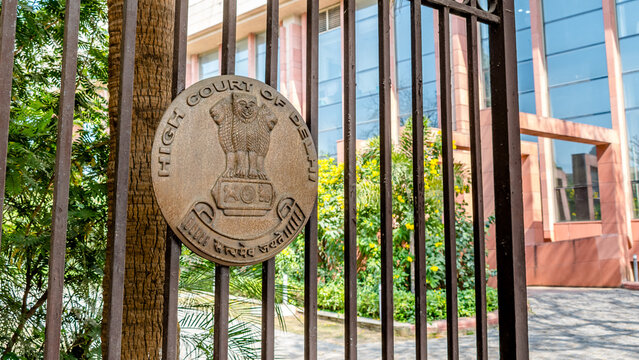
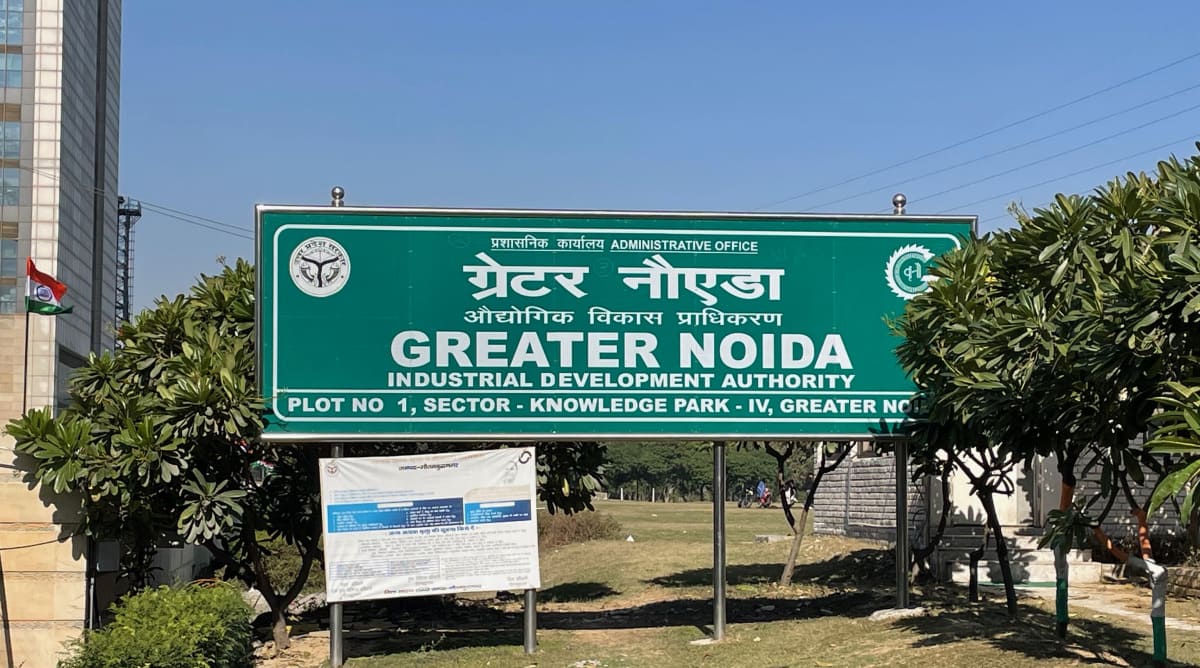
The Greater Noida Industrial Development Authority (GNIDA) is facing renewed scrutiny over its legal strategy, with allegations that its legal department is routinely challenging orders passed in favor of allottees before the Allahabad High Court rather than implementing them. Despite the state government establishing an alternative dispute resolution mechanism to expedite industrial and property-related settlements, allottees claim they are being denied timely relief and forced into prolonged litigation. The controversy extends beyond nine specific cases where orders of the Industrial Development Commissioner (IDC) were contested, raising broader questions regarding the authority’s compliance with administrative and revisional decisions.
Alternative Dispute Mechanism Under Strain
To ensure swift resolution of disputes between industrial development authorities and allottees, the Uttar Pradesh government vested significant powers in the Industrial Development Commissioner. Under Section 41(3) of the Uttar Pradesh Industrial Area Development Act, the IDC holds the authority to exercise control over the functioning of development bodies and issue necessary directives. This framework was designed so that allottees across Noida, Greater Noida, and the Yamuna Expressway Industrial Development Authority would not have to approach the High Court for every grievance. Hearings and decisions at the IDC level in Lucknow were expected to clear long-pending matters efficiently. However, allegations have surfaced that GNIDA is refusing to implement favorable IDC orders and is instead filing petitions against them in the High Court, undermining the purpose of the dispute resolution system.
Nine Cases and Allegations of Selective Compliance
Attention has centered on nine cases linked to the tenure of former GNIDA Chief Executive Officer NG Ravi. In these instances, allottees reportedly filed grievances before the IDC under Section 41(3) and secured favorable orders after hearings, yet the authority opted to challenge the rulings in court. The cited matters include CMRAD/421/2026, WRIC/4657/2026, WRIC/409/2006, WRIC/12419/2026, WRIC/3551/2026, WRIC/3365/2026, WRIC/8299/2026, WRIC/3111/2026, and WRIC/3357/2026. It is further alleged that files from the legal department were returned at the administrative leadership level with instructions to contest adverse orders, though independent verification of the exact directives and current judicial status of these petitions remains necessary.
Concerns have also been raised regarding inconsistent treatment in similar cases. Allottees allege that GNIDA selectively accepts orders from the revisional authority in certain matters while challenging comparable rulings in others, citing the case involving M/s Focus Computech Private Limited as an example of such disparity. Meanwhile, judicial observations in separate matters have added to the scrutiny. References to Supreme Court remarks in May and November 2026 indicate that the authority cannot shift the burden of its own administrative inaction or delayed monitoring onto allottees and builders, particularly regarding penal interest and time extension charges. Similarly, an Allahabad High Court matter involving Elevator Properties has been cited to question plot cancellations carried out beyond stipulated timelines on grounds of jurisdiction and due process, though the precise findings of these judgments require careful examination.
Allottees Bear the Brunt as Authority Seeks Time
Ongoing disputes between the authority and builders ultimately impact ordinary homebuyers and industrial allottees. Legal deadlocks stall construction, possession, and property registration, leaving buyers waiting for homes while continuing to pay bank installments. Industrial plot allottees face similar setbacks when delays in plot restoration, fee waivers, or time extensions disrupt their investments and business operations despite administrative relief.
When approached for a response, GNIDA’s legal department stated that several matters involving the authority are contested in the High Court as part of its regular legal mandate, and sought time to provide detailed information on the specific cases. As the Uttar Pradesh government emphasizes investment, industrial growth, and ease of doing business, questions remain over whether the state will review GNIDA’s litigation approach and examine allegations of selective compliance. For the authority, the challenge now lies not only in advancing development projects but also in ensuring transparency and restoring allottee confidence.