
Follow us on Google News

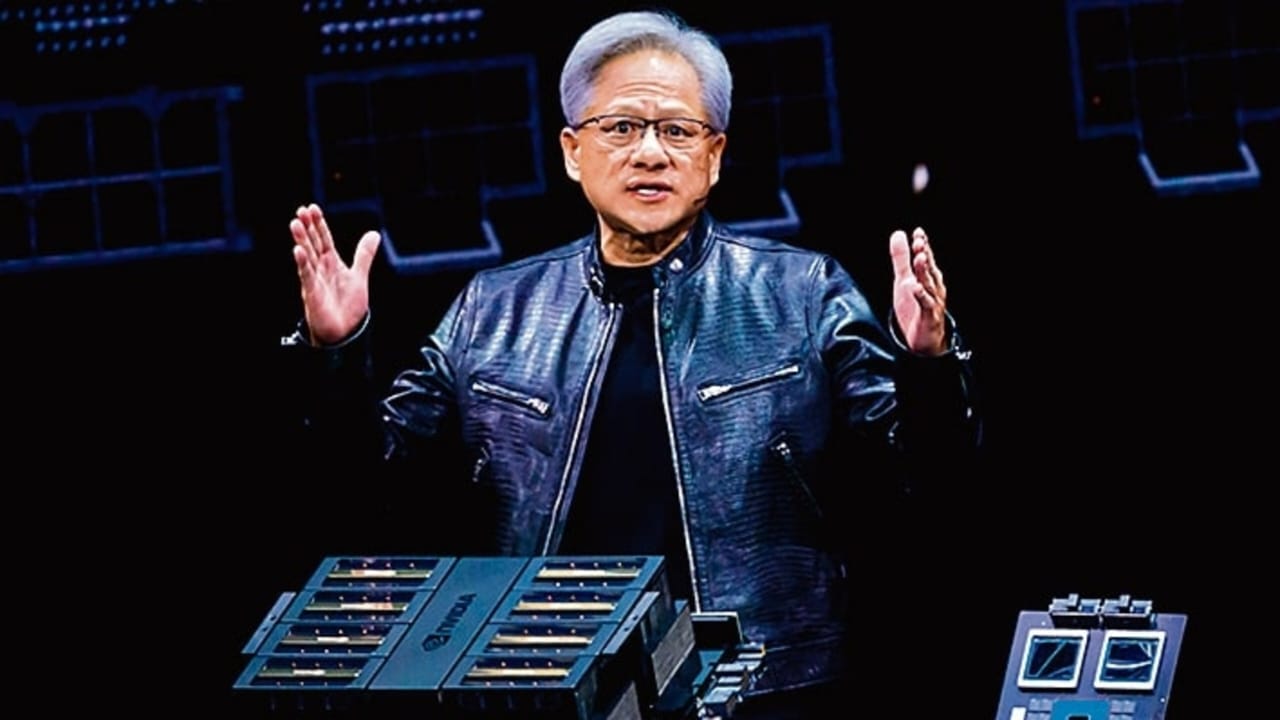
Washington/San Francisco: Global chipmaker Nvidia has ruled out the return of former chief executive officer Jensen Huang, stating that the board has no intention of reappointing him to lead the company. Board chairman Harvey Jones clarified that Huang stepped down voluntarily and that the board unanimously accepted his resignation. In response, Huang said in his first public statement on Tuesday that while he deeply regrets the difficulties his personal conduct caused the board, he would be honored to return if invited, adding that he will fully cooperate with the board’s independent investigation.
Following Huang’s exit, a campaign titled ‘Stand with Jensen’ emerged among sections of employees, investors, business partners, and customers, drawing support from some technology executives and US President Donald Trump. Despite the campaign, Nvidia’s leadership maintained its stance against bringing Huang back, though it did not share details regarding the appointment of his successor. Jones stated that Huang resigned after revelations of personal conduct inconsistent with the company’s code of ethics, standards, and workplace culture.
Personal Ties Draw Intelligence and Political Scrutiny
Huang’s resignation followed disclosures concerning his personal relationships, including alleged ties to Chinese businesswoman Alice Huang. According to two people familiar with the matter, US intelligence agencies are examining the extent of Alice Huang’s links to China’s Ministry of State Security and whether any sensitive information was passed to Beijing. Alice Huang previously served as a senior executive and controlling shareholder at Singapore-based cloud computing firm Megaspeed, which is under investigation over alleged illegal transfers of restricted Nvidia chips to China, charges the company has denied.
The controversy has also reverberated in Washington, where lawmakers from both major political parties and administration officials have called for stricter export controls on advanced AI chips to China. US lawmakers are preparing to question Huang regarding his personal ties and lobbying activities in Washington, where he had previously advocated for expanded chip exports to China.
SEC Investigation and Market Valuation Drop
Adding to investor concerns, reports emerged that the US Securities and Exchange Commission (SEC) is investigating Nvidia. While the exact scope remains unclear, the inquiry reportedly examines whether the company made misleading disclosures to investors. Both Nvidia and the SEC declined to comment on the report.
Despite governance turmoil, Nvidia projected roughly $130 billion in revenue for the current quarter and beat Wall Street sales expectations for the 17th consecutive quarter, sending shares up about four percent in after-hours trading. However, analysts noted a muted overall response due to leadership uncertainty and regulatory risks. Having peaked on October 6, Nvidia’s stock had already fallen around 10 percent before the controversy became public, and further pressure following Democratic midterm election gains and weak forecasts from Qualcomm erased roughly 30 percent, or about $2 trillion, from its market value, pushing it below Apple and Microsoft. Ben Preston, head of Orbis Global Equity Strategy, noted his fund sold its Nvidia shares, pointing to questions around balance sheet usage to support sales.
New Committee Formed to Oversee Export Controls
On Tuesday, Nvidia established a special board-level committee to oversee national security and export control matters, chaired by board director and former Goldman Sachs vice chair Suzanne Nora Johnson. The move marks the company’s first major governance step since Huang’s departure and comes as the Trump administration signals tighter restrictions on Chinese access to advanced AI chips. Separately, reports indicated that Huang’s daughter, Madison Huang, a senior director of product marketing at Nvidia, played a role in shaping the company’s public defense of its ties to Megaspeed; she did not immediately respond to requests for comment.
Nvidia had also warned buyers in recent months that the proposed US Remote Access Security Act could increase legal risks for the firm and its customers by expanding oversight of Chinese cloud access to AI chips. Meanwhile, regulatory filings show Huang still holds roughly a 3.5 percent stake in Nvidia, giving him the right to nominate two board directors and retain influence over the company’s future.