
Follow us on Google News

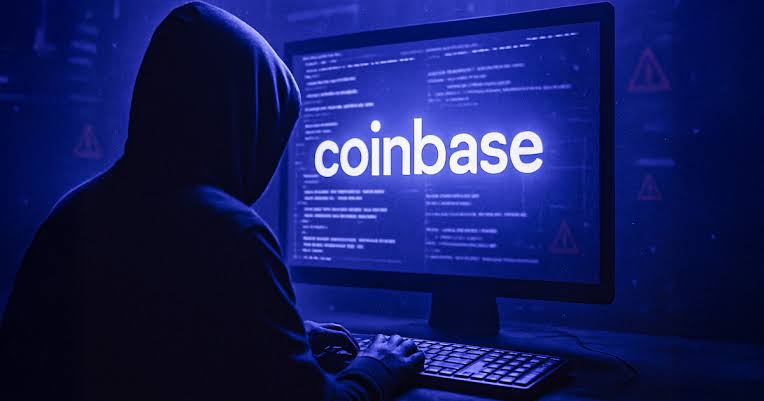
Cybercriminals used an artificial intelligence deepfake video of Elon Musk to target approximately 500,000 viewers in an attempted cryptocurrency scam worth around Rs 42 crore. The fraudsters created a fabricated livestream promoting a fake Tesla flying car demonstration and lured viewers with promises to double their cryptocurrency investments. Hundreds of viewers believed the broadcast was genuine and attempted to transfer funds, but an AI-based security system deployed by cryptocurrency exchange Coinbase intervened in time, blocking roughly 91 percent of the suspicious transactions and preventing losses of about Rs 42 crore.
How the Fake Giveaway Operated
According to Coinbase, the fraudulent scheme unfolded during a livestream lasting roughly two hours. Perpetrators generated an AI video of Elon Musk that closely resembled an authentic corporate broadcast, complete with cryptocurrency wallet addresses and QR codes displayed on screen. Viewers were instructed to send cryptocurrency to the listed wallet addresses with the assurance that double the amount would be returned.
Rather than relying on conventional account hacking, password theft, or stolen login credentials, the operation exploited public trust and the desire for quick financial returns. By leveraging Musk’s public profile and the Tesla brand to establish credibility, the stream attracted more than half a million viewers. Coinbase reported that hundreds of its customers subsequently initiated transfers totaling millions of dollars before the automated safeguards stepped in.
Three-Tier AI Defense System Blocks Transfers
To counter the threat, Coinbase utilized an AI-driven scam prevention agent designed to detect suspicious activity and alert customers prior to transaction completion. At the first level, machine learning models analyzed cryptocurrency transfers in real time, scanning for indicators such as giveaway-linked payments, impersonation of prominent figures or major corporations, and funds directed toward newly created wallet addresses.
At the second level, the AI agent engaged directly with customers initiating flagged transfers, explaining how cryptocurrency giveaway scams operate and outlining the risks of proceeding with the payment. At the third level, every response generated by the AI agent was assigned a confidence score to evaluate the reliability of the system’s assessment. Coinbase noted that the agent identified the scheme without prior training on deepfake product launch giveaways, recognizing common fraud patterns such as promises of doubled returns, artificial urgency around a limited-time event, and irreversible crypto transfers. The system operated from the initial flagged payment through the final attempt without requiring human intervention.
Growing Threat of Deepfake Financial Fraud
The incident reflects a broader rise in deepfake-enabled financial scams involving high-profile figures. Similar AI-generated videos featuring Elon Musk circulated widely online in 2024 to promote fraudulent investment schemes and giveaways, alongside deepfakes impersonating business leaders such as Warren Buffett and Amazon founder Jeff Bezos. Because creating convincing deepfake videos has become increasingly inexpensive and fast, fraudsters can distribute fabricated content across social media and paid advertisements to reach thousands of potential victims within minutes.
Coinbase has expanded its investment in AI research and fraud detection models to identify emerging scam formats. The exchange also warned users never to send cryptocurrency to wallet addresses or QR codes shown in videos, livestreams, or messages, emphasizing that legitimate individuals and organizations never ask for upfront transfers in exchange for doubled returns.