
Follow us on Google News

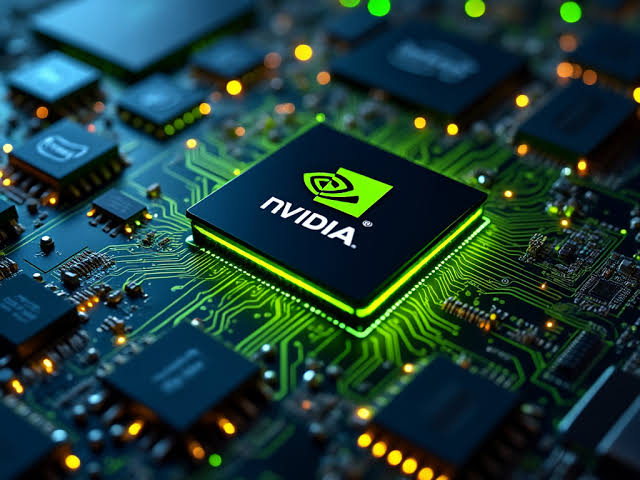
Global chipmaker Nvidia has halted the supply of its artificial intelligence processors to China, raising fresh questions over the future of a special export arrangement between Washington and Beijing. Interim chief executive officer Colette Kress stated that the company currently has no plans to ship US-approved Hopper series data center processors to China. The decision follows a quarter in which Nvidia recorded $2.4 billion in sales of those products to Chinese customers.
During an earnings call on Tuesday, Kress confirmed that Nvidia generated $2.4 billion in revenue from licensed Hopper series data center products in China during the quarter ended October 25. However, the company’s forward financial outlook excludes any projected sales of such products to the country. Kress made clear that Nvidia is no longer shipping licensed Hopper data center products to China, though the company did not specify the reasons behind the pause or whether the move is temporary or permanent. The Hopper lineup includes the H200 processor, a high-performance chip widely sought after by Chinese technology firms to train and run advanced AI models.
Policy Shifts Following Trump-Xi Meeting
The United States first imposed export controls in 2022 to restrict China’s access to advanced semiconductors and AI chips, tightening those measures in subsequent years. Following a meeting last year between US President Donald Trump and Chinese President Xi Jinping, Washington signaled a shift in approach, with Trump indicating that approved Chinese customers would be allowed to purchase H200 chips.
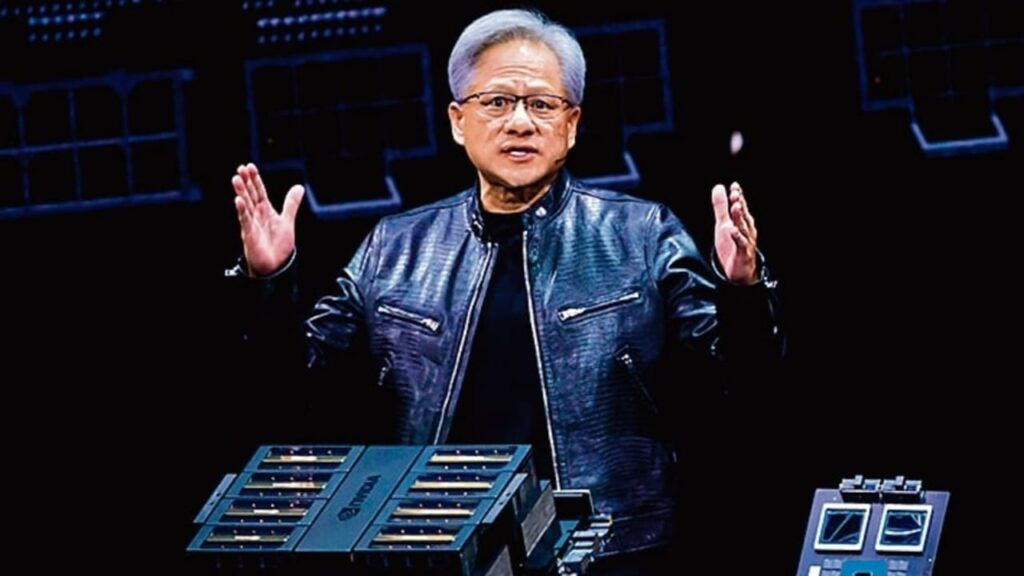
In January, the US administration eased export licensing rules for the H200, introducing a case-by-case review process tied to national security conditions. Prior to that policy change, Nvidia chief executive Jensen Huang had consistently lobbied Washington to relax chip export restrictions. Huang stepped down last week amid allegations concerning extramarital affairs with an alleged Chinese spy and two Nvidia employees, prompting Kress to take over as interim CEO.
Approved Buyers and Chinese Import Curbs
Under the US framework, 10 Chinese companies received clearance to purchase H200 processors, including Alibaba, Tencent, and TikTok parent ByteDance. The chips are manufactured for Nvidia by Taiwan-based contract chipmaker TSMC. As part of the US export terms, chips destined for China were subject to a 25 percent tariff prior to being imported into the United States, a measure designed to secure financial returns for the US government alongside export approvals.
Despite Washington’s clearance, Beijing imposed its own restrictions on H200 imports as part of a broader strategy to strengthen domestic semiconductor manufacturing and reduce reliance on American technology. This left major Chinese internet and AI companies balancing their growing need for high-end computing capacity against state efforts to promote local chip alternatives.
600,000 Processors Held Up in Hong Kong
China’s import curbs have directly affected the movement of Nvidia’s inventory. According to earlier information, approximately 600,000 H200 chips are currently sitting in Hong Kong awaiting clearance to enter mainland China, as Beijing has not approved large-scale imports.
In recent months, several major Chinese internet companies had each acquired around 10,000 H200 processors to expand AI services and train large models. With Nvidia now halting shipments altogether, it remains uncertain how future supplies of advanced American AI hardware to China will proceed, leaving technology firms caught between Washington’s security controls and Beijing’s push for self-reliance.