
Follow us on Google News

Australia has joined India, the United States and seven other countries in signing a new international AI security agreement aimed at protecting critical infrastructure, sensitive technologies and global supply chains. The agreement seeks to address emerging security threats and reduce dependence on concentrated supply chains for semiconductors, critical minerals and advanced computing technologies.
Known as the San Francisco Declaration on the Secure Foundations of Enduring Prosperity, the agreement was signed on November 15, 2026, under the US-led Pax Silica initiative.
What Is the AI Security Agreement?
The ten countries participating in the agreement are India, Australia, the United States, Israel, Japan, South Korea, Qatar, Singapore, the United Arab Emirates and the United Kingdom.
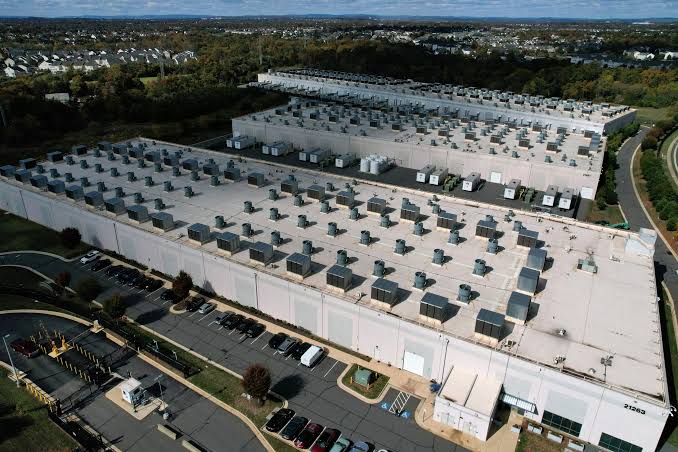
The declaration establishes a framework for international cooperation to secure technologies and infrastructure required for the development and deployment of advanced AI systems. It covers semiconductor manufacturing, critical minerals, specialised materials, data centres, energy systems, telecommunications and transport networks.
The agreement recognises that disruptions to critical technology supply chains could have serious consequences for economic activities, defence capabilities and essential services. It also identifies the theft and unauthorised transfer of sensitive technologies as potential threats to national and economic security.
The declaration forms part of Pax Silica, an initiative launched by the United States in December 2025. While the programme initially focused on semiconductors, critical minerals and advanced computing, its scope has expanded to include infrastructure supporting the wider AI economy.
How Will the Agreement Strengthen AI Security?
The agreement identifies five major areas of cooperation, including policies supporting technological innovation, adoption of advanced AI technologies, supply chain coordination, secure investment and infrastructure development, and AI security and resilience.
Dedicated working groups will be established to identify security vulnerabilities, develop joint projects and encourage investment in critical technologies and infrastructure.
The framework also seeks to expand the understanding of AI security beyond software vulnerabilities and the safety of AI models. It emphasises the protection of physical and digital infrastructure supporting advanced computing, including energy facilities, ports and communication networks.
Unauthorised access, interference with supply chains, hostile control of infrastructure and exposure of sensitive information have been identified as major security concerns.
Participating countries will also work towards diversifying technology supply chains to reduce excessive dependence on individual countries and concentrated production facilities.
Why Is the Agreement Significant for India?
India’s participation places it among ten countries seeking closer cooperation in advanced computing, artificial intelligence, semiconductor supply chains and critical infrastructure security.
The agreement comes amid growing international competition over access to advanced computing technologies and the resources required to manufacture them. China holds a dominant position in the processing of several critical minerals, while American technology companies play a leading role in advanced AI processor design and model development.
However, the declaration does not explicitly identify China as its target.
The agreement currently provides a framework for cooperation rather than a detailed implementation plan. Its practical impact will depend on projects, investments and policies developed through the proposed working groups.
As artificial intelligence becomes increasingly integrated into industries, defence systems and essential services, the protection of technologies and infrastructure supporting these systems is emerging as an important area of international security cooperation.
About the author — Ayesha Aayat writes on cybercrime, digital safety, and emerging online threats. Her work focuses on public awareness, legal clarity, and technology-driven risks.