
Follow us on Google News

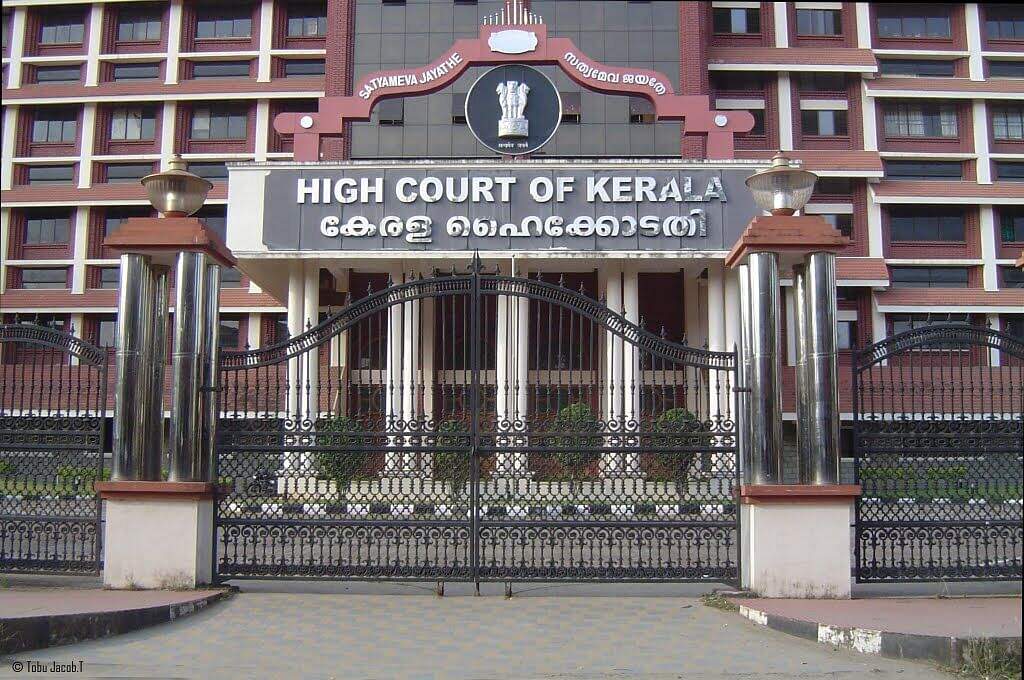
Kochi: The Kerala High Court has stated that the police are fully empowered to take every necessary measure to curb the abuse of narcotics and psychotropic substances in the state. Clarifying that an earlier order by a single bench should not be construed as an obstacle to police surveillance and vigilance, the court affirmed the authority of law enforcement to monitor drug-related activities and act in accordance with the law.
A division bench comprising Justice Devan Ramachandran and Justice Basant Balaji made these observations while hearing an appeal filed by the state government. The dispute stems from restrictions imposed by the city police on DJ parties and other events at Radisson Blu, a five-star hotel in Kochi. After the hotel challenged the police notices imposing these curbs, a single bench had quashed the directives, prompting the state government to move the division bench in appeal.
Strict Regulation Over Blanket Bans
During the hearing, the division bench clarified that the single bench’s order does not mean the police cannot keep a watch on drug consumption or related activities. The judges emphasized that maintaining law and order and preventing illegal narcotics activities remain core police responsibilities, requiring constant vigilance.
At the same time, the court observed that imposing an outright ban is not always the best solution in every situation. Instead, effective control can often be achieved through strict regulation and robust monitoring, striking a balance between prohibiting activities and regulating them. However, the bench noted that this observation should not be interpreted as any curtailment of the statutory powers of the police. Highlighting the role of law enforcement in maintaining social order, the court added that the police should be viewed as allies in citizens’ daily lives rather than adversaries, urging agencies to discharge their duties while fostering public trust and cooperation.
State Cites Unregulated Parties; Hotel Assures Screening
Representing the state government, Additional Advocate General Mohamed Shah submitted that the police notices were never intended to stop hotels from operating bars until 3 am. He explained that police objections were directed specifically at unregulated parties where drugs and narcotics were allegedly being used, noting that complaints had surfaced regarding the open consumption of such substances at certain events.
Appearing for Hotel Radisson Blu, Advocate Anand Kalyanakrishnan contended that the management assumes complete responsibility for parties and events hosted on its premises. He assured the court that the hotel carefully screens every guest to ensure no one carries drugs or banned substances, maintaining that adequate security and monitoring arrangements are put in place during events.
Court Sets November 16 for Detailed Hearing
The core legal issue before the court involves determining the extent to which police can issue restrictive directives against hotel events based on apprehensions of drug use, alongside defining the accountability of hotel managements. While the government maintains that its goal is to regulate suspicious events rather than disrupt legitimate business or bar operations, the hotel has asserted that its internal screening protocols are sufficient.
The division bench scheduled the matter for a detailed hearing on November 16 to further examine police powers, hotel management responsibilities, and event regulation frameworks. The court’s remarks come amid heightened anti-drug enforcement drives in Kerala aimed at curbing substance abuse at public gatherings.