
Follow us on Google News

Hyderabad: The Telangana State Women’s Commission has intensified its investigation into an alleged illegal oocyte (egg) trade in Hyderabad by issuing notices to eight Assisted Reproductive Technology (ART) centers and egg banks. Suspecting irregularities in donor records and egg retrieval procedures, the commission summoned the management of the concerned institutions after preliminary scrutiny of their documents revealed suspicious entries. The commission stated that any illegal activity compromising the health, dignity, and rights of women will not be tolerated.
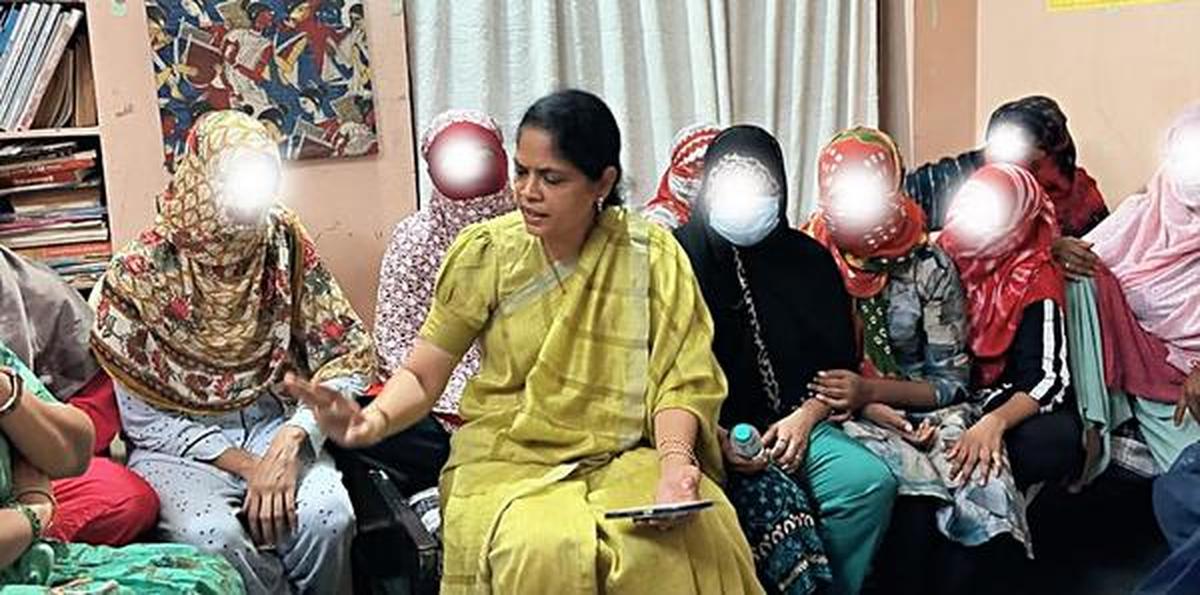
Commission Chairperson Nerella Sharada questioned representatives of the eight institutions on Friday, November 13. Although the commission had earlier instructed the senior management of these centers to appear in person, several sent staff members and other representatives instead. Expressing dissatisfaction over the absence of top officials, the chairperson adjourned the hearing after the institutions assured that their senior management would attend the next session.
Discrepancies Found in Donor Records
During the hearing, the commission examined reports, documents, and details of egg donors submitted by the ART centers and egg banks. According to Chairperson Nerella Sharada, scrutiny of the available records brought several irregularities and questionable details to light. The commission questioned the institutions regarding donor identities, their places of residence, the egg donation procedures, and whether any payments were made in exchange.
In their defense, the institutions claimed that nearly 90 percent of their egg donors come from other states and donate voluntarily without receiving any financial payment or compensation. The chairperson questioned this assertion, noting that women traveling from other states in such large numbers to donate eggs without financial benefit raises serious doubts. She stated that a detailed investigation is necessary to establish the facts, including whether rules governing donor identity and consent were followed, or if women were lured or coerced into donating. However, officials noted that no institution or individual can be deemed guilty until the investigation into these aspects is concluded.
Health Department Probe Reviewed
Commissioner of Health and Family Welfare Sangeeta Satyanarayana also participated in the hearing. The Women’s Commission chairperson sought an update on the health department’s ongoing investigation into the alleged illegal collection and purchase of human eggs. The meeting also involved discussions on the provisions of the Assisted Reproductive Technology law and the gaps observed in its implementation.
Officials deliberated on practical challenges related to monitoring and regulating ART centers and egg banks, acknowledging that reforms may be required to ensure effective oversight. Nerella Sharada announced that she will soon meet Health Minister C. Damodar Raja Narasimha and Chief Minister A. Revanth Reddy to discuss the findings of the inquiry and measures to strengthen the regulatory framework, including proposing legal amendments if necessary.
Probe Likely to Widen to More Centers
The commission has also received inputs indicating the possible involvement of additional ART centers and egg banks in the alleged racket. Notices may soon be issued to the management of these institutions for questioning, potentially expanding the scope of the inquiry beyond the current eight centers. Earlier, inspections were conducted at 27 ART centers and notices were issued to seven hospitals in Telangana in connection with alleged illegal egg collection.
The episode has raised broader concerns regarding egg donation protocols, women’s consent, donor documentation, and the monitoring of financial transactions at fertility clinics. The chairperson stated that the investigation will proceed in coordination with relevant government departments to identify those responsible for irregularities and initiate legal action once the facts are established.