
Follow us on Google News

Indian Railways Considers Ending Decades-Old RAC System Over Full-Fare Concerns
New Delhi: Indian Railways is considering ending or significantly modifying its decades-old Reservation Against Cancellation (RAC) system, under which two passengers are permitted to share a single berth. Despite not receiving a full berth for their journey, passengers under this category are charged the full ticket fare. The issue gained prominence after the Public Accounts Committee (PAC) of Parliament raised questions regarding the fairness of this practice. Discussions are now underway to review the existing reservation framework in light of passenger convenience and the space provided relative to the fare paid.
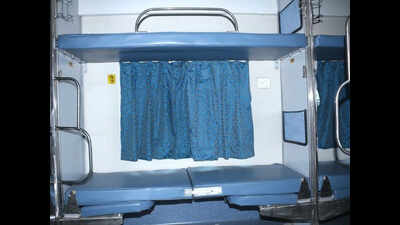
RAC is a long-standing component of the Indian Railways reservation system. It provides travel opportunities to waitlisted passengers when confirmed berths are unavailable. Passengers holding RAC tickets are permitted to board and travel on trains, though they must initially share a berth rather than occupying a full one. Typically, two RAC passengers are accommodated on a single side lower berth. If another passenger cancels their ticket before or during the journey and a berth becomes vacant, RAC ticket holders stand a chance of being upgraded to a full berth.
PAC Raised Questions Over Full Fares
In a report tabled in Parliament in February this year, the Public Accounts Committee expressed concern over the RAC arrangement. The committee stated that charging full fares to passengers who are not provided a full berth during their journey is unjustified. The report highlighted the discrepancy between the inconvenience faced by passengers and the facilities offered in return for the fare paid.
Following the committee’s observations, discussions regarding potential reforms to the railway reservation system have intensified. Any modification to the RAC system would directly impact passengers who rely on this option to travel on busy routes when confirmed tickets are unavailable. However, Indian Railways has not yet issued an official confirmation regarding a final decision or an implementation date for discontinuing the facility. For now, the matter remains a proposal under consideration based on media reports.
System Introduced in the 1980s
Indian Railways introduced the RAC system in the 1980s with the objective of allowing waitlisted passengers to at least travel in a seated position. At the time, the mechanism was implemented to accommodate more travelers amid limited seat and berth availability. It allowed passengers who could not secure confirmed tickets on the general waiting list to board trains and complete their journeys.
There is a key distinction between an RAC ticket and a waitlisted ticket. An RAC ticket grants the passenger the right to travel on the train, whereas travel rules for fully waitlisted tickets vary depending on reservation status and ticket category. While RAC passengers must share a seat initially, they retain the possibility of receiving a full berth if cancellations occur.
Changes Will Directly Impact Passengers
If the RAC system is discontinued, Indian Railways will need to determine alternative travel options for passengers when confirmed berths are unavailable. Removing the shared-berth arrangement could require a new policy framework for seat allocation, ticket issuance, and fare pricing for waitlisted travelers. Such a shift could affect ticket demand and availability, particularly during festivals, summer holidays, and on high-traffic long-distance routes.
Alternatively, if the railways opts to revise fare structures or seat allocation rules instead of scrapping RAC entirely, a better balance could be struck between passenger comfort and ticket pricing. Options such as differential pricing for shared berths or amended reservation rules based on seat availability could be explored, though no official details have been announced. As Indian Railways weighs passenger convenience against optimal berth utilization, travelers await an official announcement on the future of the RAC facility.