
Follow us on Google News

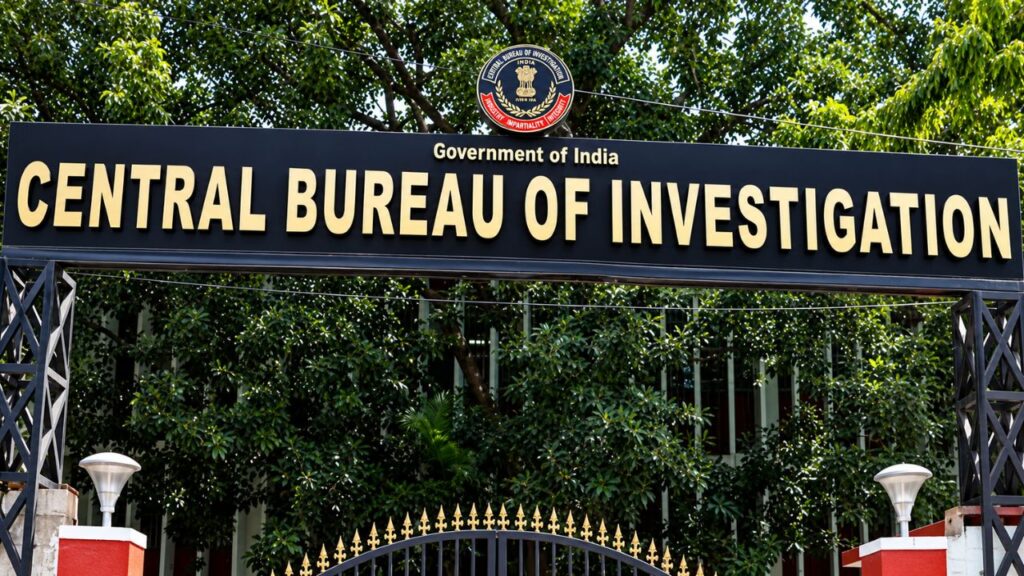
The Central Bureau of Investigation (CBI) has trained 24 law enforcement officers from 16 countries in anti-corruption investigations and asset recovery during a week-long programme at its academy in Ghaziabad.
The training programme was conducted from November 4 to 10, 2026, under the Indian Technical and Economic Cooperation (ITEC) programme of the Ministry of External Affairs. It focused on strengthening the investigative capabilities of international law enforcement personnel in handling corruption cases, tracing financial assets and recovering proceeds of crime.
The programme concluded on November 10 with a validation ceremony presided over by Shri N Venu Gopal, Special Director, CBI. The agency outlined the details of the training in a press release issued on November 11.
Which Countries Were Represented In The Training?
A total of 24 officers from 16 countries participated in the programme. The participating nations included Botswana, Lebanon, Mali, Mauritius, Nigeria, Tanzania, Zimbabwe, Ethiopia, Ghana, Iraq, Madagascar, Maldives, Myanmar, Namibia, Panama and Paraguay.
Botswana, Lebanon, Mali, Mauritius, Nigeria, Tanzania and Zimbabwe sent three officers each, while Ethiopia, Ghana, Iraq, Madagascar, Maldives, Myanmar, Namibia, Panama and Paraguay were represented by one officer each. The delegations brought together personnel from different national law enforcement and investigation agencies.
The group comprised 11 female officers and 13 male officers. All participants were associated with law enforcement and investigation fields and attended the course to study different aspects of anti-corruption investigations and asset recovery.
FCRF Launches CP-FRM to Build India’s Next Generation of Fraud Risk Professionals
What Were The Main Subjects Covered?
The training curriculum covered legal frameworks, investigative procedures and financial aspects of corruption-related cases. Participants studied the anti-corruption legal framework under the United Nations Convention against Corruption, along with relevant provisions of Indian law.
Identification and collection of digital evidence formed another important part of the programme. The sessions also addressed the detection of cryptocurrency investments during investigations and methods used to identify financial money trails.
Other subjects included the identification of benami and shell network assets, litigation support and evidentiary backing. Participants were also introduced to issues concerning the recovery of proceeds of crime, civil and criminal asset forfeiture, and related investigative requirements.
The range of subjects covered different stages of corruption investigations, including evidence collection, financial tracking, asset identification and support for legal proceedings. Asset recovery remained a central component of the course alongside the investigation of anti-corruption cases.
Which CBI Facilities Did Participants Visit?
As part of the programme, the visiting officers toured the Network for Evidence Tracing, Research and Analysis (NETRA) Laboratory and the Global Operations Centre at CBI Headquarters.
The visits formed part of the practical exposure provided during the course. The facilities were included in the programme alongside classroom sessions dealing with digital evidence, financial investigations, evidence tracing and asset identification.
The interaction with these investigative facilities complemented the academic component of the training, giving participants an opportunity to observe the research, analysis and operational aspects associated with the work covered during the programme.
What Other Activities Were Organised During The Course?
An educational trip was also arranged for the participating officers during the week-long programme. The visitors toured places of historical importance in Delhi as part of the additional activities organised alongside the training sessions.
The programme formally concluded on November 10 with the validation ceremony presided over by Special Director N Venu Gopal. The CBI’s press release, dated November 11, detailed the participation of officers from 16 countries and outlined the subjects addressed during the course.
The week-long programme brought together 24 law enforcement and investigation officers for training in anti-corruption legal frameworks, digital evidence collection, financial investigations and asset recovery. Its curriculum combined legal and investigative subjects with visits to facilities at CBI Headquarters.