
Follow us on Google News

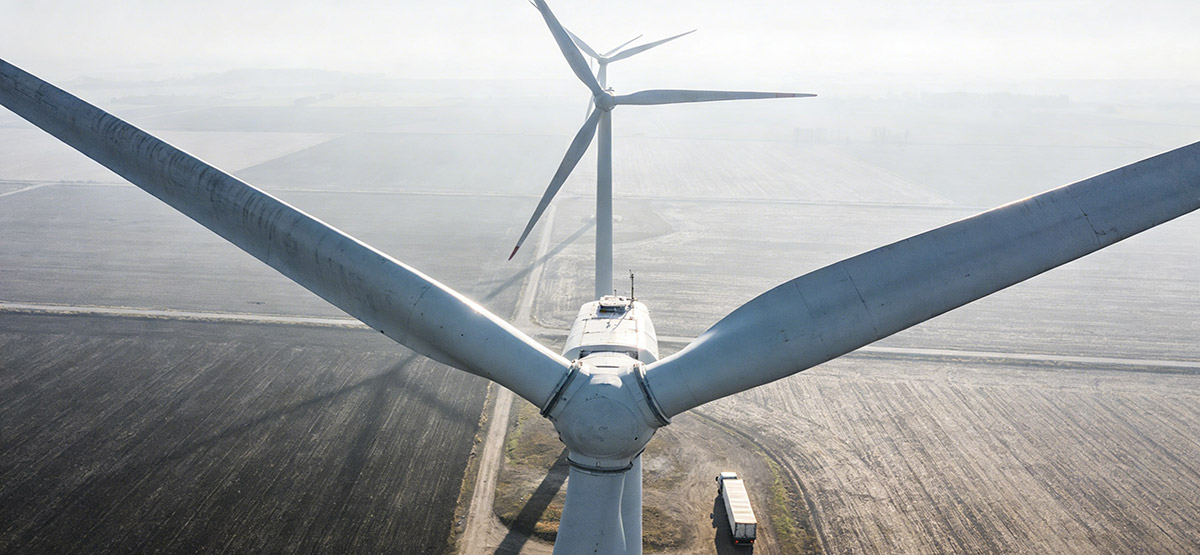
Grasim Industries and Suzlon Energy have partnered to develop India’s first wind turbines equipped with recyclable blades.
The companies have signed a memorandum of understanding (MoU) to develop, commercialise and scale wind turbines using recyclable blade technology. The agreement brings together Grasim’s Advanced Materials Division, Suzlon’s turbine manufacturing capabilities and Aditya Birla Renewables Limited (ABRen) to address waste management challenges in India’s wind energy sector.
What Does the Partnership Involve?
Under the agreement, Grasim will supply wind turbine blades manufactured using its Recyclamine epoxy technology, while Suzlon will integrate the technology into its turbine manufacturing process as the original equipment manufacturer.
Aditya Birla Renewables, Grasim’s renewable energy subsidiary, will support the initiative by deploying a pilot turbine at a selected project site. The installation will help assess the technology’s commercial viability under operating conditions before the companies consider wider adoption.
The agreement was signed at the Bharat Renewable Energy Summit and Expo 2026. Each company will contribute to a different stage of the initiative, covering blade materials, turbine manufacturing and project deployment.
https://the420.in/fcrf-certified-chief-ai-officer-second-cohort-november-2026/
How Will Recyclable Blade Technology Work?
Grasim’s Recyclamine epoxy technology is designed to enable chemical recycling of wind turbine blades after they reach the end of their operational life. The process allows valuable composite materials to be recovered and potentially reused in other applications.
Conventional wind turbine blades are largely manufactured using thermoset composite materials, which are difficult to recycle once their service life ends. Their disposal remains a significant waste management challenge for the wind energy industry.
The proposed technology aims to reduce the volume of discarded blade materials by creating opportunities for material recovery and reuse. This would allow components from retired turbines to be treated as recoverable resources rather than conventional waste.
How Will the Pilot Project Be Implemented?
Suzlon will incorporate Recyclamine technology into its turbine manufacturing process, while Aditya Birla Renewables will install a turbine equipped with recyclable blades at a selected project location.
The pilot installation will allow the companies to demonstrate the technology under actual operating conditions and evaluate its suitability for future commercial applications. The initial phase will focus on development and demonstration before broader deployment is considered.
Following the pilot, the partners will explore opportunities to introduce recyclable-blade turbines across India and other mutually agreed markets. The announcement did not specify the investment involved, the capacity or location of the initial turbine installation, or a timeline for commercial-scale deployment.
Why Is the Initiative Important for Wind Energy?
The partnership comes as the wind energy industry faces increasing scrutiny over the environmental impact of equipment throughout its lifecycle. Although wind turbines generate renewable electricity, disposing of large composite blades after their useful life remains a challenge. Recyclable blade technology could help address this problem by reducing disposal requirements and enabling the recovery of materials for other applications. Its wider use would depend on the results of the pilot project and subsequent commercial assessments.
For Grasim, the collaboration provides an opportunity to apply its advanced materials technology in renewable energy equipment. Suzlon will assess the integration of recyclable materials into its turbine portfolio, while Aditya Birla Renewables will provide the operational setting needed to demonstrate the technology.
The companies intend to evaluate opportunities for broader commercial adoption after the pilot initiative. The proposed approach combines materials innovation, manufacturing and renewable energy deployment to examine whether recyclable turbine blades can become a practical alternative to conventional composite blades.