
Follow us on Google News

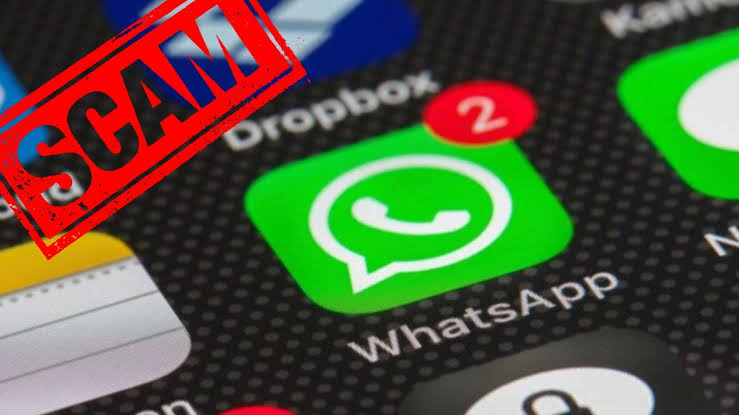
Hyderabad Police Commissioner V C Sajjanar has warned citizens against fraudulent WhatsApp messages claiming that digital payment platform Paytm is distributing ₹1,000 to everyone as a Diwali gift.
The messages, circulating on WhatsApp and other social media platforms, encourage recipients to click suspicious links to claim the supposed reward. Police say cybercriminals are exploiting the festive season to make such offers appear attractive and believable.
The warning issued on Saturday, 7 November, highlights how fraudsters are using familiar payment brands and fabricated success stories to persuade people to visit potentially dangerous websites. Authorities have urged users to verify offers through official channels before taking any action.
FCRF’s Chief AI Officer Certification Returns on November 14 to Prepare Future AI Leaders
How The Fake ₹1,000 Diwali Offer Works
The fraudulent messages claim that Paytm is giving away ₹1,000 in cash as a festive reward. Recipients are encouraged to click a link immediately to collect the supposed gift.
To strengthen the deception, scammers are also circulating messages suggesting that other people have already received the money. These claims are designed to make an unfamiliar offer appear genuine.
The approach relies on a simple psychological trick. When someone appears to have successfully claimed a reward, other recipients may become less cautious about following the same instructions.
Fraudsters also benefit when people forward such messages to friends and family. A suspicious link received from a familiar contact may appear more trustworthy than one sent by a stranger.
However, receiving a message from someone you know does not establish that the offer is genuine. The sender may have forwarded it without checking, believing it to be a legitimate promotion.
Sajjanar cautioned citizens against opening suspicious links or providing banking credentials, passwords, ATM PINs and one-time passwords through unverified websites.
He also advised people to check promotional offers directly through Paytm’s official website or authorised communication channels.
Why Festival Offers Have Become A Cybercrime Tool
The latest warning follows similar alerts involving fraudulent reward messages circulated during major Indian festivals and public holidays.
In January 2026, the Hyderabad Police Commissioner warned against fake ₹5,000 offers circulated under the names of digital payment platforms during Sankranti and Republic Day celebrations.
Those messages also relied on claims that other users had successfully received money. Police warned that suspicious links could expose recipients to attempts to steal their personal or financial information.
More recently, Meerut Police issued a warning about fraudulent Diwali gift offers, including fake prize notifications and links designed to collect banking information.
The warnings demonstrate how criminals adapt familiar methods to different occasions. The promised reward, payment platform and festival may change, but the attempt to persuade people to trust an unverified message remains similar.
Importantly, the Hyderabad warning does not establish that Paytm’s systems have been compromised. The suspected fraud involves criminals misusing the company’s name to make messages appear legitimate.
No specific financial losses linked to this ₹1,000 campaign have been confirmed publicly.
What Is Phishing And How Can A Fake Link Steal Money?
The technique used in many fraudulent reward campaigns is known as phishing.
Phishing happens when criminals impersonate a trusted organisation to trick people into revealing confidential information. They may create websites resembling genuine banking, shopping or payment platforms.
For example, a fake gift website may ask visitors to enter their mobile number, banking information or one-time password before receiving a supposed reward.
The information can then be misused to attempt unauthorised access or transactions. Some fraudulent campaigns may also direct users towards malicious applications, although that has not been independently established for the specific links in this warning.
Simply receiving a fraudulent message does not mean a person’s bank account has been compromised. The danger increases when users follow unsafe instructions, disclose sensitive information or authorise transactions they do not understand.
Paytm’s own security guidance warns customers against sharing OTPs or UPI PINs. It also advises users to avoid suspicious promotional links and access support through official channels.
A useful distinction is that receiving money through UPI does not require entering a UPI PIN. If a supposed cashback or gift offer asks users to approve a payment using their PIN, they should treat it as a warning sign.
Police have urged recipients to avoid forwarding unverified Diwali promotions and to report suspected fraud promptly.
What this means for you
If you receive a WhatsApp message promising ₹1,000 from Paytm, do not click the link or forward it. Check offers directly through the official Paytm app, and report suspected fraud through 1930 or cybercrime.gov.in