
Follow us on Google News

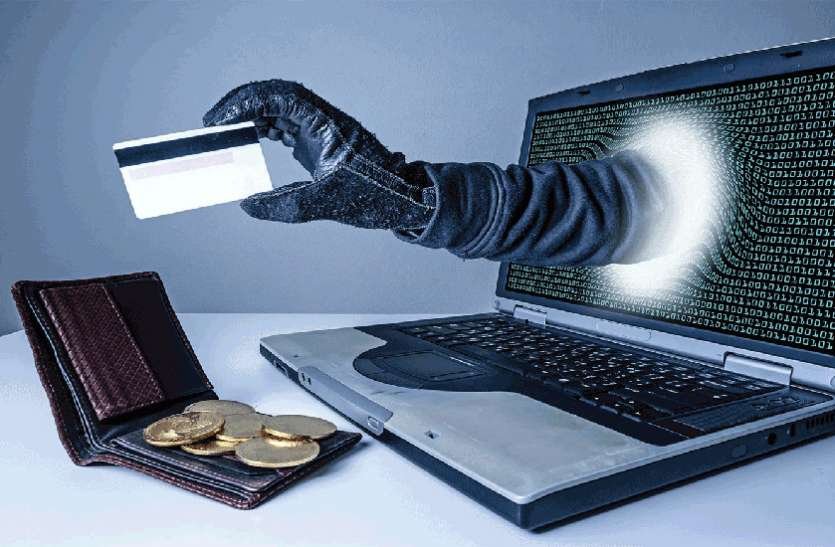
Hong Kong’s banks have rolled out a new tool to fight the surge in financial scams — special bank accounts that can only be accessed in person.
Called “Money Safe” accounts by the Hong Kong Monetary Authority (HKMA), the scheme is designed to protect residents from fraudsters who trick victims into draining their savings, or open internet banking profiles without their consent.
HKMA chief executive Eddie Yue first outlined the concept in late 2024, warning of “the surge in fraud and scam cases in recent years, with customer losses typically involving payments from customers’ bank accounts.” The Authority subsequently directed every licensed bank to introduce an option allowing customers to ring-fence a portion of their deposits — money that cannot be touched unless the account holder appears at a branch.
For branch-less digital banks, the rule is similar: customers must visit designated offices for identity checks and manual clearance.
https://the420.in/fcrf-certified-grc-professional-program-governance-risk-compliance-training-india/
How ‘Money Safe’ works
A government notice released this week explains the process in simple terms: when customers want to access protected deposits, banks will conduct a face-to-face anti-scam verification, asking questions meant to ensure they are not being coerced or misled. Only after the conversation and checks conclude can the customer withdraw or transfer funds.
Officials say the pause is intentional — the moment gives potential victims time to think, ask questions, and reconsider suspicious instructions they may have received over phone calls, messaging apps, or social media.
Banks were given until December 31 to implement Money Safe functionality. Authorities say all have complied. Some institutions went further, adding in-app tools to create and manage protected accounts and promoting the feature as a competitive advantage.
The Hong Kong government will now promote Money Safe through public-awareness campaigns and is urging residents to place any cash they do not plan to spend soon into these safeguarded pockets.
A financial hub under pressure
Financial services generate roughly a quarter of Hong Kong’s GDP, and the territory plays a pivotal role as a gateway for global trade with mainland China. Protecting banks — and public trust in them — is therefore a strategic priority.
It’s also clear the threat is relentless. Editors at The Register note that of all Asian government newsfeeds they follow, Hong Kong’s is the only one that regularly issues warnings about cyberattacks on banks, phishing schemes, or look-alike websites. Rarely does a day pass without a new alert.
Money Safe does not eliminate hacking or fraud — but it may blunt some of the most damaging schemes, particularly those where victims are manipulated into moving money themselves.
Will this be enough?
Critics may ask whether scammers will simply adapt — pushing victims to branches or inventing new tactics. Authorities counter that every hurdle matters: slowing transactions, adding human review, and making fraudsters’ jobs harder reduces overall losses.
Banks, meanwhile, must ensure the new layers do not become frustrating obstacles for legitimate customers — especially seniors or those with mobility challenges. HKMA says accessibility and clear communication will be central to the rollout.
For now, Money Safe represents a pragmatic compromise: digital convenience for everyday banking, paired with a physical checkpoint for life savings.
In a city where warnings about cybercrime arrive with metronomic regularity, giving residents one extra chance to pause — and possibly refuse — could prove invaluable.
Money Safe may not end scams. But it may ensure fewer people lose everything when scammers come calling